
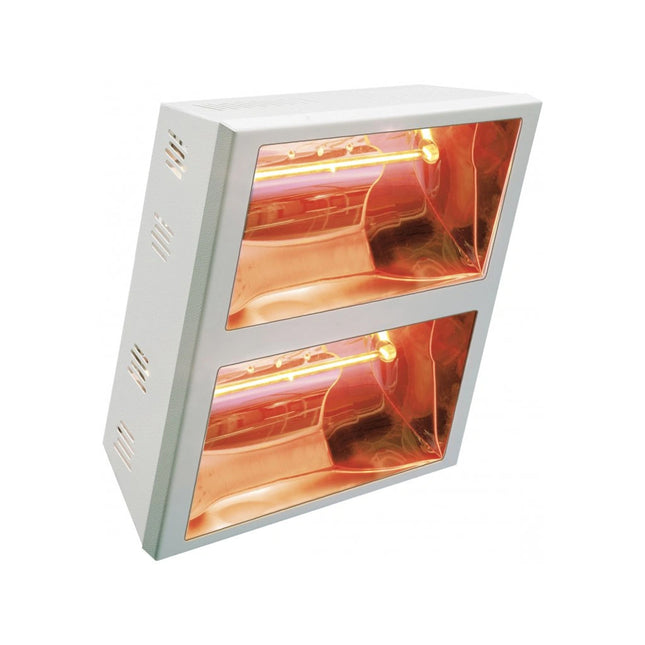

Infrared heating in the distribution center for continuity and low energy costs
With infrared heating in the distribution center, you choose an efficient solution that is perfectly suited to high-turnover logistics environments. Distribution centers are characterized by large halls, intensive goods flows, and frequent door openings. Traditional heating systems struggle to provide comfort under these conditions without consuming excessive energy. Infrared heating works in a targeted manner and provides direct radiant heat at working height, allowing employees to work comfortably without the need to constantly heat the entire air mass.
Why heating in distribution centers presents specific challenges
In a distribution center, occupancy is constantly fluctuating, and doors are often open for loading and unloading. Convection heating loses a lot of heat in this situation because heated air escapes immediately. Moreover, warm air rises to the ceiling, while the work floor remains cold. Infrared heating is independent of airflows and remains effective, even with constant ventilation and temperature fluctuations. This makes infrared ideal for dynamic logistics environments.
How infrared heating works within logistics processes
Infrared panels emit radiant heat that is directly absorbed by floors, shelves, workstations, and people. In a distribution center, this means that work areas around picking locations and packaging lines retain heat and release it gradually. The heat is noticeable almost immediately after switching on, which is ideal for shifts and fluctuating workloads. This creates a stable perceived temperature without long warm-up times.
Suitable infrared solutions for distribution centers
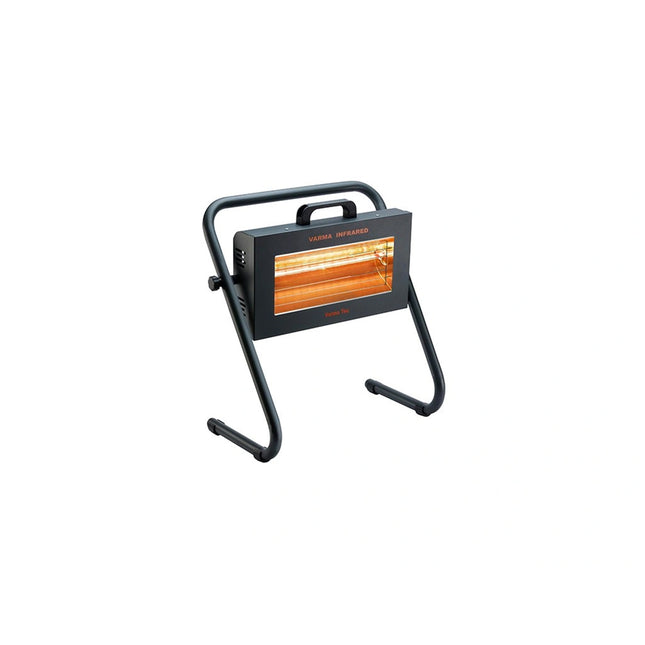
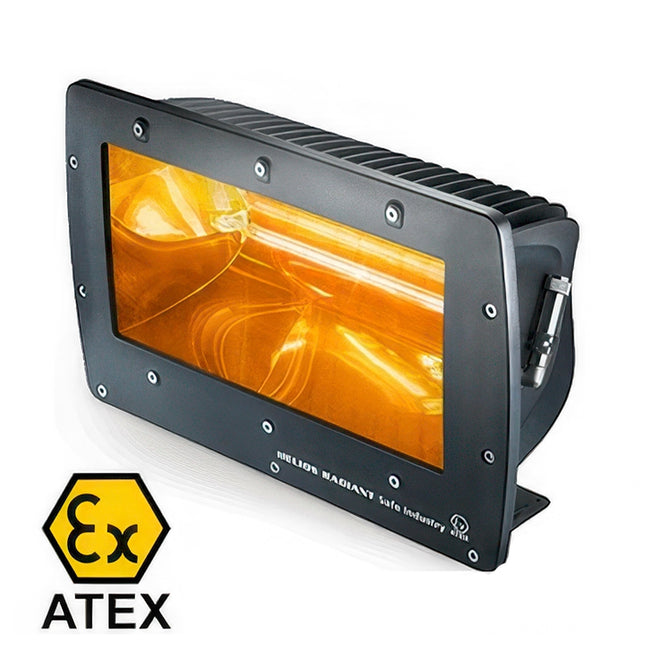
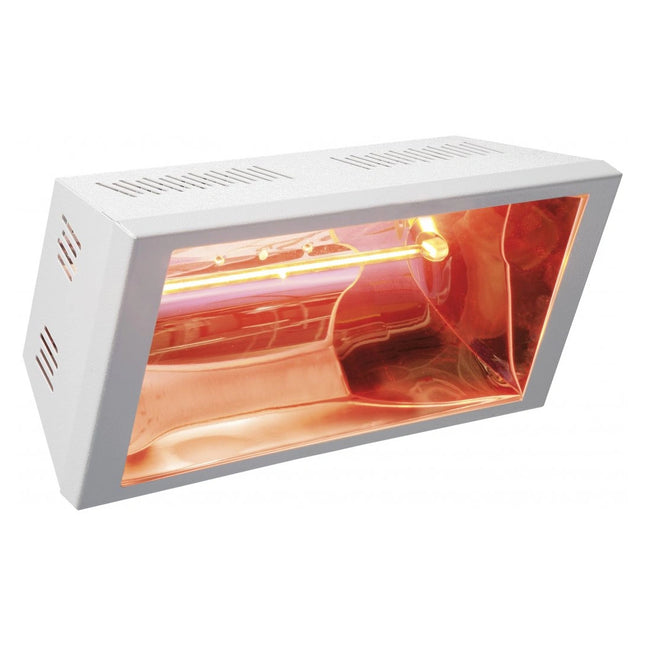
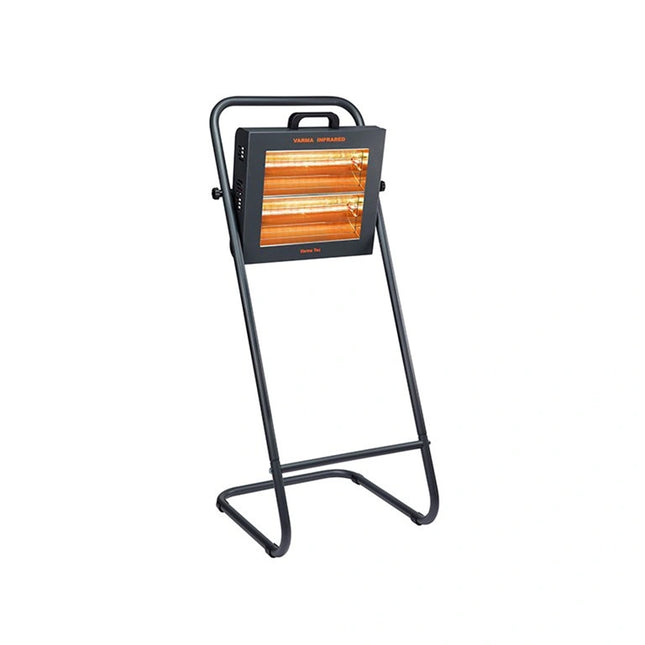
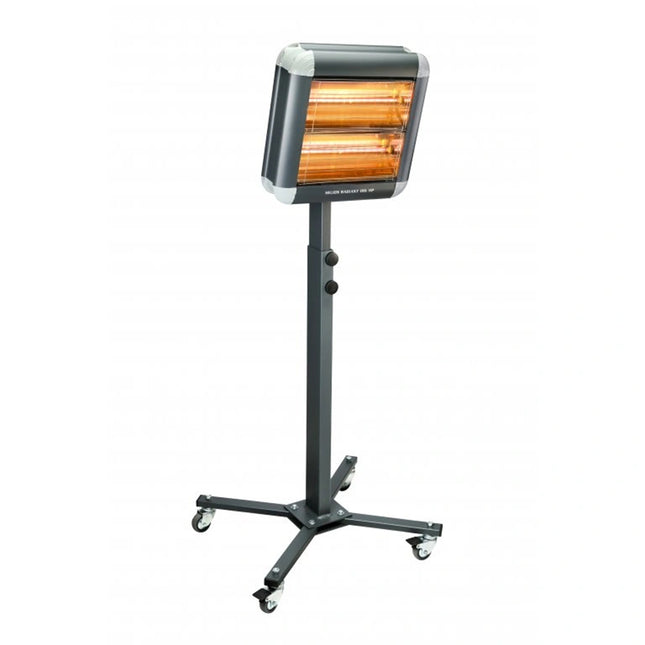
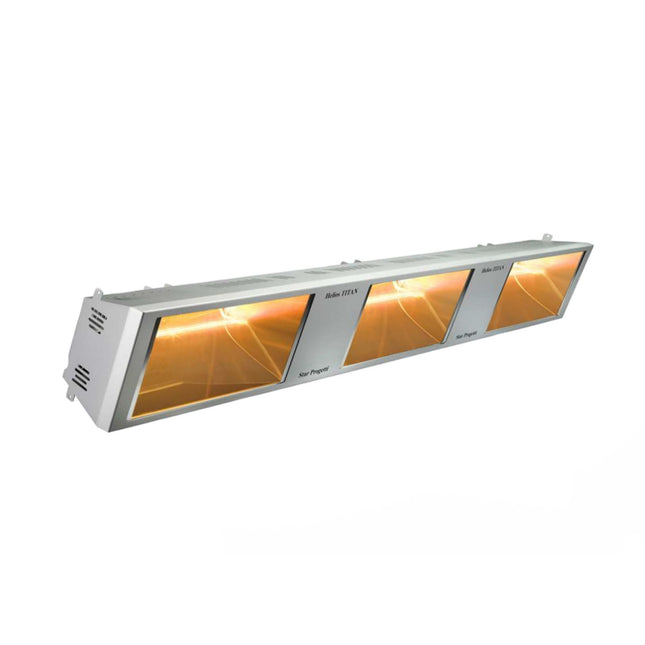
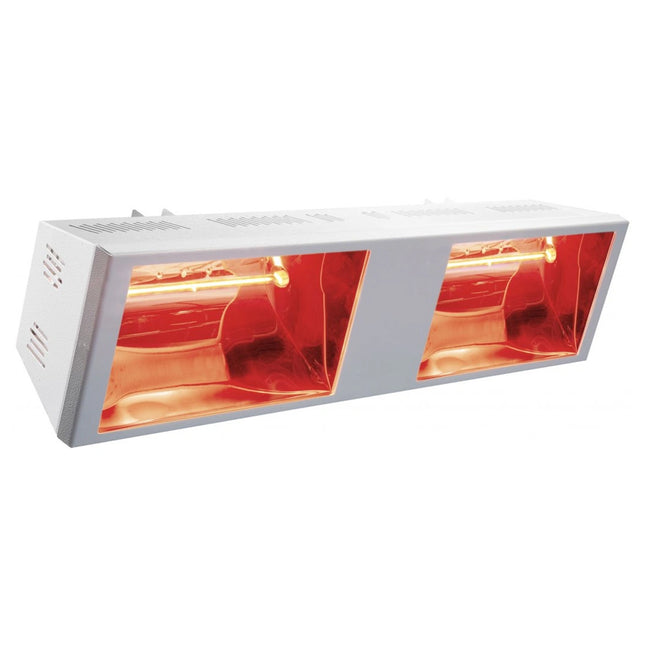
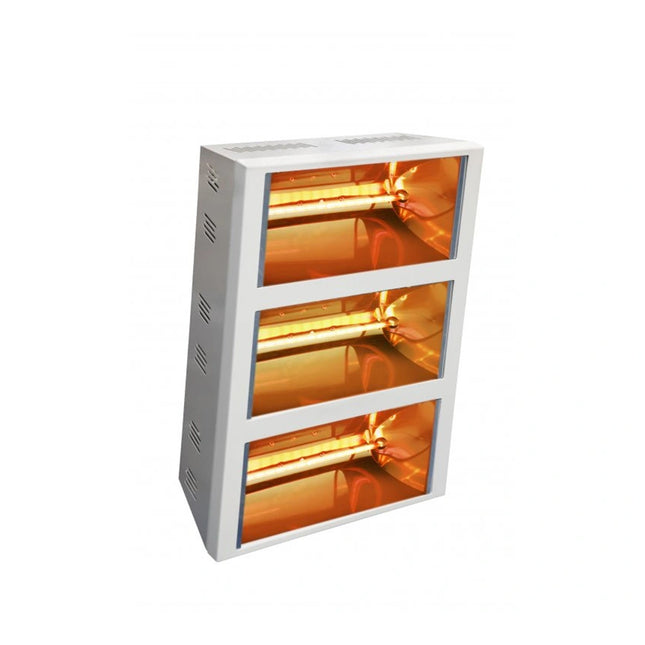
The layout of a distribution center requires targeted solutions. High-ceilinged logistics halls often use ceiling solutions to effectively heat large areas. An infrared panel on the ceiling above picking zones or sorting lines provides direct heat without disrupting the logistics process. For fixed workstations along walls, a wall panel provide additional comfort. In seasonal zones or temporary setups, portable infrared heating be deployed flexibly.
Zone heating for maximum efficiency
In distribution centers, infrared heating is almost always used as zone heating. Only the zones where employees are active are heated. Storage zones and transport aisles where no one is present remain unheated. This results in significant energy savings compared to traditional systems. In distribution centers that work in conjunction with other logistics spaces, such as a storage hall or an adjacent warehouse, infrared can easily be integrated into a single heating strategy.
Comfort and productivity on the logistics work floor
A comfortable temperature is essential for productivity and safety. In cold conditions, physical complaints increase and concentration decreases. Infrared heating provides pleasant warmth at working height without drafts or noise. Because the air isn't actively moved, dust is better controlled. This is beneficial in distribution centers where speed, accuracy, and order are paramount.
Main heating or support in distribution centers
Depending on the level of insulation, infrared heating can serve as the primary heating source or as a supplementary solution. In modern, well-insulated distribution centers, infrared can meet all heating needs. In older buildings, infrared is often used to provide comfort in workspaces while minimizing primary heating. This flexibility makes infrared suitable for a wide range of logistics scenarios.
Capacity and dimensions tailored to logistical use
Determining the correct capacity is crucial for an effective infrared solution in a distribution center. Factors such as ceiling height, open doors, floor area, and staff density play a role in this. Warmteshop always prepares a customized heat calculation to determine the optimal capacity and the correct placement of panels. For additional insights into yield and efficiency, the article comparing infrared heating provide extra background.
Control of moisture and indoor climate
Distribution centers often experience temperature differences between indoors and outdoors, which can cause condensation. Infrared heating helps keep surfaces dry by directly heating floors and walls. This limits moisture problems and reduces the risk of damage to packaging or stored goods. The even radiant heat contributes to a stable and manageable indoor climate.
Infrared heating and energy policy
In European energy publications, electric radiant heating is mentioned as an efficient solution for large buildings with variable occupancy. Information platforms such as energy.ec.europa.eu explain how targeted heating and zone heating can reduce energy consumption. For distribution centers, infrared therefore aligns perfectly with sustainability objectives and cost control.
Why logistics companies choose Warmteshop
Warmteshop has been a specialist in infrared heating since 2006 and supports logistics companies in various sectors. With more than 5,000 infrared panels in stock and logistics capacity in the Netherlands, Belgium, and Germany, we can respond quickly, even to larger projects. In our 30+ showrooms, including locations in Antwerp, Ghent, Hasselt, Kortrijk, Brussels, and Culemborg, we display practical setups tailored to logistics applications. Our reliability and expertise are confirmed by independent reviews via Trustprofile.
Distribution center heating as part of a total concept
A distribution center functions as a link within a larger logistics network. Infrared heating is easily integrated with other business spaces and adapts to changes in logistics processes. By choosing targeted heating solutions, you create a future-proof heating system that combines flexibility, comfort, and efficiency.
Back to the infrared panels overview
View Warmteshop's full range of infrared panels and discover which solutions are best suited to your distribution center and logistics environment.