
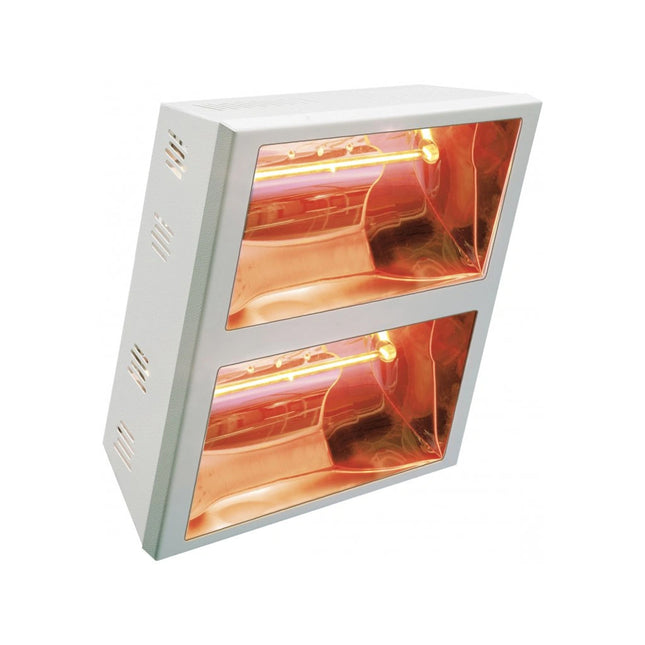

Infrared heating in the warehouse for protection of goods and efficient energy use
With infrared heating in the storage hall, you choose a targeted and cost-effective method of heating. Storage halls have a different usage profile than production or workspaces. Often, fewer employees are present, occupancy fluctuates, and the emphasis is on protecting stored goods. Traditional heating systems are often inefficient in these types of spaces because they have to heat large volumes of air without providing immediate comfort. Infrared heating works in a targeted manner and is therefore highly suitable for storage environments.
Specific challenges when heating storage halls
Warehouses are characterized by large surfaces, high ceilings, and fluctuating temperatures. While the space isn't used intensively, it does require a stable indoor climate to protect goods from moisture, cold, or condensation. Convection heating primarily warms the air, which rises quickly and disappears again when the doors are open. Infrared heating, on the other hand, focuses on objects and surfaces, allowing for more manageable temperature and humidity.
How infrared heating works in a warehouse
Infrared heating emits radiant heat that is directly absorbed by floors, walls, shelves, and stored materials. These surfaces slowly release the heat back into the room, creating a more consistent thermal environment without significant fluctuations. The fast response time allows the heating to be switched on only when needed, for example, during work or inspections, without having to continuously heat the entire hall.
Suitable infrared solutions for warehouses
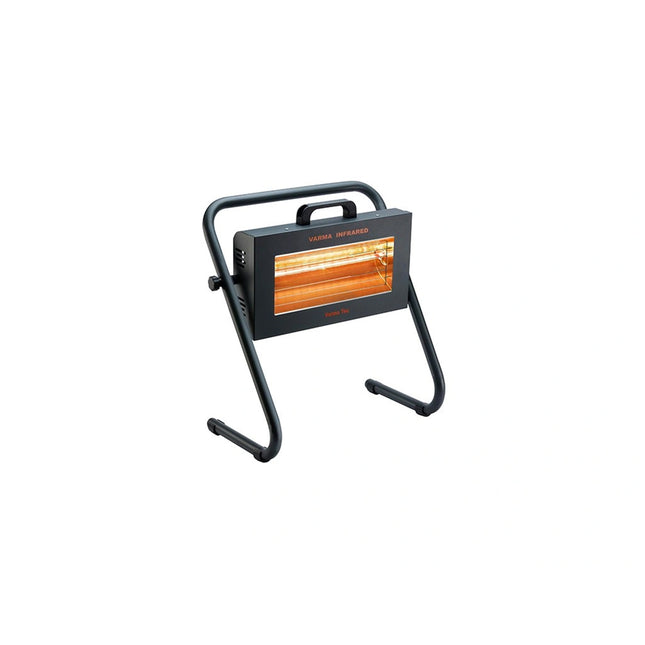
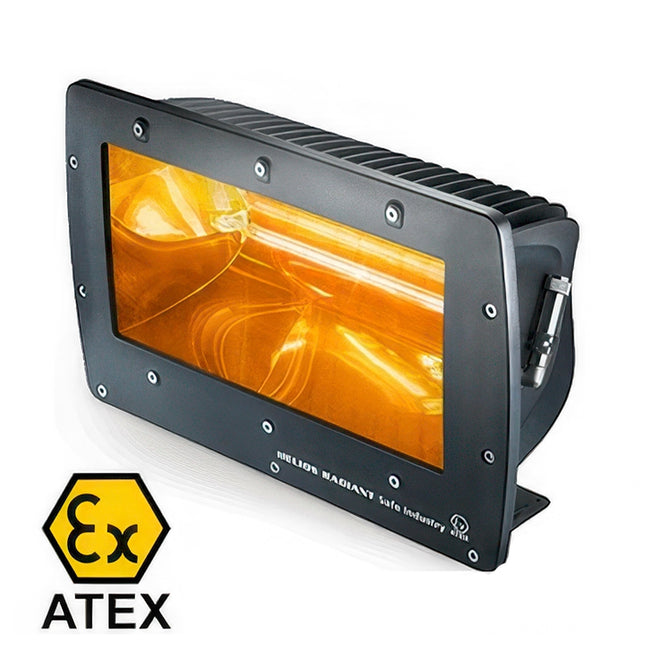
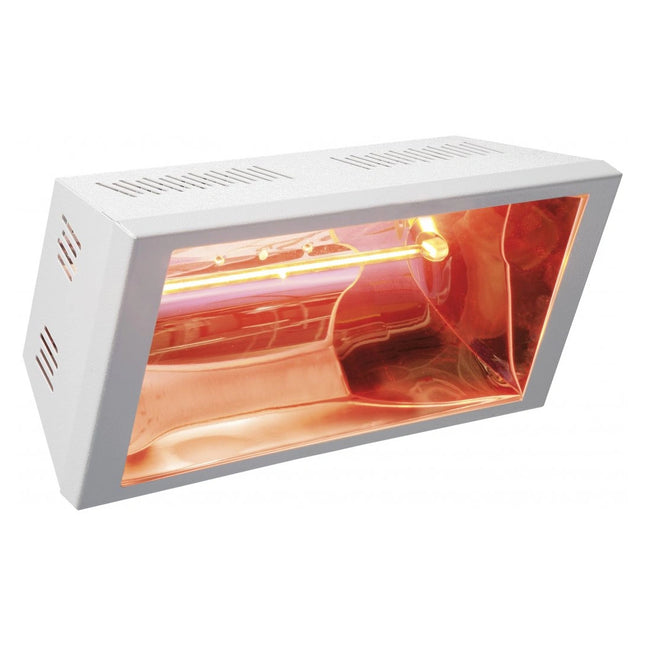
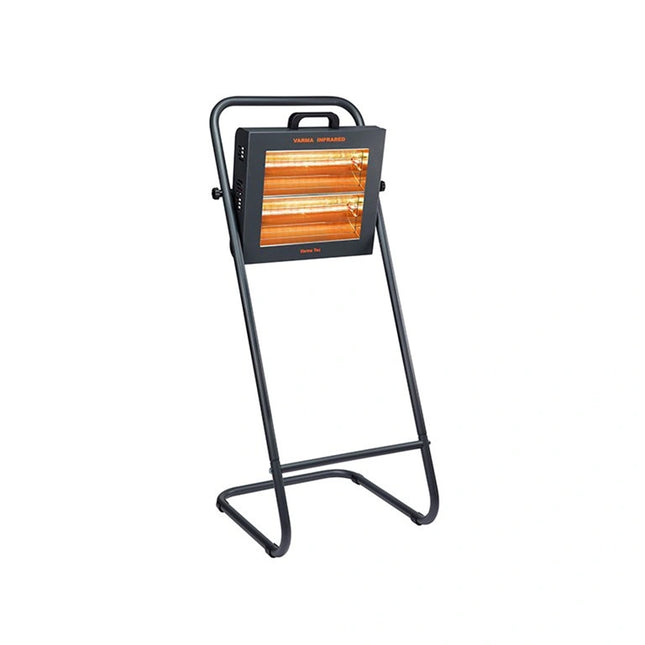
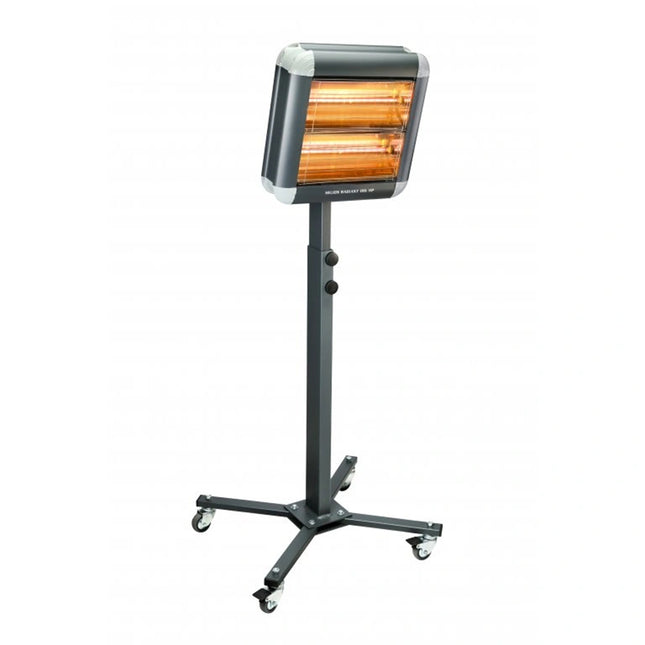
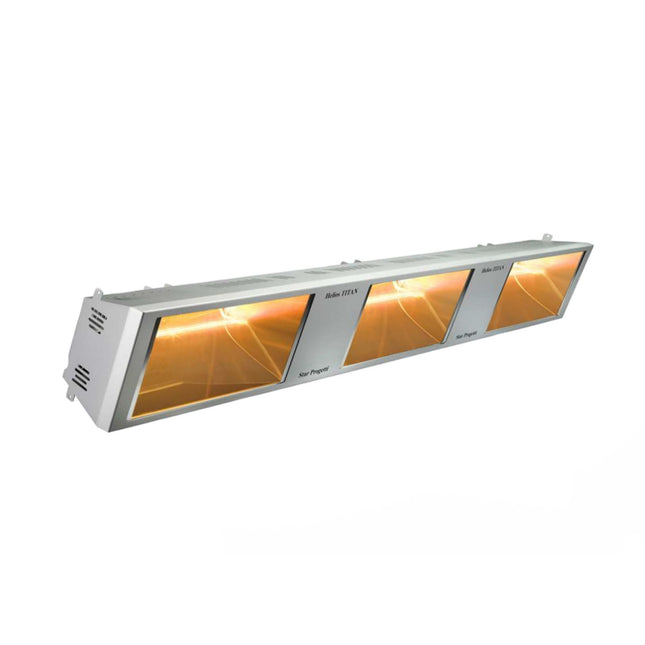
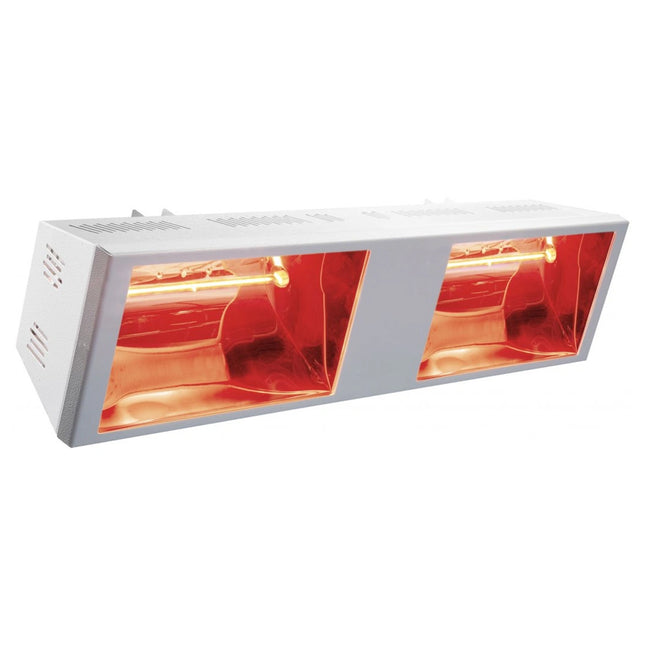
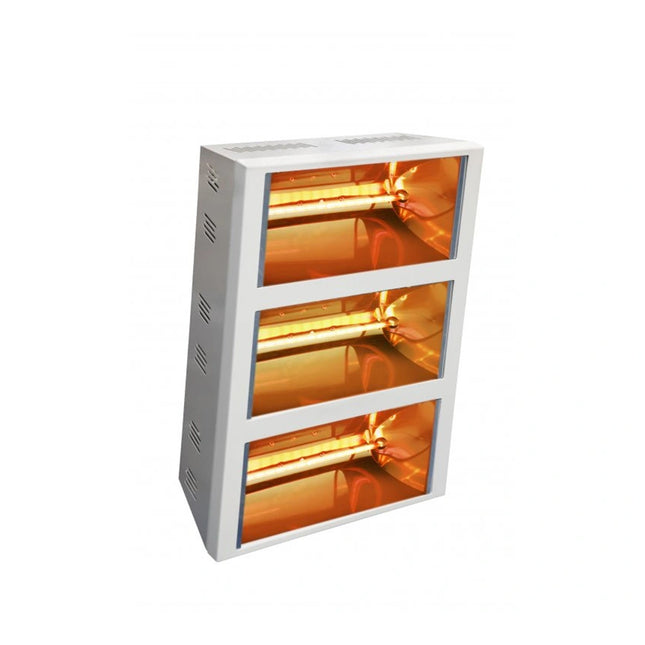
The ideal infrared solution for a warehouse depends on the layout and height of the space. In high warehouses, ceiling-mounted solutions are often used to distribute heat across the floor. An infrared panel on the ceiling above walkways or work zones provides direct heat without taking up floor space. In warehouses with fixed inspection or processing points, a wall panel be used for added comfort in specific areas. For temporary or seasonal storage, portable infrared heating flexibility without a permanent installation.
Zone heating tailored to storage use
In storage halls, infrared heating is almost always applied as zone heating. Only zones where employees work or goods are processed are heated. Storage areas where no activity takes place remain unheated. This significantly reduces energy consumption and prevents unnecessary costs. In storage halls that are part of a larger logistics complex, for example next to a warehouse or adjacent shed, infrared heating can easily be coordinated within a single total concept.
Protection of goods against cold and moisture
A key purpose of heating in warehouses is to protect goods. Temperature fluctuations and high humidity can lead to condensation, corrosion, or mold growth. Infrared heating helps warm surfaces, keeping them drier and preventing moisture from building up. This is especially relevant when storing materials such as wood, paper, metal parts, or packaged products. By actively heating surfaces, the indoor climate remains more stable and damage and loss of quality are limited.
Comfort and safety for employees
Although employees aren't always present in a warehouse for extended periods, comfort during work is important. Infrared heating provides a pleasant warmth at working height, without drafts or noise. This increases safety and reduces the risk of physical complaints during inspection or loading activities. Because infrared doesn't create air currents, dust is better controlled, which is a major advantage in storage environments.
Main heating or additional solution
In well-insulated storage halls, infrared heating can function as the primary heating system. In older or open storage halls, infrared is more often used as a supplementary solution to increase the perceived temperature and limit moisture problems. This flexibility makes infrared suitable for a wide range of storage applications. When a storage hall adjoins other business spaces, such as a production hall, infrared heating can be easily adjusted per zone.
Capacity and dimensions for storage halls
The required power for infrared heating in a warehouse depends on factors such as surface area, ceiling height, insulation, and the type of goods stored. Warmteshop always performs a custom calculation to determine the correct power and optimal panel placement. This prevents over- or under-dimensioning. For more background information on efficiency and energy consumption, the article " Is infrared heating economical?" offer valuable insights.
Infrared heating and energy efficiency
Companies are increasingly looking for ways to limit energy consumption without compromising quality and safety. In European publications, such as those found via energy.ec.europa.eu, electric radiant heating is mentioned as an efficient solution for large spaces with variable use. For storage halls, where continuous heating is often not required, infrared fits perfectly within this vision.
Why Warmteshop for warehouse heating?
Warmteshop has been a specialist in infrared heating since 2006 and has extensive experience heating storage halls and logistics spaces. With more than 5,000 infrared panels in stock and warehouses in the Netherlands, Belgium, and Germany, we offer fast delivery and continuity. In our 30+ showrooms, including those in Antwerp, Ghent, Hasselt, Kortrijk, Brussels, and Culemborg, we showcase solutions tailored to a wide range of storage applications. Our reliability and service are underscored by independent reviews via Trustprofile.
Warehouse heating as part of a total solution
A warehouse is often part of a larger business process. By cleverly combining infrared heating with other business spaces, a clear and scalable heating system is created. Infrared offers flexibility, control, and reliability, making it easy to grow with changing storage needs.
Back to the complete overview of infrared panels
View Warmteshop's full range of infrared panels and discover which solutions are suitable for your warehouse and business environment.