
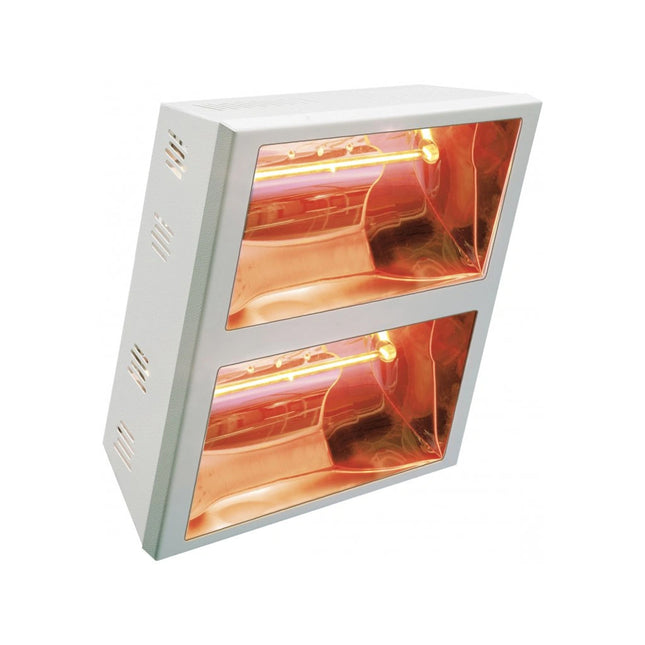

Infrared heating in the warehouse for targeted comfort and lower energy costs
With infrared heating in the warehouse, you choose an efficient and future-proof method of heating. Warehouses are often large, high spaces with fluctuating occupancy and limited insulation. Traditional heating systems consume a lot of energy here because they have to heat large quantities of air that are quickly lost again. Infrared heating handles this differently by delivering direct radiant heat to people, shelving, floors, and work zones. This creates comfort where it is needed, without unnecessary waste.
The challenge of heating in warehouses
A warehouse is rarely used continuously like an office or home. There are peak times, varying workloads, and often large doors that open frequently. Warm air heating is inefficient under these conditions because heat rises and dissipates quickly. Infrared heating works independently of air movement and remains effective even in drafts or temperature fluctuations. This makes infrared ideal for logistics areas and storage halls.
How infrared heating works in warehouse environments
Infrared panels emit radiant heat that is directly absorbed by objects and people in the space. In a warehouse, this means that work floors, shelving, and workstations retain heat and release it slowly. This makes the space feel comfortable, even when the air temperature remains lower. Moreover, the heating reacts quickly, which is ideal for warehouses with flexible working hours or shifts.
Suitable infrared solutions for warehouses
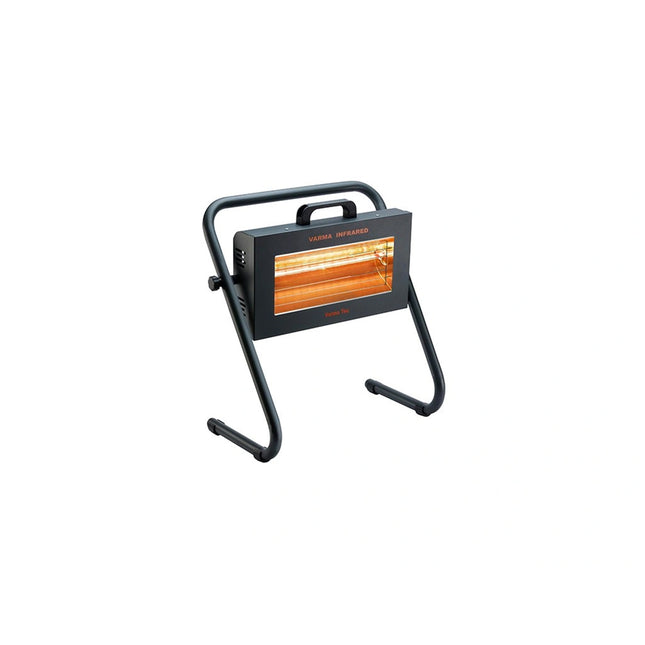
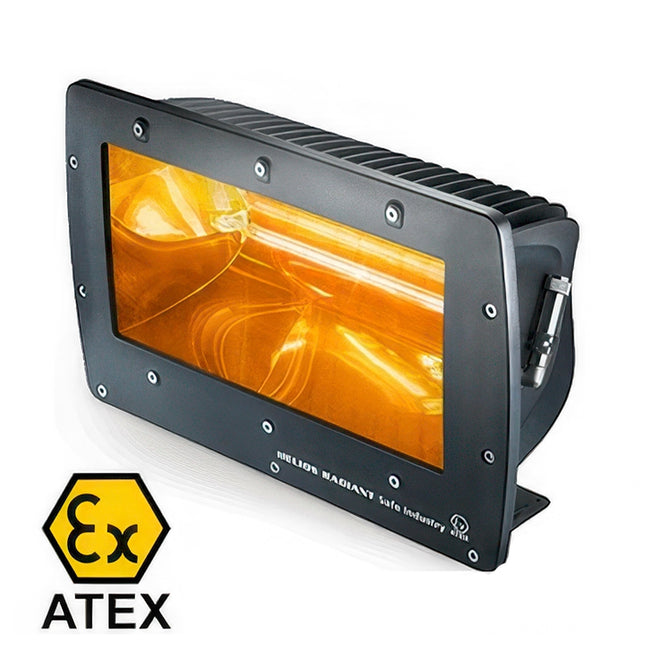
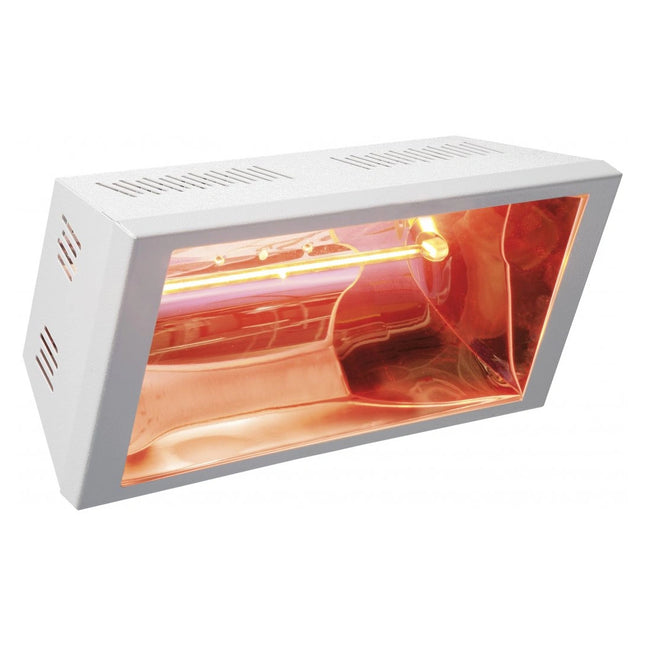
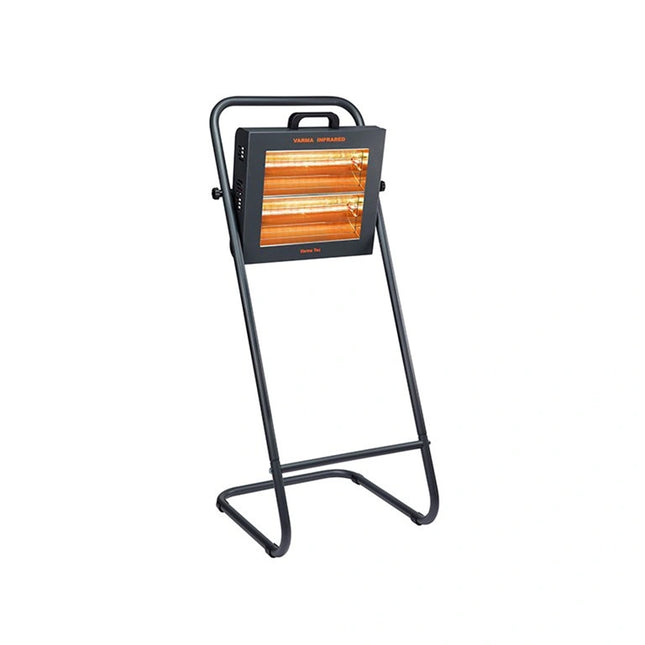
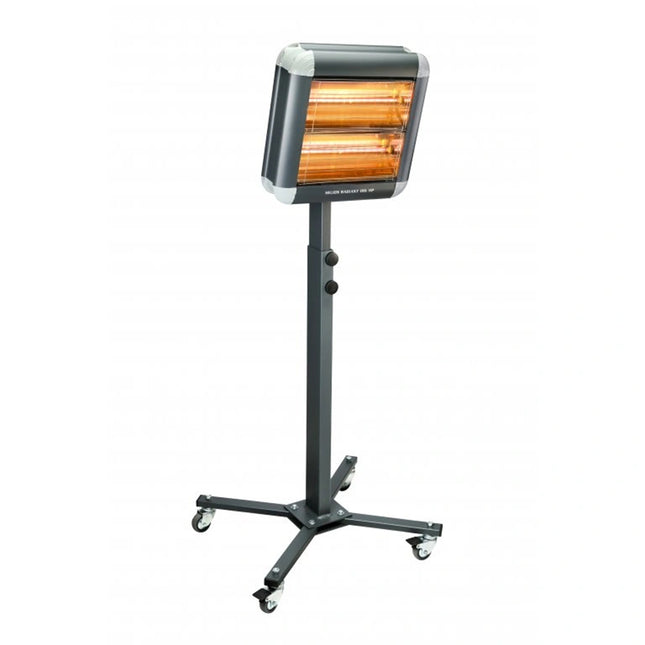
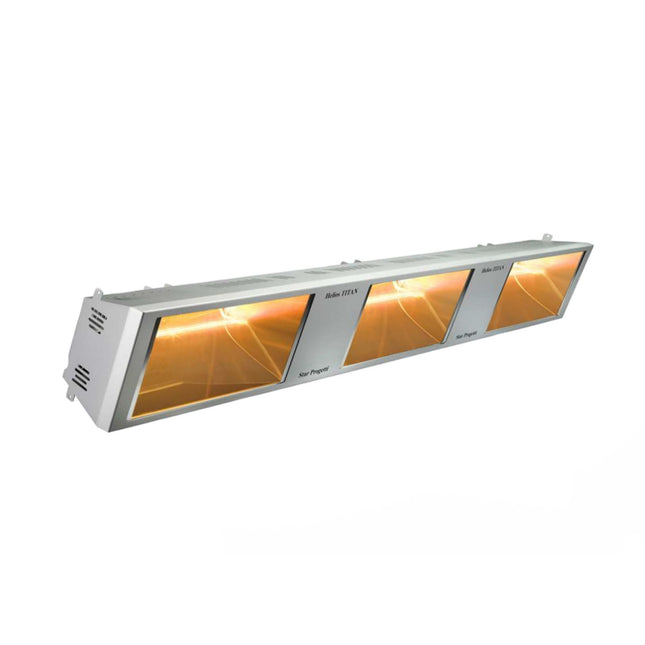
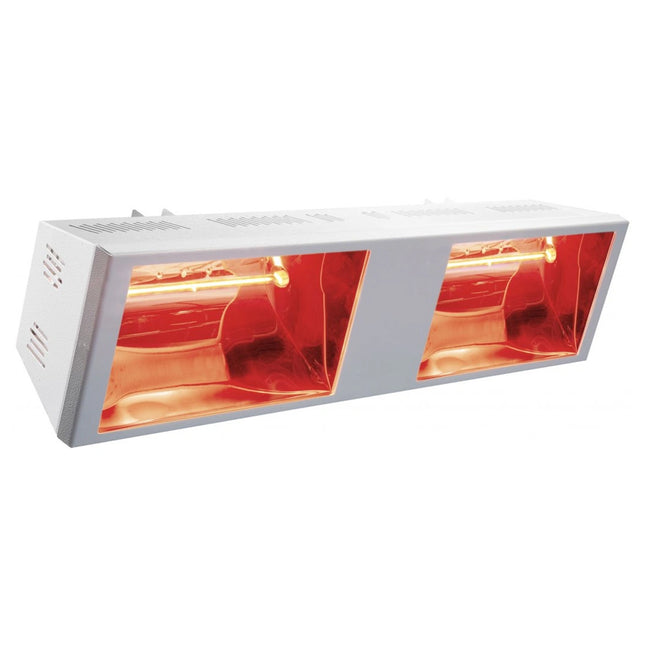
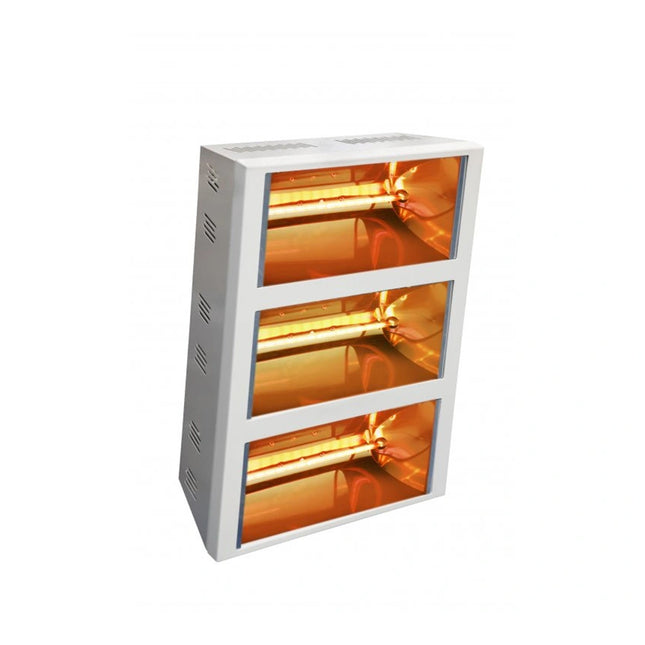
The right infrared solution depends on the warehouse height and the layout of the work zones. In high warehouses, ceiling-mounted solutions are often used to target specific zones. An infrared panel on the ceiling above loading or picking zones provides direct heat without obstruction. For warehouses with lower ceilings or fixed workstations, a wall-mounted solution be very effective. In temporary zones or seasonal storage, a portable infrared heater maximum flexibility.
Zone heating as the key to energy efficiency
Infrared heating is almost always used as zone heating in warehouses. Only the areas where employees are active are heated. Examples include packing tables, loading points, or inspection zones. Storage areas where no one is present remain unheated. This approach significantly reduces energy consumption. In warehouses adjacent to other business spaces, such as a workshop or office space, infrared heating fits logically into a single integrated heating plan.
Comfort and productivity in the warehouse
A pleasant working environment directly impacts productivity and safety. Employees who are comfortably warm work more accurately and maintain focus longer. Infrared heating prevents cold hands and stiff muscles without making the space feel stuffy. Because no air is circulated, dust in the warehouse is also better controlled. This is especially relevant in warehouses where packaged products or sensitive goods are stored.
Main heating or support in logistics areas
In well-insulated warehouses, infrared heating can function as the primary heating system. In older or open warehouses, infrared is more frequently used as supplementary heating, focused on the work zones. This flexibility makes infrared suitable for a wide range of logistical applications. In situations where the warehouse is connected to technical rooms or a garage, a uniform infrared solution can ensure consistent comfort and easy management.
Capacity and dimensions for warehouses
The right power output is essential for an effective infrared solution in the warehouse. This depends on factors such as ceiling height, surface area, and the level of insulation. Warmteshop always prepares a customized calculation to ensure the panels provide sufficient heat without being oversized. For companies looking to gain insight into performance and efficiency, the knowledge base offers valuable information, such as the article on comparing infrared heating.
Healthy indoor climate and fewer moisture problems
Warehouses often experience temperature fluctuations and humidity, especially with large doors and goods storage areas. Infrared heating helps keep surfaces dry by directly heating walls and floors. This reduces condensation and lowers the risk of mold or corrosion of materials. Because there is no combustion process, no gases or vapors are released, contributing to a safe and healthy working environment.
Infrared heating and energy policy
More and more companies are taking a critical look at their energy consumption. In European publications, such as those from energy.ec.europa.eu, electric radiant heating is mentioned as an efficient solution for large spaces with variable use. By cleverly combining infrared with timers and zones, energy consumption can be significantly reduced, especially in warehouses where traditional systems fall short.
Why companies choose Warmteshop
Warmteshop has specialized in infrared heating since 2006 and has extensive experience with warehouses and logistics environments. With more than 5,000 infrared panels in stock and multiple warehouses in the Benelux and Germany, we guarantee fast delivery and continuity. In our 30+ showrooms, including those in Antwerp, Ghent, Hasselt, Kortrijk, Brussels, and Culemborg, we showcase solutions specifically tailored to business applications. Our expertise and service are confirmed by independent reviews via Trustprofile.
Warehouse heating as part of a total concept
A warehouse usually does not function in isolation, but is part of a larger commercial building. Infrared heating can be easily integrated with solutions for other spaces, such as a workshop or logistics office. By coordinating everything within a single infrared concept, an efficient, well-organized, and future-proof heating system is created.
Back to the infrared panels overview
View Warmteshop's full range of infrared panels and discover which solutions are suitable for your warehouse and business premises.