

Separate posts for patio heating: flexible heating comfort
With separate patio heater stands, you turn a patio heater into a mobile heat source. You can easily move the unit when the wind changes, guests are seated at a different table, or you rearrange the garden. This allows you to heat precisely where people are sitting, without drilling holes in a wall or ceiling. This guide helps you, as a private individual, hospitality business owner, or event organizer in Belgium and the Netherlands, to choose a stable stand and use it safely.

What are freestanding posts for patio heating?
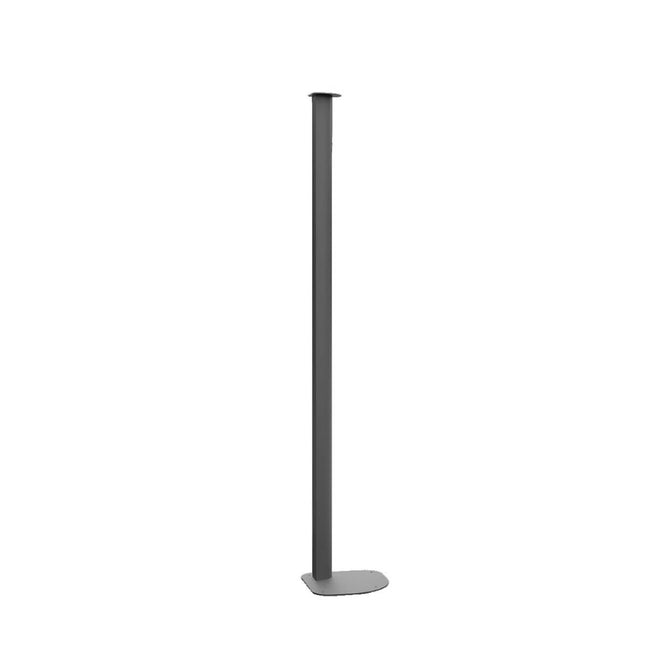
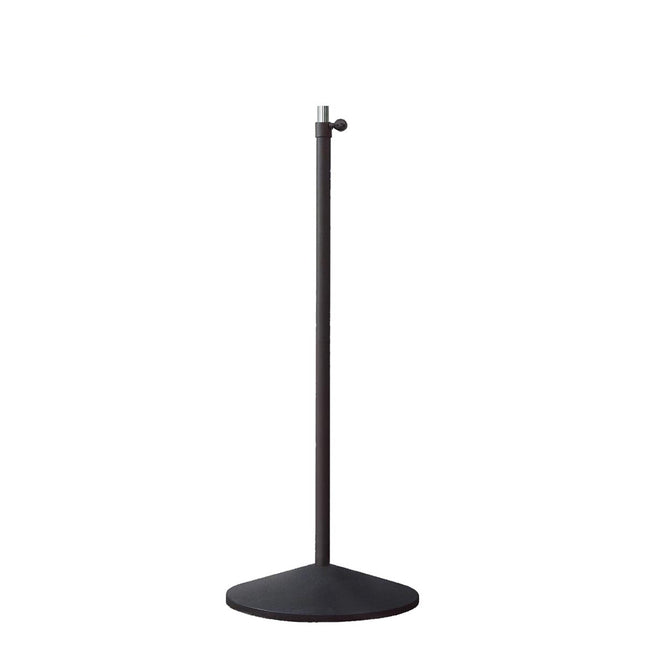
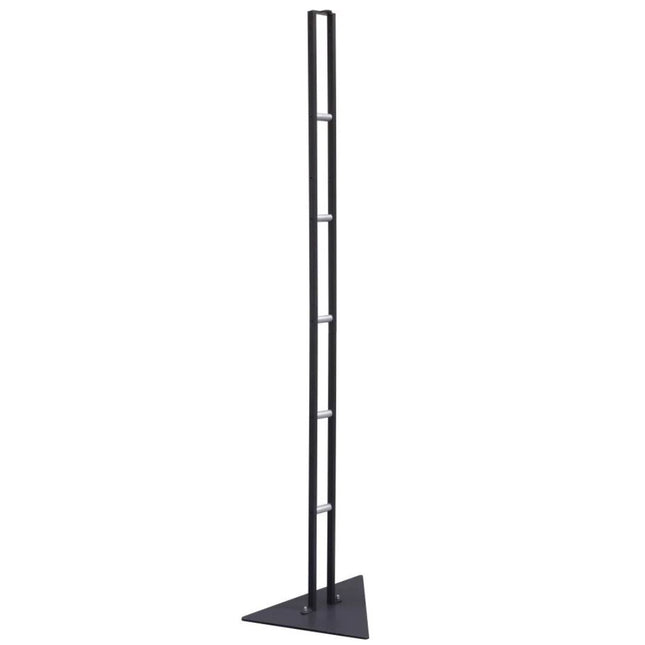
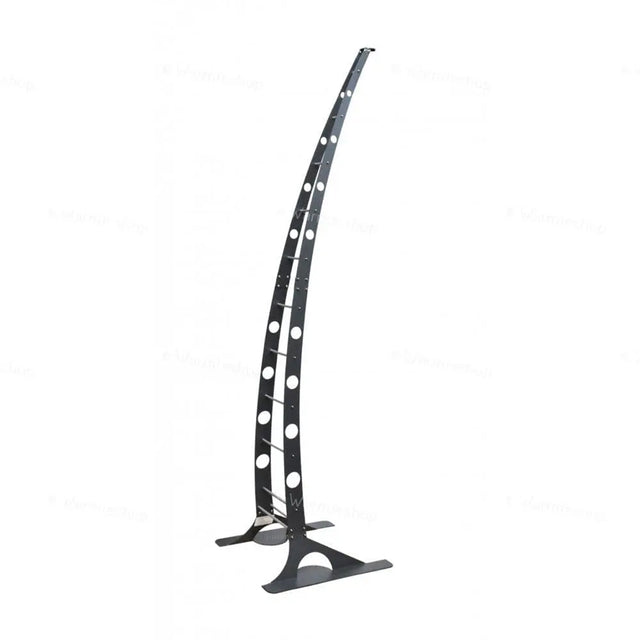
A stand-alone unit is a freestanding frame with a base onto which you mount a suitable patio heater. The base provides stability; the tube raises the heating element to a comfortable height. Some models feature an adjustable telescopic tube, a tilting mounting head, or wheels. This allows you to determine the direction of radiation yourself and move the setup without tools. A stand is particularly useful when fixed wall or ceiling mounting is not possible or not desired.
For which heaters is a stand suitable?
Always check the mounting holes, the maximum load capacity, and the diameter of the clamp. Many stands are designed for short- or medium-wave infrared patio heaters, but frames for compact electric units also exist. A gas heater must only be mounted on a certified base. Never use a universal clamp if the manufacturer does not permit it. The manuals for both the heater and the stand together determine whether the combination is safe.
Choosing the right stand: five points to consider
When choosing freestanding stands for patio heating, the selection revolves around stability, range, and safe daily use.
1. A broad, weighted base
A low, wide base lowers the center of gravity. Ballast is important for outdoor use, especially on an open terrace or balcony. Choose a base that matches the weight and height of your heater. On a hard, flat surface, rubber feet stand firmly; on paving stones, adjustable feet prevent wobbling.
2. Height and beam angle
The ideal height depends on the type of heater and the seating height. An adjustable tube makes it possible to direct heat over a table or to reach a lounge area evenly. A tilting head prevents you from having to move the entire stand when the desired zone changes. Maintain the clearances specified in the manual around the unit.
3. Weather-resistant materials
For Belgium and the Netherlands, powder-coated steel, stainless steel, and UV-resistant plastic are suitable choices. Pay attention to a solid paint finish, drainage holes, and rust-free mounting bolts. An IP rating applies to electrical components; therefore, the rating of the heater is not automatically that of the stand. Place the setup in a sheltered location and store it away during storms.
4. Move without risk
Wheels are convenient on a flat floor, but always engage the brake during use. Lift a stand with two people if the base is heavy. Switch off the heater and allow the element to cool down completely before moving the setup. Never pull on the cord and do not coil cables under the base.
5. Compatible accessories
Consider a cable clip, protective cover, remote control, or smart plug suitable for the wattage. A thermostat or timer helps to heat only when the terrace is occupied. Outdoors, use only splash-proof extension cords with earthing and a suitable residual current device.
Installing freestanding posts for patio heating
First, choose a flat spot with sufficient distance from parasols, awnings, plants, and flammable materials. Place the base fully on the ground and check that all bolts are tightened. Mount the heater according to the indicated direction of rotation; cables run downwards along the tube and are kept clear of hot parts with clips. Next, test the stability by gently tapping the stand. If it is not level, move it or adjust the feet.
Correct installation makes freestanding patio heater posts safe for daily use.
Around a long table, one centrally positioned heater sometimes works better than multiple small units. In a lounge area, placement to the side can limit bothersome shadows. Take wind into account: infrared heats people and surfaces directly, but a strong airflow dissipates heat more quickly. A sheltered corner therefore increases comfort and reduces consumption.
Safe use with separate stands for patio heating
Perform a brief check before opening: base stable, mounting secure, cable undamaged, and emergency switch accessible. Inform staff how to switch off the heater. Do not place tables, bags, or strollers against the stand. In a hospitality establishment, unobstructed passage remains important; anchor or add extra weight to the base when visitors walk past. For events, use only equipment with the proper certifications and have the electrical installation inspected by a qualified person.
A patio heater is not a drying rack. Do not hang clothing or decorations on it, and never cover a hot appliance. In case of rain, thunderstorms, or strong winds, switch it off and move the heater to a sheltered storage location. Have a damaged cord, crack in the base, or loose coupling repaired first.
Maintenance of freestanding uprights for patio heating
Clean the stand regularly with a soft cloth and lukewarm water. Avoid abrasive cleaners that damage the coating. Check the bolts, welds, wheels, and rubber feet at the beginning and end of the season. Store the stand dry and upright; remove batteries from remote controls. A protective cover prevents dust, but only use it when the device is cold and dry.
Well-maintained freestanding uprights for patio heaters remain stable, neat, and ready for the next season.
Compare individual posts for patio heating
Compare not only the price, but also load capacity, base dimensions, adjustment range, mounting method, and warranty. A heavier base may be safer on an open terrace, while a compact model is more practical for a balcony. Note the power and weight of your heater beforehand. This will prevent a combination that wobbles, overheats, or does not fit.
- Measure the available floor area and check the safety distance.
- Note the weight, dimensions, and mounting pattern of your patio heater.
- Choose a base and tube that are suitable for outdoor use and wind load.
- Check cable routing, IP rating of the heater, and warranty conditions.
In short: first determine the location, then check compatibility and load capacity. Next, choose a wide base and the correct height. Then, safely route the cable and test the stability. Finally, maintain the stand and store it in a dry place. This ensures that mobile patio heating remains comfortable and reliable.
Therefore, a good setup always starts with measuring. Next, you compare the base, height, and load capacity. Furthermore, you take wind and foot traffic into account. After that, you assemble carefully and test the stability. Finally , you switch off in good time and store everything in a dry place. This way, the terrace remains comfortable, safe, and efficient.
Frequently Asked Questions
Here we answer the most frequently asked questions about freestanding posts for patio heating.
Can I mount any patio heater on a separate stand?
Not automatic. Check the type, weight, mounting holes, and maximum load in both manuals. If in doubt, an installer can advise on the correct combination.
How heavy must the foot be?
That depends on the device, height, and wind load. Follow the manufacturer's specifications and add only approved ballast. More weight is not always sufficient if the connection is not suitable.
Is it permissible for a post to stand on a wooden terrace?
Yes, provided the surface is flat and load-bearing and the clearances are respected. Do not place a hot appliance directly next to flammable wood or textiles and do not use damaged cables.
Are freestanding posts suitable for a balcony?
A compact, low model may be suitable, provided that building regulations, wind load, and electrical safety permit. Do not place the base on a narrow ledge and do not run a cable across a walkway.
How do I make patio heating mobile?
Switch off, allow to cool completely, unlock the wheels or lift the base with two people. Move the stand gently and then recheck the attachment and levelness.
Advice on freestanding stands for patio heating in Belgium and the Netherlands
Local regulations regarding electricity, fire safety, and the hospitality industry can vary by municipality or building. Therefore, check the regulations of your landlord, municipality, or insurer. For permanent connections, multiple heaters, or professional use, engage a certified installer. With the right freestanding patio heater, you can then safely create a pleasant terrace, at home or in your business.