



Electric convector: fast and adjustable heat
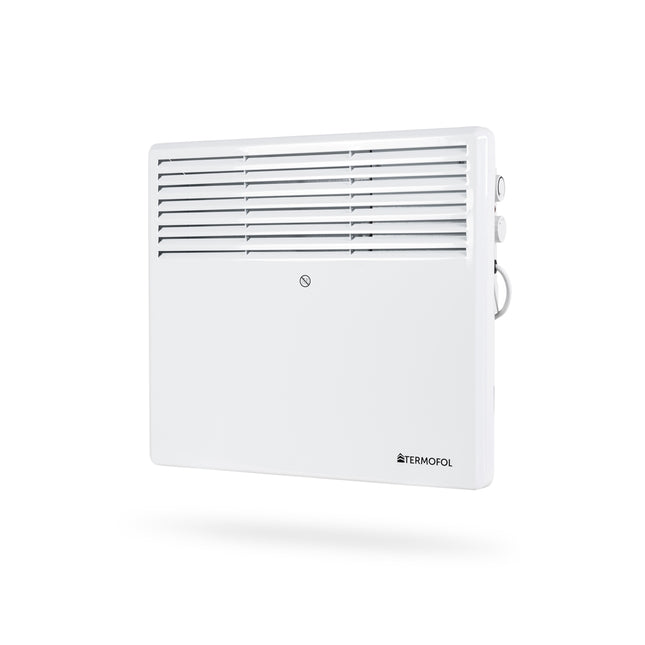
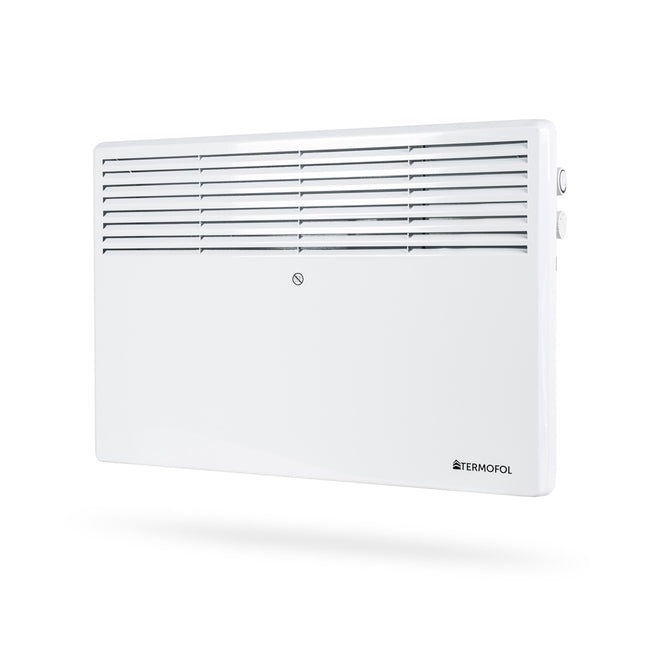
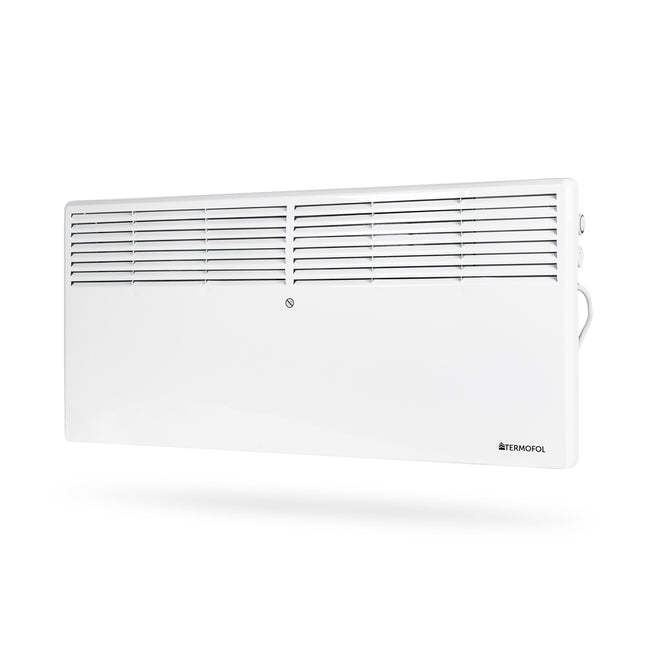
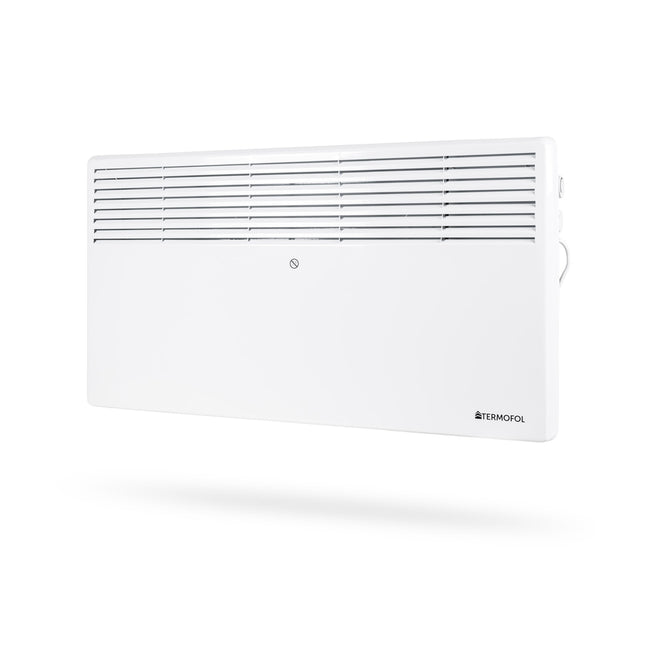
An electric convector heats the air in a room quickly and evenly. Cold air flows into the bottom of the unit, passes the heating element, and then rises as warm air. As a result, you feel the results relatively quickly, without pipes, a central heating boiler, or extensive installation. At Warmteshop, you can choose from electric convectors from BEHA and our standard line, with power outputs ranging from 500 to 2,500 watts. Depending on the model, you receive a digital thermostat, a weekly program, or Wi-Fi control. Furthermore, you receive personal advice in our 32 stores in the Netherlands and Belgium.

When is an electric convector a good choice?
An electric convector is particularly suitable for rooms you want to heat quickly, specifically, or temporarily. Examples include a bedroom, office, hobby room, utility room, studio, or holiday home. Additionally, a convector can supplement an existing heating system when a single room requires extra comfort.
- You want quick heat without modifying an entire heating system.
- You are looking for primary or supplementary heating for a separate room.
- You want to control the temperature accurately with a thermostat.
- You want to keep a room frost-free with a low temperature setting.
- You choose wall mounting or a freestanding unit, depending on the model.
- You want to heat via a timer, weekly schedule, or app, if the selected model supports this.
However, convection heating is not the best solution for every situation. In very high or large rooms, warm air collects at the top more quickly. If you want to heat people and surfaces directly, consider an infrared panel. If you want to combine rapid air heating with radiant heat, hybrid infrared panels are worth considering.
How do you choose the right capacity?
The required power depends on more than just the floor area. Therefore, you should also consider insulation, ceiling height, glazing, outside temperature, and desired room temperature. A well-insulated bedroom generally requires less power than an older extension with a lot of glass. So, use wattage per square meter only as a first indication.
First, measure the length, width, and height of the room. Next, determine whether the electric convector will serve as primary or supplementary heating. Do not automatically choose the most powerful unit: appropriate output and an accurate thermostat ensure more stable comfort. If in doubt, our advisors will calculate the required output based on the room and usage.
Benefits and points to consider of electric convectors
Electric convectors respond quickly, require minimal installation, and allow you to control each room individually. Furthermore, a fanless model operates virtually silently. As a result, you do not need to maintain the entire home at the same temperature when using only a bedroom, office, or studio.
On the other hand, direct electric resistance heating can consume more power than a heat pump during prolonged use. Furthermore, warm air naturally rises. In a high, open, or poorly insulated room, the temperature difference between the floor and ceiling can therefore increase. First improve drafts and insulation, and have the heat loss calculated for primary heating.
- Practical advantage: fast zone control without water pipes or a central heating boiler.
- Comfort advantage: quiet operation on models without a built-in fan.
- Point to note: operating costs depend heavily on insulation, temperature, and duty cycle.
- Note: features, bathroom class, and installation method vary by model.
Quick selection guide for power and usage
Use the classification below as an initial selection, not as a definitive capacity calculation. The same surface area can have a very different heat demand due to differences in glazing, exterior walls, ceiling height, and ventilation.
| Power class | Often chosen for | Check especially |
|---|---|---|
| 500–750 watt | Small, well-insulated room or light supplementary heating | Heat loss, minimum temperature and available wall space |
| 1,000–1,500 watts | Bedroom, office or medium-sized room | Insulation, ceiling height and desired heating speed |
| 2,000–2,500 watts | Larger room or space with higher heat demand | Electrical circuit, connection method and total heat requirement |
A higher wattage means a higher maximum heat output, but not automatically a higher daily consumption. A suitable appliance reaches the set temperature faster and then switches off via the thermostat. Conversely, an undersized appliance may remain active for extended periods. Therefore, correct sizing is more important than blindly choosing the lowest or highest power output.
Wall-mounted convector, freestanding model, or smart convector?
A wall-mounted convector takes up little floor space and remains in a fixed, convenient location. A freestanding model is more flexible, but must be stable and have sufficient clearance around it. Therefore, always check whether feet are included with the unit or are available separately.
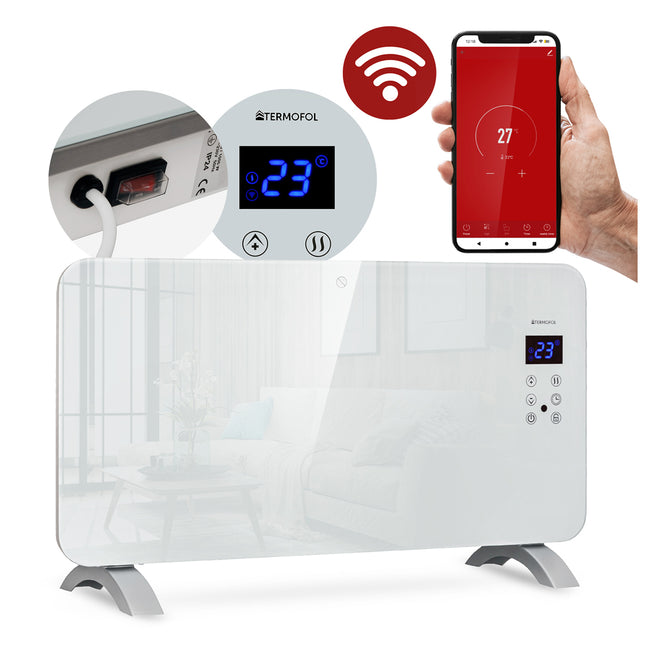
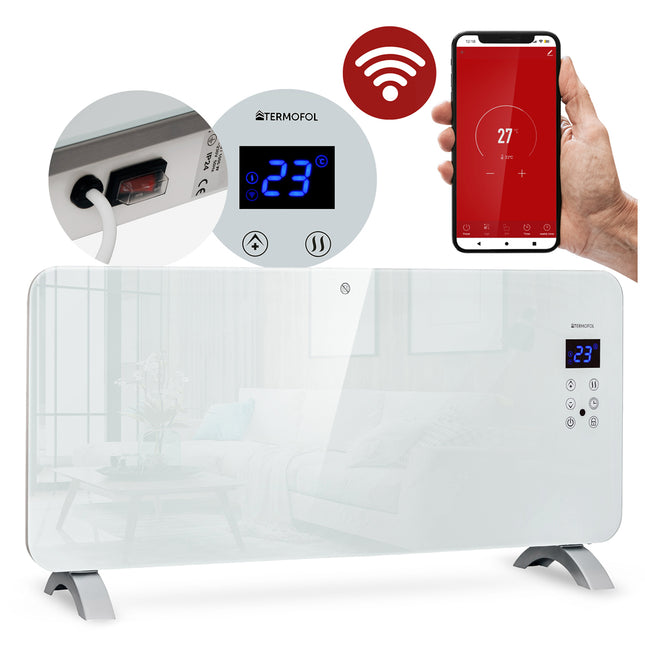
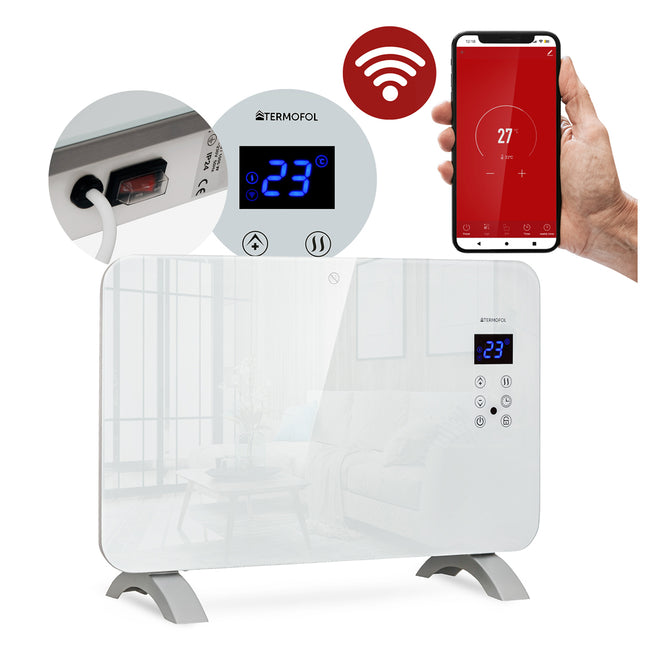
A smart electric convector offers additional control options. Depending on the model, you can set schedules, lower the temperature when you are away, or control multiple units via an app. Furthermore, features such as open window detection, vacation mode, and child lock can make operation easier. Check per product which features are actually present.
BEHA convectors: various versions
BEHA develops electric heating for a wide range of living and working situations. The available lines differ in aspects such as operation, dimensions, front material, and connectivity. This allows you to make a targeted comparison based on comfort, appearance, and operation.
RAW BRA
The BEHA RAW series features a paintable front and simple digital controls. This line is available in various power outputs and is suitable for a bedroom, living room, or office, among other settings. View the BEHA RAW convectors.
BRA PV and LV
If you require remote control, compare the smart models. The BEHA PV combines a steel front with digital control. The BEHA LV features a slim design for locations where wall space is limited. Check the Wi-Fi and programming functions for each variant.
BRA PGV and LGV
Those who prefer a glass front can compare the BEHA PGV and BEHA LGV . These models are designed for a modern interior and offer smart control functions, depending on the version.
Classic Bra
The BEHA Classic focuses on simple, direct temperature control. This makes this series interesting if you are primarily looking for a reliable device without extensive smart controls.
Standard convectors
In addition to BEHA, you will also find standard electric convectors. These entry-level models are suitable for targeted supplementary heating. Some versions offer a digital thermostat or Wi-Fi; therefore, please consult the product specifications for the exact features.
Calculate consumption and usage costs
An electric convector converts electricity into heat at the moment of use. You can easily calculate the maximum consumption: divide the power in watts by 1,000 and multiply that by the number of hours at full power. A 1,000-watt unit therefore uses a maximum of 1 kWh per hour when heating continuously. In practice, a thermostat switches the element on and off as soon as the set temperature is reached.
The final costs therefore depend on the heat demand, insulation, set temperature, duration of use, and your electricity tariff. Moreover, a higher output does not automatically save energy. A correctly sized appliance, a realistic temperature, and an appropriate schedule are more important. Primarily heat the room you are using and do not leave windows or doors open unnecessarily.
Electric convector, radiator or infrared panel?
- Electric convector: primarily heats the room air and responds quickly.
- Electric radiator: often uses a heat-retaining material in addition to convection, causing the heat output to feel different.
- Infrared panel: heats people and objects directly with radiant heat.
- Hybrid panel: combines air heating and radiant heat.
For short-term or intermittent use, the quick response of a convector is often practical. For a fixed seating area, direct radiant heat can be more comfortable. Therefore, it pays to look not only at wattage and purchase price, but also at the room, duration of use, and desired heating experience. Our advisors would be happy to discuss the possibilities with you in one of our 32 stores.
Safe installation and use
Install the unit according to the installation manual and maintain the prescribed distance from curtains, furniture, and other materials. Never cover an electric convector, as air must be able to circulate freely. Additionally, check the electrical connection and do not use an unsuitable extension cable. For a permanent connection or if you have any doubts about the circuit, have a certified electrician take a look.
In a bathroom, the correct IP protection class and installation zone are essential. Not every model is suitable for damp areas. Therefore, always check the product specifications and local installation regulations. Alternatively, you can compare our infrared panels and hybrid infrared panels
Maintenance and lifespan
An electric convector has no combustion, fuel line, or water circuit. As a result, periodic maintenance is limited. Switch off the unit, allow it to cool down, and remove dust according to the manual. Pay particular attention to keeping the air intake at the bottom and the outlet at the top clear. Do not use aggressive cleaning agents and do not open the housing yourself.
Additionally, occasionally check the plug, cable, wall brackets, and clearance around the device. Have any damage assessed by a qualified professional. Proper use not only extends the lifespan but also prevents dust from obstructing airflow.
Buy an electric convector at Warmteshop
First, compare the required power output, mounting method, dimensions, and thermostat. Next, look at features you actually use, such as a weekly schedule, Wi-Fi, or open window detection. This way, you avoid choosing an unnecessarily complex model and instead select a solution that suits your room and daily routine. Warmteshop has specialized in electric heating since 2006 and is happy to assist you with a targeted power calculation and product selection.
Frequently asked questions about electric convectors
What is the difference between a convector and an electric heater?
An electric heater is a collective term. A convector is a type of electric heater that primarily heats the air. Cold air enters at the bottom and warm air exits the unit at the top. A fan is not necessary for this.
Can I use an electric convector in the bathroom?
This is only possible if the specific model has the required IP protection and is installed in the permitted bathroom zone. Always check the product specifications and installation manual. For another bathroom solution, you can also consider electric towel radiators
How many watts do I need as a convector?
That depends on the volume of the room, the insulation, the glass surface area, the outside temperature, and the desired comfort. Floor area alone is therefore insufficient. If in doubt, have a capacity calculation performed, especially when the convector serves as the primary heating source.
Can a convector serve as primary heating?
Yes, provided the room is sufficiently insulated and the total power is calculated correctly. In a poorly insulated or very high room, a different technique or a combination of systems may be more suitable.
Does an electric convector make noise?
A model without a fan generally operates very quietly. Materials may expand or contract slightly during heating or cooling. Consult the product information if silence is important, for example in a bedroom.