

Infrared heating in the storage area for a stable climate and protection of materials
With infrared heating in the storage area, you ensure a stable and controlled indoor climate in which materials, products, and inventory are optimally protected. Storage spaces differ significantly from living and working spaces. They are often accessed infrequently, have limited insulation, and primarily require protection against cold and moisture. Traditional heating systems are often inefficient and unnecessarily expensive in these environments. Infrared heating offers a targeted solution where surfaces and stored goods are heated directly, without the need to continuously heat the entire air mass.
Why storage spaces have specific heating requirements
A storage space is usually not designed for long-term human occupancy. The purpose of heating here is different from that of office or production spaces. It's primarily about preventing condensation, temperature fluctuations, and moisture problems. Convection heating warms the air, which quickly cools and condenses on cold surfaces. Infrared heating focuses specifically on these surfaces, helping to create a more stable and dry climate.
The operation of infrared heating in storage spaces
Infrared heating uses radiant heat that is directly absorbed by walls, floors, shelves, and stored materials. These surfaces store the heat and release it gradually, creating a consistent temperature without significant fluctuations. In storage spaces, this means goods are less exposed to cold and moisture, while energy consumption remains limited by heating only where and when needed.
Suitable infrared solutions for storage spaces
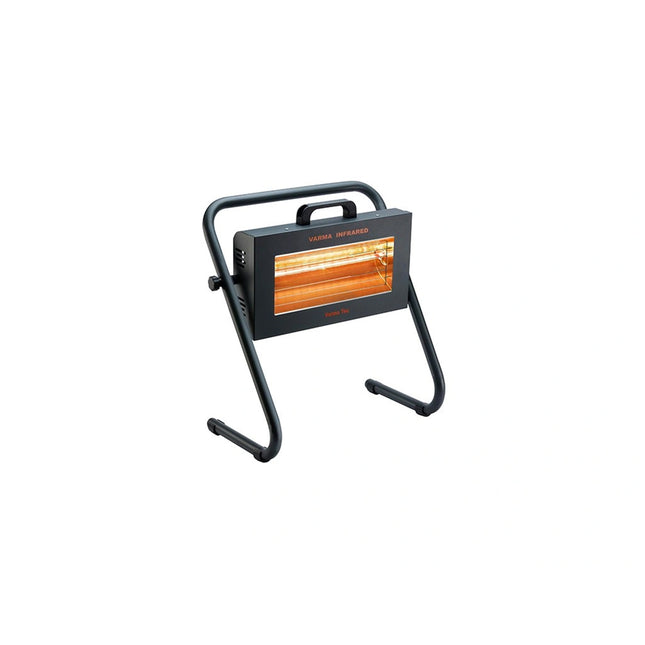
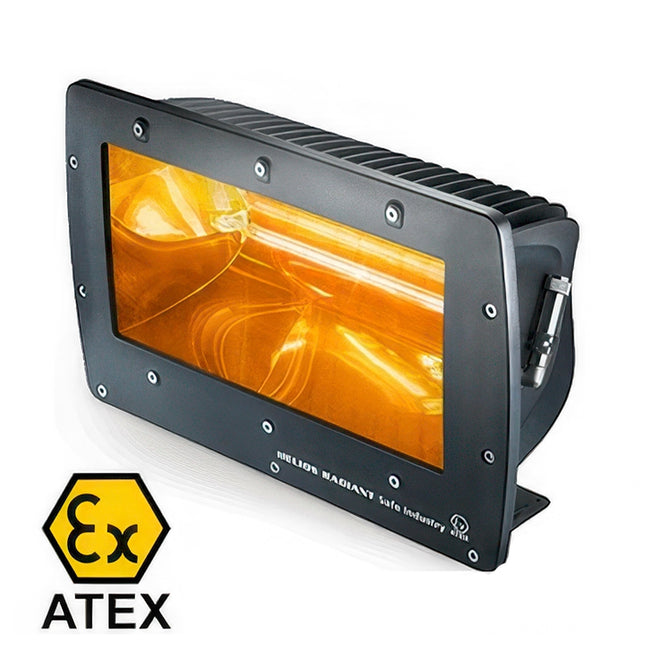
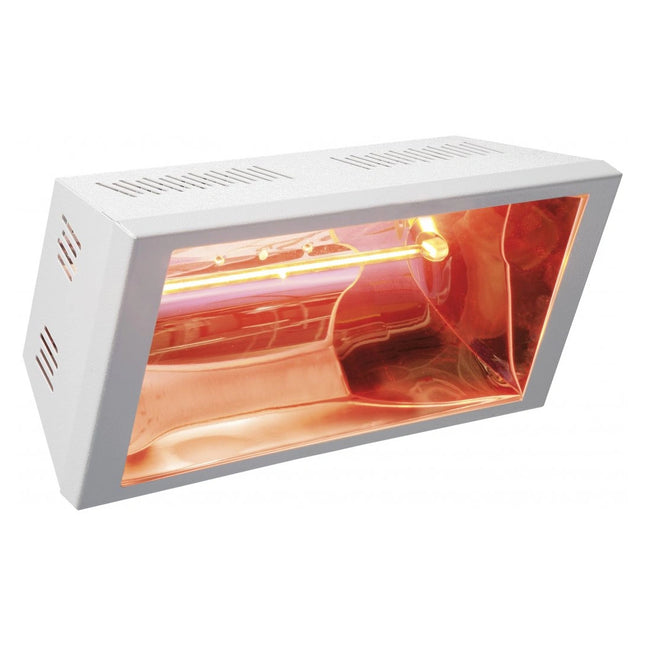
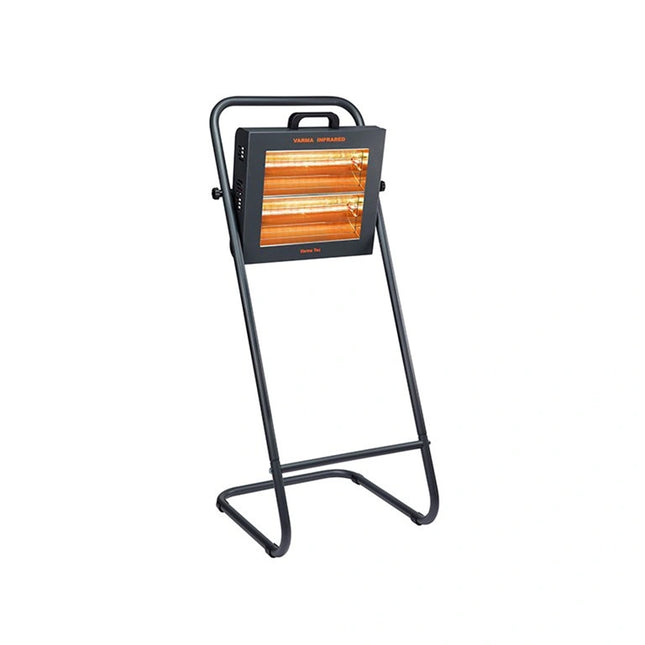
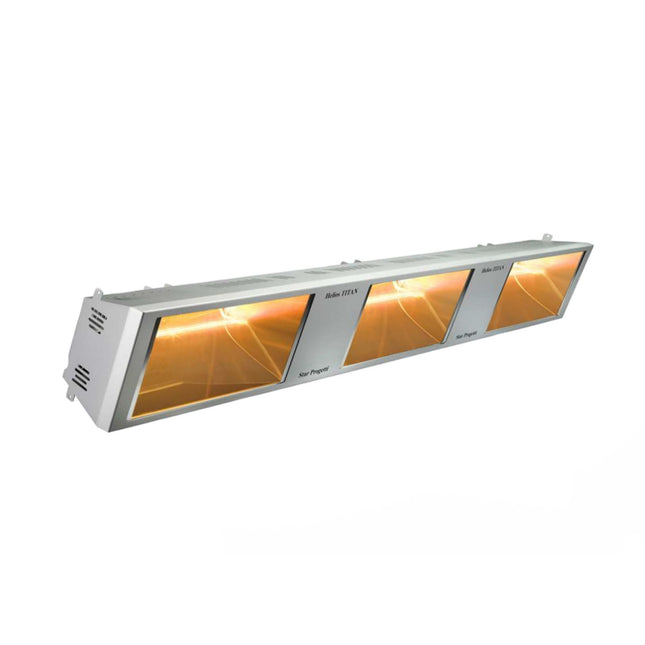
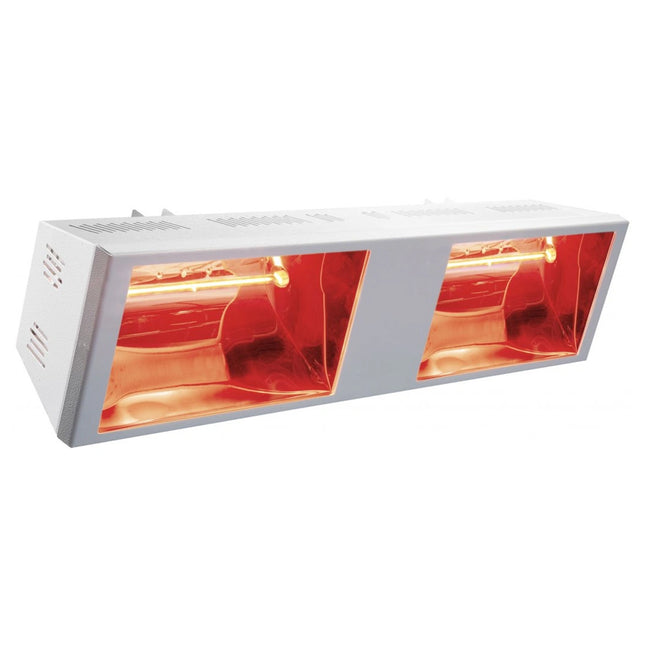
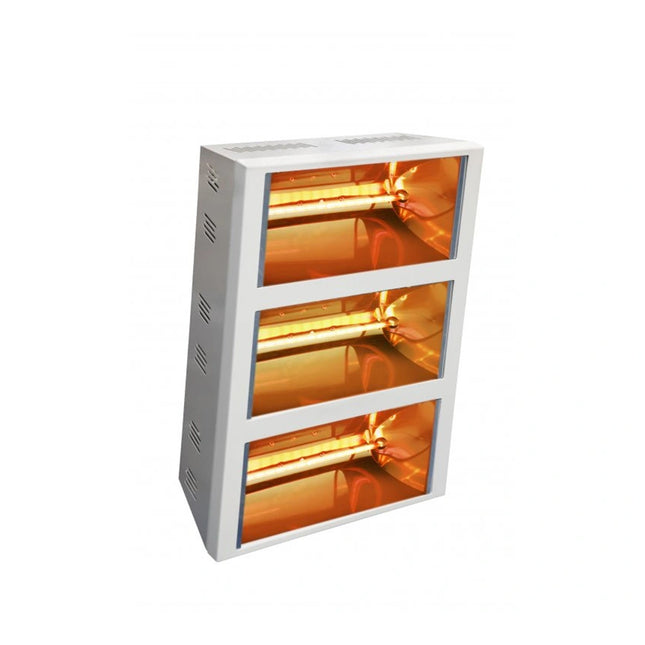
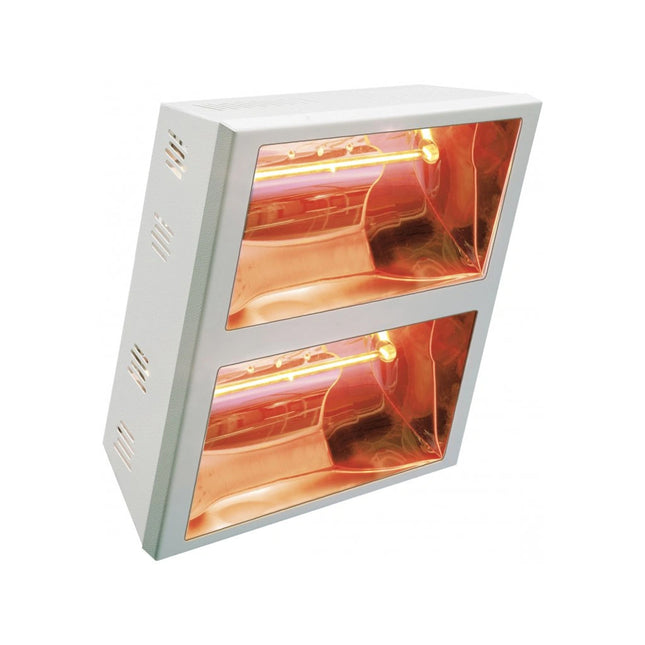
The right infrared solution depends on the size and layout of the storage space. In taller storage areas, a ceiling-mounted infrared panel ensure even heat distribution across the floor and shelving. In smaller or low storage areas, a wall panel often more practical and efficient. For temporary storage or spaces that are only used sporadically, a portable infrared heater be deployed flexibly.
Zone heating tailored to storage use
Infrared heating is almost always used as zone heating in storage spaces. Only areas where materials are stored or where periodic inspections are performed are heated. This prevents unnecessary energy consumption in areas that are rarely used. In storage spaces that are part of a larger complex, such as adjacent to a warehouse or connected to a production hall, infrared heating can easily be adjusted per zone.
Protection against moisture, condensation and temperature fluctuations
One of the key benefits of infrared heating in storage spaces is the reduction of moisture problems. Because surfaces are heated directly, walls, floors, and stored goods remain drier. This reduces the risk of condensation and mold and protects materials such as wood, paper, textiles, and metal parts. Electronic equipment also benefits from a more stable environment without large temperature fluctuations.
Comfort and safety during inspection and handling
Although storage spaces are usually not intended for long-term use, comfort during inspections or handling activities is certainly important. Infrared heating provides direct heat at working height without drafts or noise. This increases comfort and reduces physical strain during short-term work. Because infrared doesn't cause air circulation, dust is better controlled, which benefits both employees and stored goods.
Main heating or additional solution
In well-insulated storage spaces, infrared heating can be used as the primary heating source. In older or open storage spaces, infrared is often used as a supplementary solution to stabilize the climate and reduce moisture problems. This flexibility makes infrared suitable for both small storage spaces and larger storage compartments within a logistics or industrial complex.
Capacity and custom calculation for storage spaces
The required power for infrared heating in a storage space depends on factors such as surface area, insulation, ceiling height, and the type of goods stored. Warmteshop always prepares a customized heat calculation to determine the correct power and placement. This prevents the space from becoming too warm or too cold. For more detailed information on efficiency and energy consumption, the article " Is infrared heating economical?" valuable information.
Infrared heating within sustainable energy policy
Electric radiant heating is increasingly mentioned within European energy directives as an efficient solution for spaces with variable use. Platforms such as energy.ec.europa.eu explain how targeted heating can contribute to lower energy consumption and better control of climate conditions. For storage spaces, infrared therefore aligns perfectly with sustainable and cost-conscious management.
Why choose Warmteshop for storage spaces?
Warmteshop has been a specialist in infrared heating since 2006 and has extensive experience with solutions for storage areas and logistics applications. With more than 5,000 infrared panels in stock and warehouses in the Netherlands, Belgium, and Germany, we can deliver quickly and collaborate on custom solutions. In our 30+ showrooms, including locations in Antwerp, Ghent, Hasselt, Kortrijk, Brussels, and Culemborg, we display practical setups and provide targeted advice. Our reliability is confirmed by independent reviews via Trustprofile.
Storage space heating as part of a total concept
A storage space rarely stands alone. Integrating infrared heating into a larger heating concept creates clarity and efficiency. Infrared is scalable, flexible, and easy to adapt to changes in use or layout. This makes it a future-proof choice for a wide range of storage applications.
Back to the infrared panels overview
View Warmteshop's full range of infrared panels and discover which solutions are suitable for your storage space.