
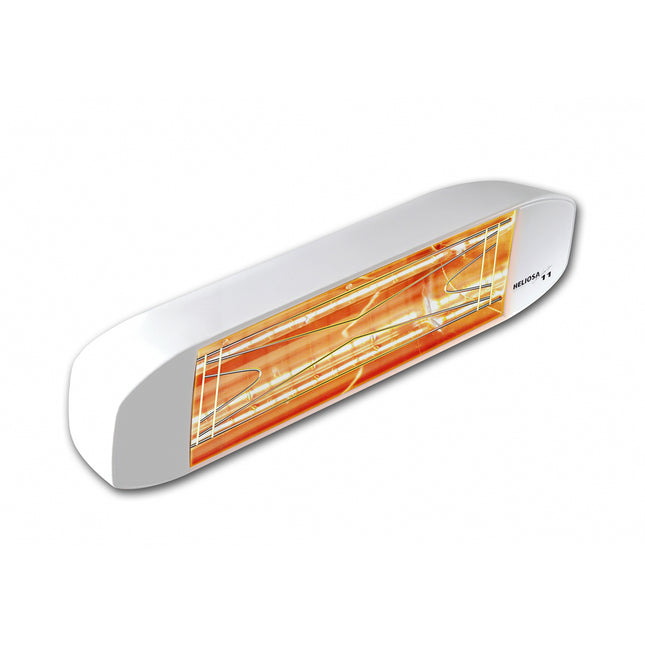
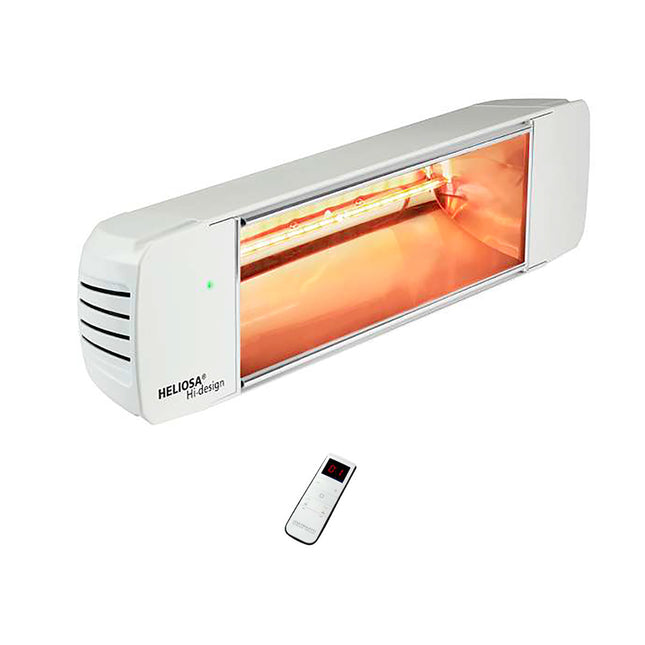
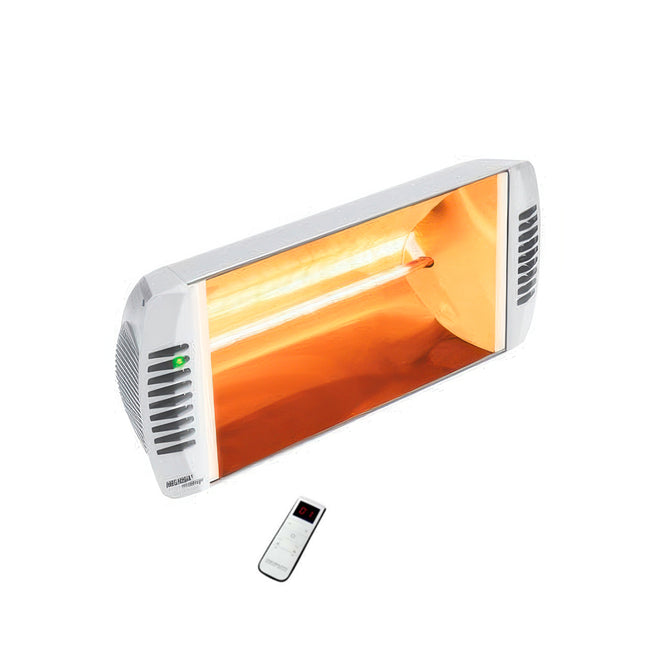
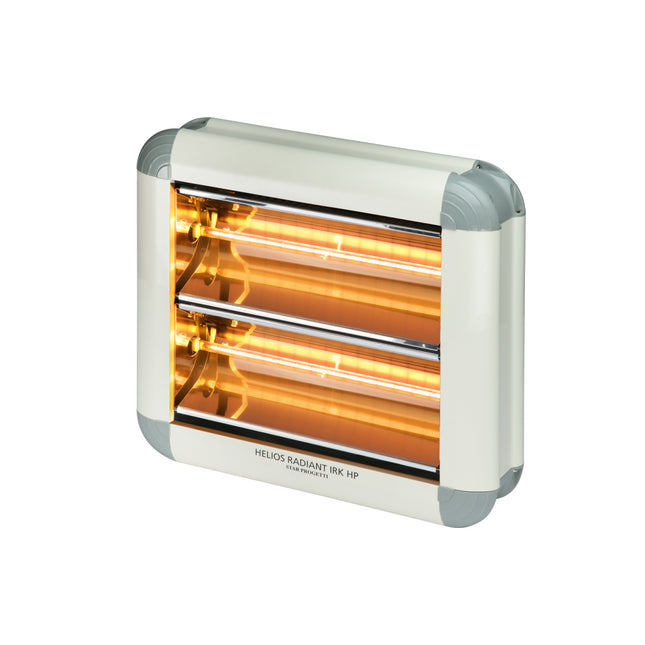
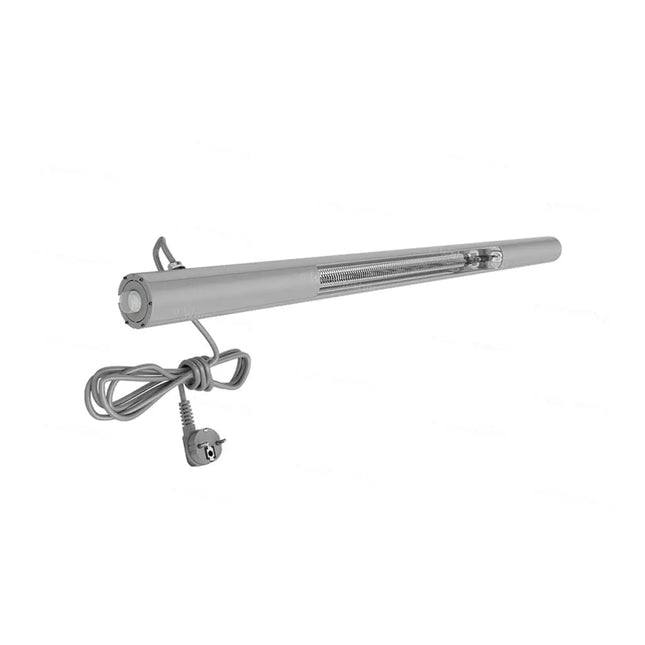
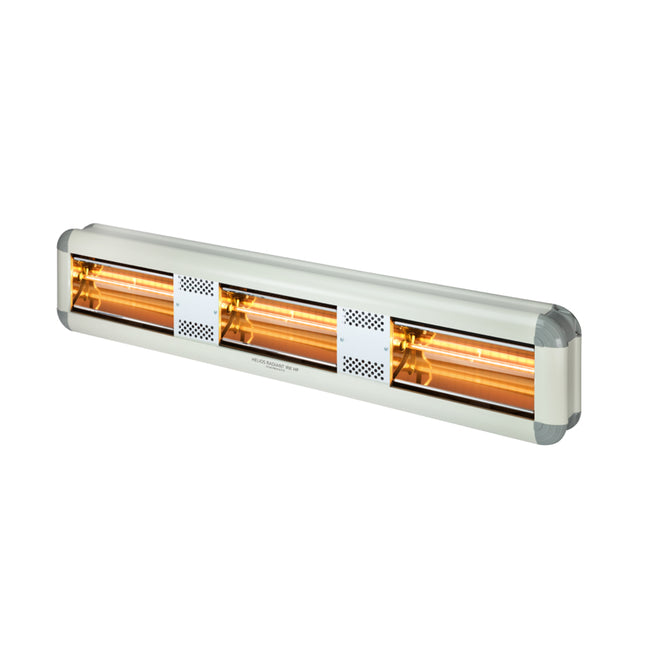
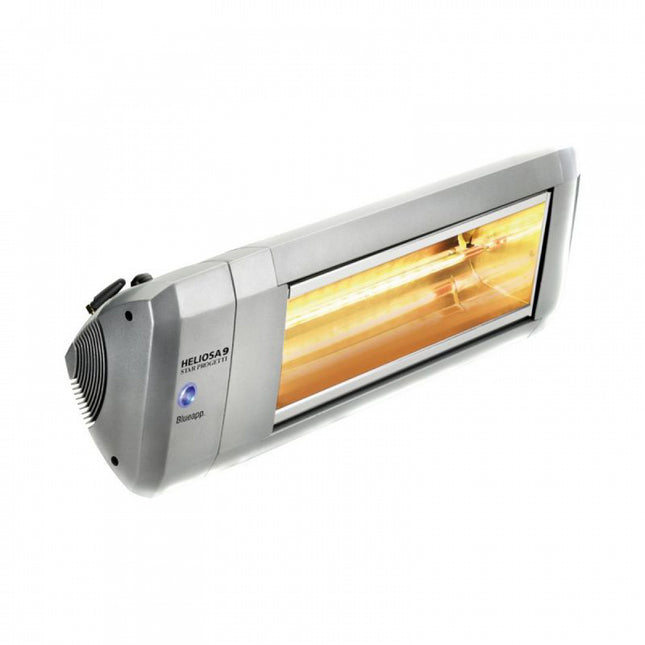
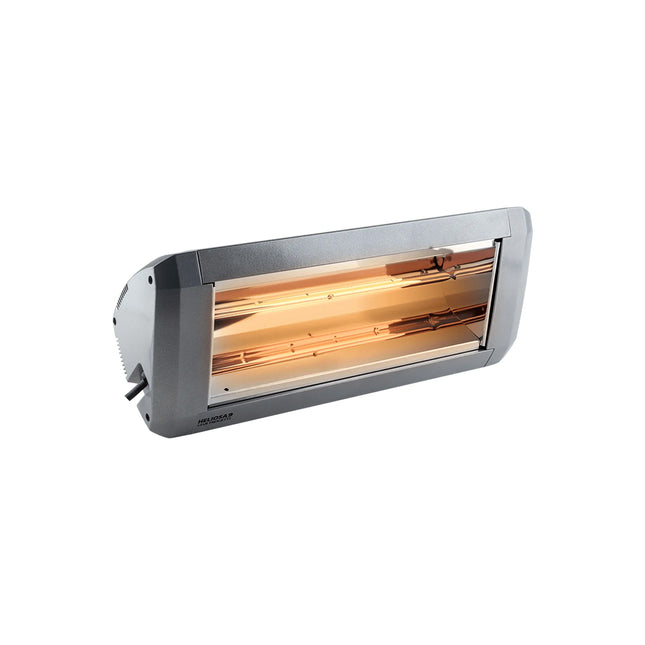
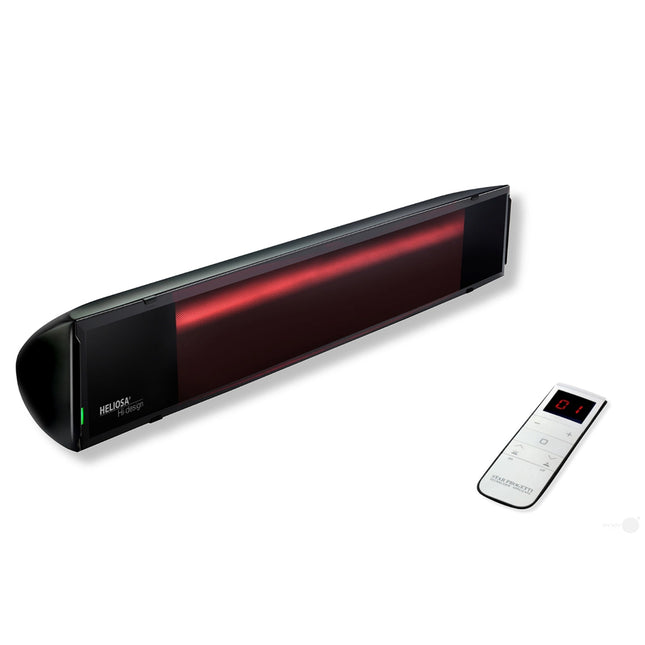
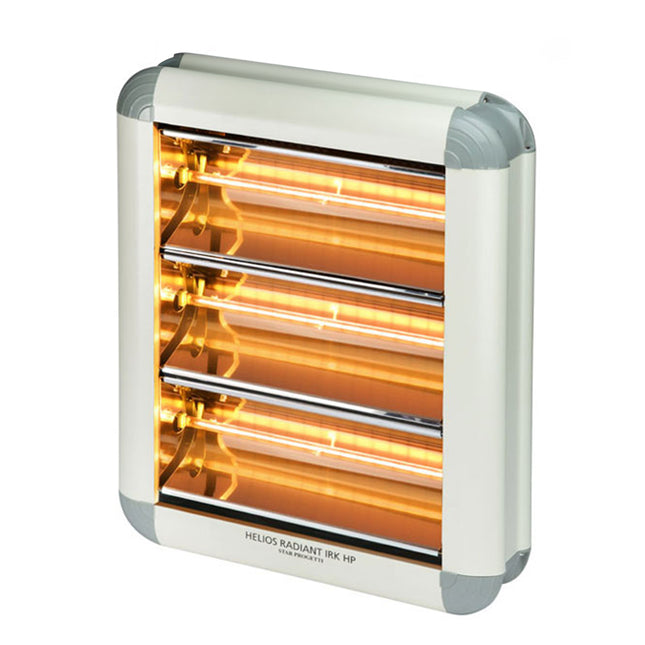
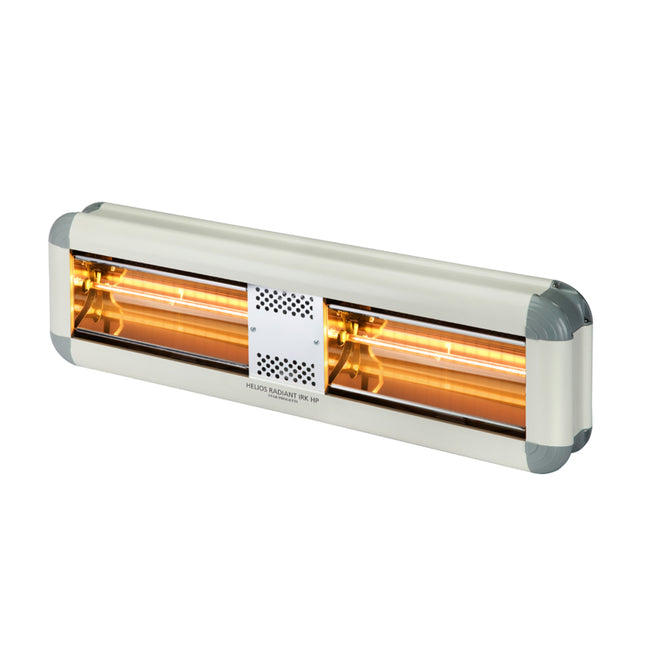
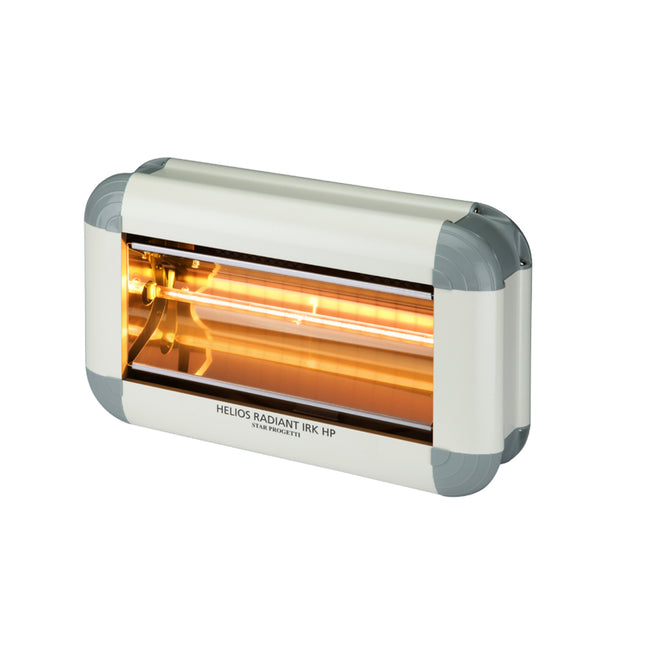

Infrared heating for a garden room makes it the perfect place to enjoy the outdoor feeling all year round with the comfort of indoors. With infrared heating, you create a pleasant and natural warmth there without air circulation or noise. Infrared panels heat objects, walls, and people directly, quickly making your garden room cozy, even on cooler days. An ideal solution for anyone who wants a four-season space with style and energy-efficient comfort.
This infrared garden room heater suits this zone.
Why infrared is ideal for garden rooms
A garden room often has a lot of glass and an open feel. Traditional heating is less efficient there because warm air moves quickly. Infrared heats directly and traps heat in surfaces, keeping the space comfortable without large energy spikes. This makes infrared heating a smart and sustainable solution for garden rooms, conservatories, and glass extensions. For rooms that are heated occasionally, it's especially advantageous because you only heat when you're there.
Heating the garden room with infrared offers extra comfort here. This infrared garden room heater suits this zone.
Applications in different garden room styles
In modern aluminum or glass garden rooms, many users opt for a ceiling-mounted installation, similar to solutions in the infrared panel ceiling. In classic wooden garden rooms, a wall-mounted model often the best fit. For flexible zones such as a dining area or lounge corner, standing infrared panels be used to direct heat to where you're sitting.
For a garden room with sliding walls or a lot of glass, a splash-proof model from our IP44 infrared panel or IP55 panel extra security when spaces are semi-open.
This infrared garden room heater suits this zone.
Design and finishing
Heating a garden room with infrared offers extra comfort. Because the garden room is a living space where atmosphere is important, many users opt for white panels that blend seamlessly into the ceiling. In modern garden rooms with steel and glass, black versions popular for a stylish, luxurious look. For garden rooms with a wellness feel or indoor spa, a mirrored or glass panel perfectly with a serene design.
This infrared garden room heater suits this zone.
Power and heat calculation
For a garden room, we generally recommend a 1000-watt panel or multiple smaller panels for even distribution. For larger or open garden rooms, a 1500-watt model be necessary. Glass content, insulation, and room layout play a significant role. Our consultants perform daily heat calculations specifically for garden rooms, conservatories, and outdoor spaces to ensure your system operates optimally.
This infrared garden room heater suits this zone.
Operation and comfort
Heating a garden room with infrared offers extra comfort. Garden rooms are often used during moments of relaxation, making smart control ideal. Choose a solution with Wi-Fi control to turn on the heat before heading to the garden room, or use an accurate thermostat from our infrared panel thermostat. For direct control and atmospheric heating, you can also opt for panels with a dimming function, similar to our dimmable infrared panels.
Connection with veranda and conservatory heating
A garden room often falls somewhere between an indoor space and a veranda. If your space is partially open, inspiration can be found on our infrared veranda heating. For fully enclosed glass spaces, also check out our infrared conservatory heating , which aligns with conservatories and winter gardens.
Why choose Warmteshop?
Warmteshop has been the specialist in infrared heating for homes and garden rooms since 2006. With more than five thousand panels in stock in warehouses in the Netherlands, Belgium, and Germany, we can deliver quickly and always offer a suitable solution. In our showrooms, we test various models for verandas, conservatories, and garden rooms daily and provide personal advice, including heat calculations. Warmteshop is certified via Trustprofile , which stands for reliability and customer satisfaction.
Visit one of our 30+ showrooms in Antwerp, Ghent, Hasselt, Kortrijk, Brussels, Turnhout, or Culemborg and experience for yourself how infrared heating transforms your garden room into a comfortable four-season space.
Heating a garden room with infrared offers extra comfort here. Would you like to view all models and styles? Then start on the central page about infrared panels for a complete overview of all applications and finishes.

Choosing infrared heating for the garden room
Infrared heating for a garden room provides quick comfort when you use the extra living space. Start with the zones where you sit, read, or work. Next, assess the glass, insulation, and ceiling height. This allows you to select targeted power and avoid heat loss.
Mounting and radiation direction
Ceiling mounting distributes heat downwards and keeps the floor clear. Wall mounting directs heat onto a sofa or desk. Maintain clear distances from glass, wood, curtains, and lighting. A mobile model suits a changing layout but must be stable.
Calculate power
Measure the length, width, and height of the garden room. Note single glazing, sliding doors, open connections, and drafts. A well-insulated space requires less power than an old conservatory. Multiple smaller panels often provide a more uniform thermal distribution.
- Measure the net area per zone.
- Check insulation, glazing, and ventilation.
- Determine the desired mounting height.
- Select power and thermostat.
- Have the electrical connection checked.
Efficient heating with variable use
Heating a garden room with infrared offers extra comfort. A garden room is often empty. With a timer, you only switch on the infrared garden room heating when you are using the space. First, you heat the seating area; then the thermostat reduces the power. Furthermore, closed doors and good sun shading limit heat loss. Ventilate briefly after use to remove moisture.
Moisture and safety
Condensation forms when warm, humid air comes into contact with cold glass surfaces. Therefore, ventilate purposefully and keep exhaust openings clear. Choose a panel that suits the environment and keep connections dry. Have fixed wiring, grounding, and RCD protection installed by a certified electrician. Switch off in the event of water ingress, thunderstorms, or maintenance.
Comfort in every season
In spring, targeted radiant heat extends the evening. In summer, the system usually remains off. During autumn, zone heating makes the room usable for longer. In winter, insulation, windproof profiles, and closed sliding walls help retain heat.
Maintenance and lifespan
Dust the panel with a soft cloth and check cables, plugs, brackets, and screws annually. Do not use harsh cleaners. Have any discoloration, odor, or loose part checked immediately. Keep the manual and serial number for service.
Frequently Asked Questions
Can infrared fully heat a garden room?
Heating a garden room with infrared offers extra comfort here. Yes, provided the insulation and power are calculated correctly. In very drafty rooms, targeted zone heating works better.
Is infrared energy-efficient?
Direct heat limits warm-up time. Consumption depends on power, insulation, temperature, and operating hours.
Which scheme fits?
A thermostat with a timer or app prevents heating when no one is present. Multiple zones provide extra control.
In short: first, measure the garden room. Next, assess the glass and insulation. After that, choose the power output and installation. Furthermore, control only the used zones. Finally, check safety and maintenance. This ensures that infrared heating for the garden room remains comfortable and efficient.
First, you determine the zone. Next, you select the capacity. Furthermore, you check the glass and insulation. After that, you plan the installation. Finally, you test the control system. This ensures that comfort remains stable. Additionally, ventilation removes moisture.