
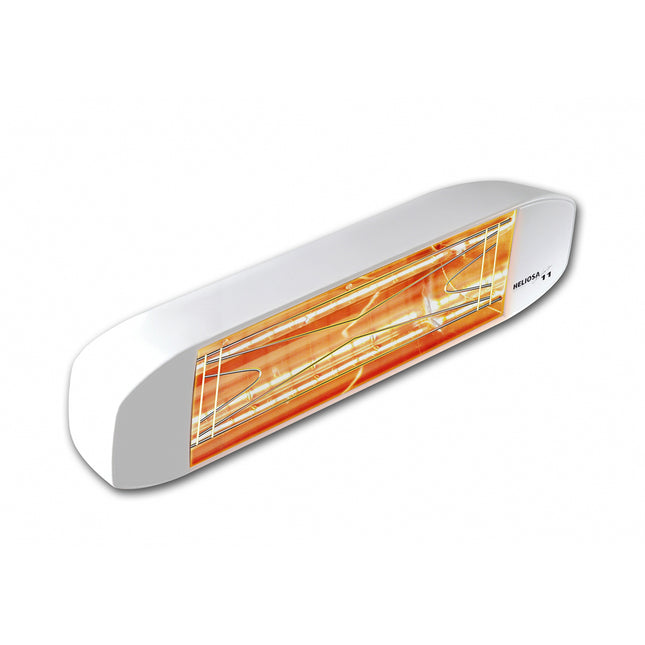
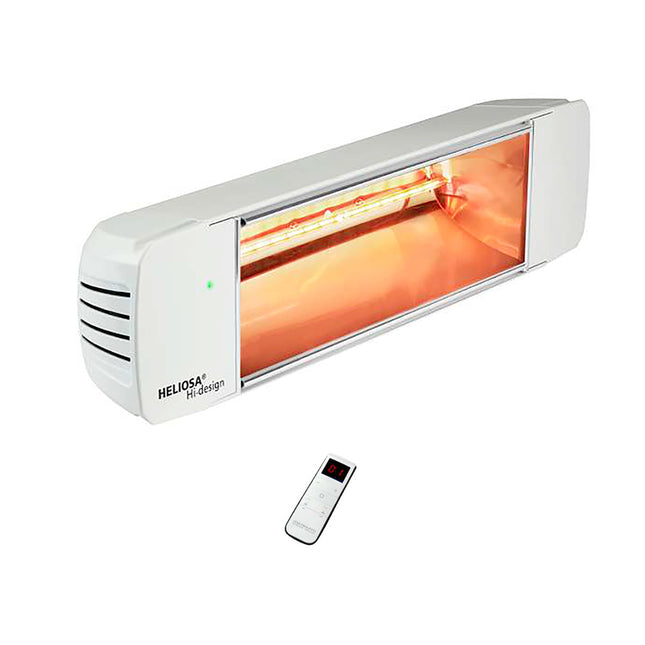
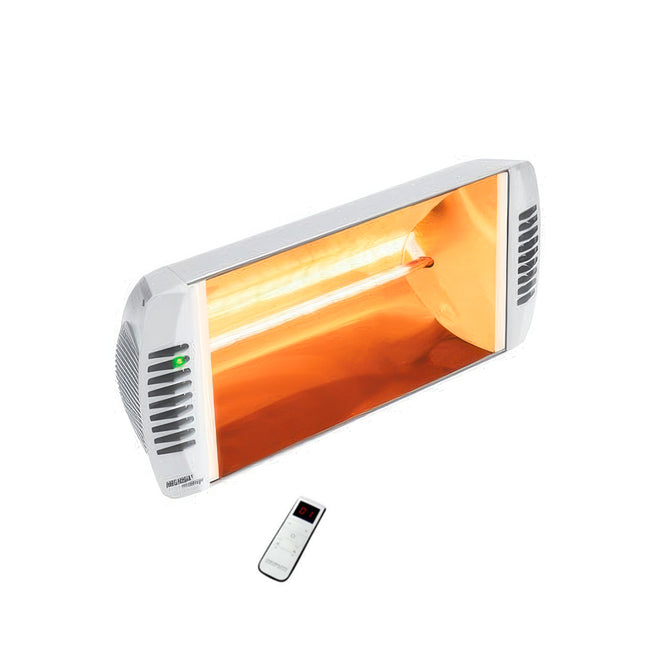
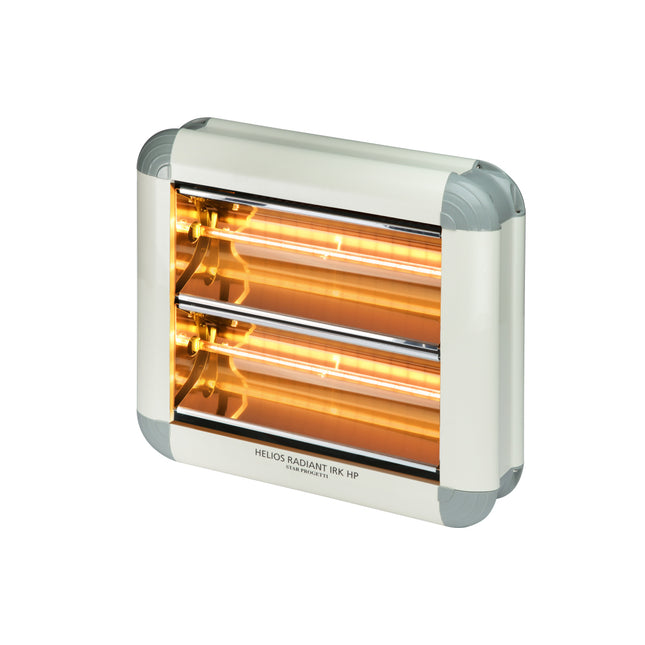
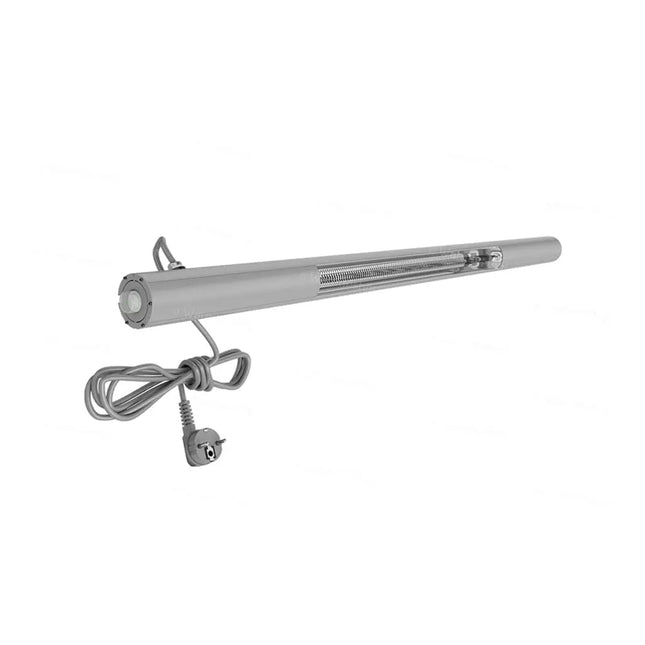
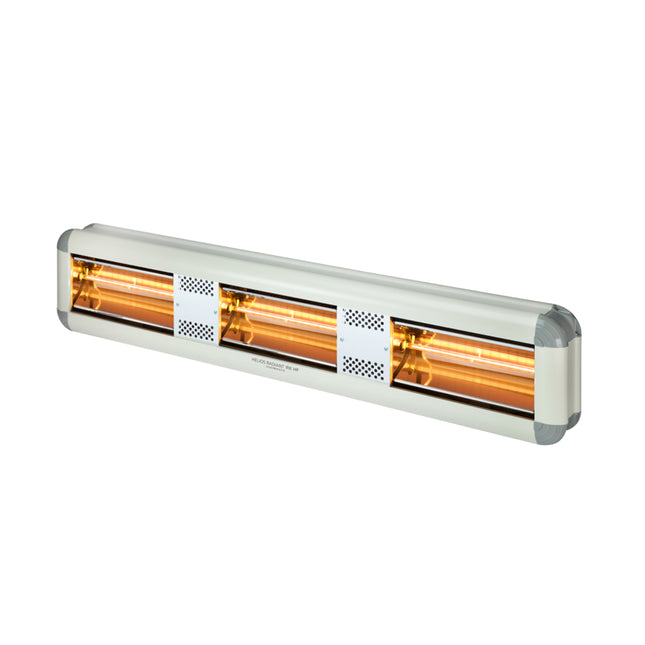
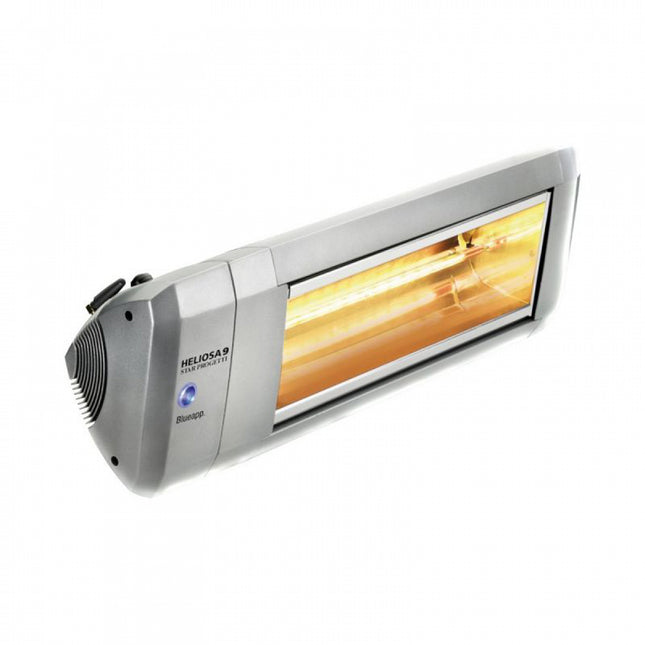
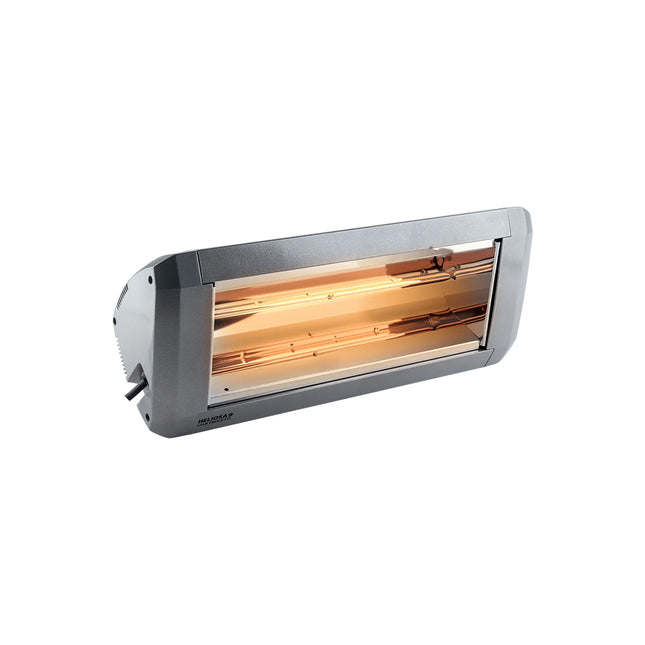
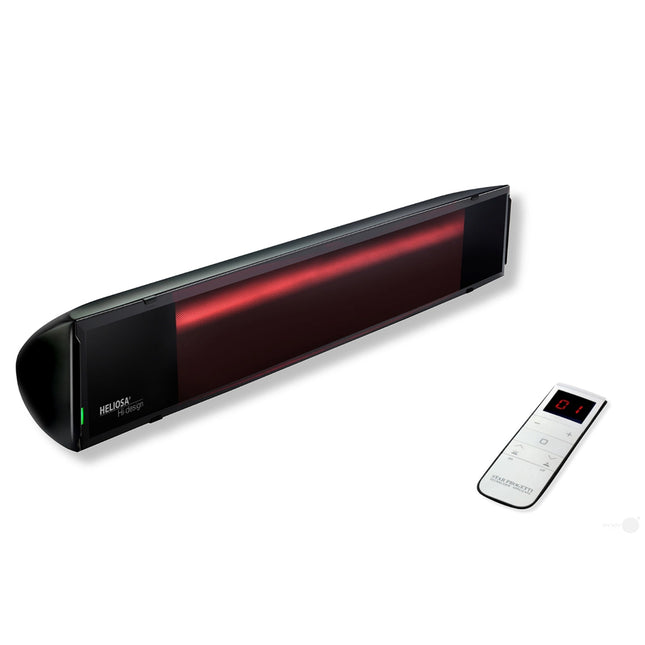
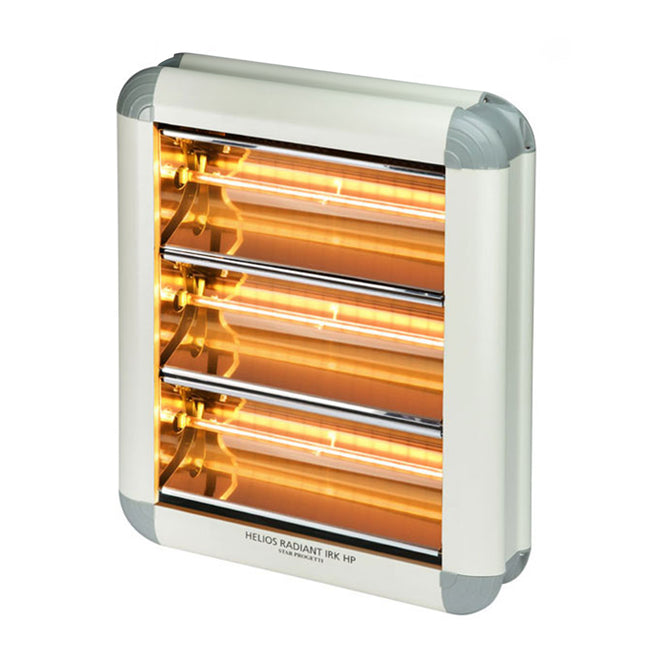
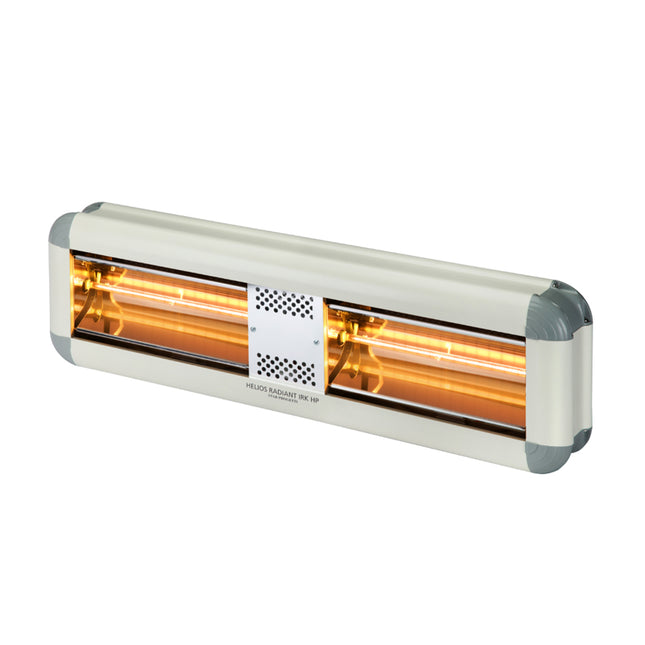
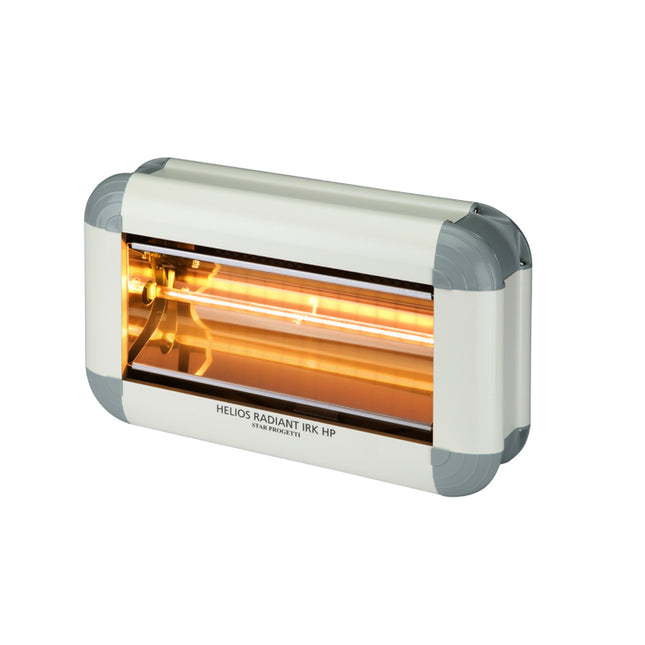

Infrared heating for your veranda provides pleasant, natural warmth, even when it gets chilly outside. Thanks to direct radiant heat, you're not heating the air, but rather people and surfaces, allowing you to sit comfortably outdoors without drafts or heat loss. Ideal for verandas, covered areas, garden rooms, and patios where you want to enjoy outdoor living year-round.
Why infrared is perfect for verandas
Traditional patio heaters blow away warm air in windy or drafty conditions. Infrared panels provide targeted heat that you feel immediately, quickly making your patio comfortable and preventing heat loss. Moreover, infrared is silent, odorless, and maintenance-free. For outdoor spaces, we recommend models with moisture protection comparable to our infrared panel category, IP44 and IP55 solutions , for optimal safety.
Applications in verandas and outdoor areas
Infrared patio heating for verandas offers extra comfort here. In verandas, users often opt for ceiling mounting, similar to solutions within our infrared ceiling panel , so that heat radiates evenly downwards. Freestanding infrared panels ideal for flexible zones or temporary seating areas. In enclosed verandas or garden rooms, this system aligns with our infrared living room heating , as you often combine indoor ambiance with outdoor enjoyment.
For open outdoor corners or partially wind-sensitive terraces, brands such as MO-EL powerful outdoor heating without heat loss. This allows you to create a pleasant seating area in verandas, conservatories, and covered patios.
Design and finishing
For verandas, you often choose discreet models that blend into the ceiling or the wooden structure. Common options include white panels for light verandas and black panels for modern aluminium or industrial canopies. Luxury garden rooms benefit from stylish finishes such as glass panels for an elegant and calming appearance.
Power and heat calculation
Infrared patio heating for verandas offers extra comfort here. In verandas and outdoor spaces, we generally recommend a higher output than indoors. Common wattages include models around 1500 watts or a combination of panels in the 1000-watt for wider heating zones. In semi-open spaces, one powerful panel is often sufficient, while enclosed garden rooms benefit from multiple heating zones. Our advisors would be happy to perform a heat calculation tailored to dimensions, glass surface area, and wind conditions.
Operation and comfort control
For verandas, preferably choose a solution with remote control or app control, similar to our category of infrared panels with Wi-Fi. This allows you to easily regulate the heat from home or via schedules. For direct and manual heat control, you can choose a model with a dimming function similar to our dimmable infrared panels.
Why choose Warmteshop?
Warmteshop has been the leading specialist in infrared heating in Belgium and the Netherlands since 2006, with over five thousand panels in stock distributed across warehouses in the Benelux and Germany. Our showrooms display various veranda configurations and outdoor heating systems so you can experience the warmth for yourself. We are certified via Trustprofile and advise consumers and professionals daily on realistic heat experience, installation, and power output.
Infrared patio heating for the veranda offers extra comfort here. Visit one of our 30+ showrooms in Antwerp, Ghent, Hasselt, Kortrijk, Brussels, Turnhout, or Culemborg and discover how you can use your veranda comfortably all year round with infrared heating.
Also check out our central guide to infrared panels for a complete overview of all styles and applications.

Choosing infrared veranda heating
Infrared veranda heating works best when you first determine the seating areas and usage times. An open veranda requires a different approach than a space with glass sliding walls. Next, assess wind, ceiling height, glass, and insulation. This way, you direct heat at people and surfaces, not at empty outside air.
Ceiling or wall mounting
Infrared patio heating for the veranda offers extra comfort here. A ceiling panel radiates downwards, keeping the floor clear. Wall mounting directs heat onto a bench or table. Maintain clear distances from wood, fabric, lighting, and glass. A portable unit offers flexibility but must be placed stably and must not obstruct passage.
Power per zone
Measure the length, width, and height, and note any open sides and drafts. A sheltered veranda requires less power than a fully open terrace. Multiple panels distribute the heat more evenly. If in doubt, have a heat loss calculation performed.
- Determine the comfort zones.
- Check wind and insulation.
- Select mounting height and beam direction.
- Calculate the total assets.
- Plan safe cabling and control.
Efficient use in every season
A veranda is often empty for part of the day. With a timer, you only switch on the infrared veranda heating when you are sitting outside. First, you heat the occupied zone; then the thermostat reduces the power. Moreover, closed glass walls limit heat loss. In the summer, the system remains off, and sun shading and ventilation ensure comfort.
Moisture and electrical safety
Infrared patio heating for the veranda offers extra comfort here. Rain, splashing water, and temperature fluctuations require suitable IP protection. Keep connections dry and have fixed wiring, grounding, and RCD protection installed by a certified electrician. Switch off during thunderstorms, water ingress, or maintenance. Do not hang decorations or clothing on the panel.
Maintenance and storage
Dust the surface with a soft cloth and check cables, plugs, brackets, and screws annually. Do not use harsh cleaners. Have any discoloration, odor, or loose parts checked immediately. Store portable panels in a dry place when not in use of the veranda.
Frequently Asked Questions
Is infrared suitable for an open veranda?
Yes, especially for targeted zone heating. Protection against wind increases comfort and reduces the required power.
How high should I mount a panel?
Infrared patio heating for the veranda offers extra comfort here. Follow the manufacturer's instructions and maintain all clearances. The correct height depends on power output, beam angle, and seating height.
Can I manage multiple zones?
Yes, with separate thermostats or smart control. This way, you only heat the table or lounge area that is in use.
In short: first, measure the veranda. Next, choose the power output and mounting. After that, check the IP protection and cabling. Additionally, use timers for short periods. Finally, maintain the panel. This ensures that the infrared veranda heating remains safe, comfortable, and efficient.
First , measure the veranda. Next, select the capacity. Additionally, check the IP protection. Then , plan the installation. Finally, test the control system. This ensures the heat remains comfortable.