

Infrared underfloor heating for a comfortable and energy-efficient indoor climate
With infrared floor heating, you choose a modern, efficient, and comfortable heating method that is suitable for virtually any room. This form of electric heating utilizes long-wave radiant heat that is directly absorbed by people, furniture, and surfaces. This creates a warm and pleasant living environment without air circulation or temperature loss. Infrared floor heating is becoming increasingly popular in both homes and commercial spaces due to its fast response time, low energy consumption, and high efficiency. The system is ideal for renovations, modernizations, and projects where traditional floor heating is too complex, too slow, or too expensive.
How exactly does infrared underfloor heating work?
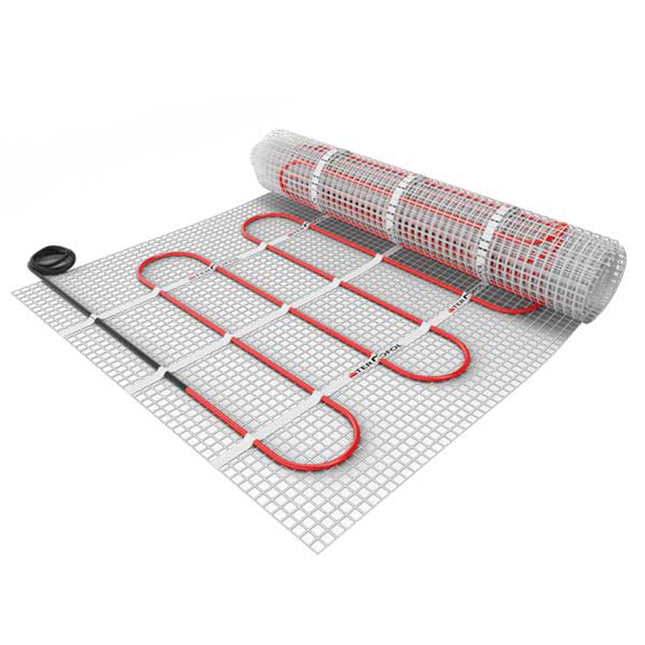
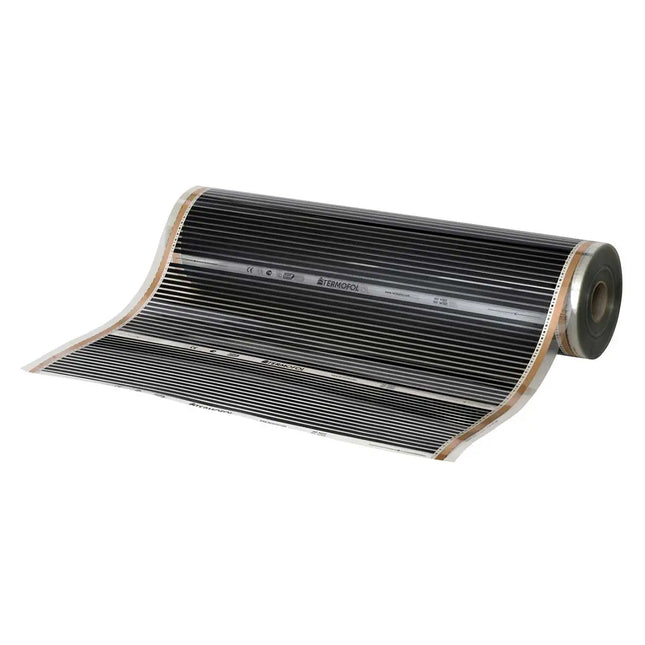
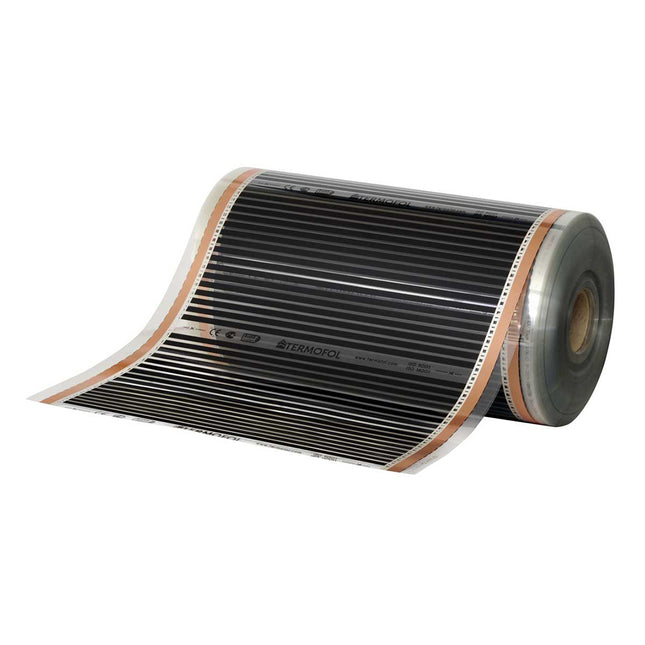
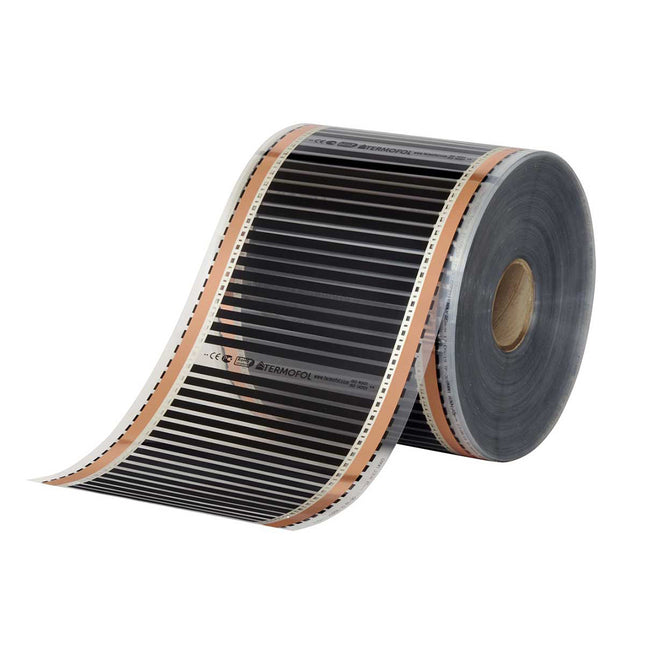
Infrared underfloor heating works with a thin heating foil or panel elements that are placed directly under the floor finish. Unlike water-based underfloor heating, infrared does not first heat up a thick construction layer, but radiates heat directly into the room. This heat feels like natural sunlight and is experienced as particularly comfortable. Because infrared radiation heats objects rather than air, the temperature in the room remains stable for longer and there is less heat loss. This makes the technology efficient and suitable for homes with varying use, for renovation projects, and for situations where you only want to heat a few zones. In combination with a smart thermostat, you can easily control individual rooms or sections of space.
Why infrared underfloor heating is so energy efficient
One of the biggest advantages of this system is its low energy consumption. Infrared produces heat through radiation rather than air heating, allowing the temperature to be set at a lower level while maintaining a higher level of comfort. Because the system responds instantly and takes only a few minutes to deliver heat, it does not need to be on continuously like traditional underfloor heating. Furthermore, radiant heat warms the floor surface evenly, resulting in high efficiency, even in larger rooms or poorly insulated areas. Many users find that they can save up to twenty to thirty percent with infrared compared to traditional convection systems, especially when heating smartly per zone. Read more about efficiency in Is infrared heating economical?
Applications of infrared underfloor heating in homes and businesses
The possibilities are very diverse. In living rooms, the system ensures warm floors without cold spots and even heat distribution. In bedrooms, it creates a pleasant sleeping environment free from noise and air circulation. Bathrooms benefit from the fast warm-up time, which limits condensation and makes the room comfortably warm within minutes. In offices, infrared floor heating is increasingly being used because it is an energy-efficient way to quickly heat workspaces or meeting rooms. For attics, conservatories, garden sheds, and hobby rooms, this system provides an excellent solution where traditional floor heating is too slow or too intrusive. As an addition, you can easily combine it with a wall-mounted infrared panel, a ceiling panel , or a free-standing infrared heater.
Which type of infrared underfloor heating is best suited to your floor?
The suitable system depends on the floor construction and the desired comfort level. For laminate, PVC, parquet, and wooden floors, thin infrared foil is ideal because it reacts very quickly and adds hardly any extra height. For tiled floors or natural stone, infrared heating elements with a slightly higher output are more frequently used to effectively heat the heavier floor coverings. Under-rug infrared heating available, a solution that allows you to create localized underfloor heat in seating areas, at a desk, or in hobby rooms. Warmteshop helps you determine which installation best suits your floor, insulation, and energy consumption.
Comparison with traditional underfloor heating
Traditional water-based underfloor heating provides even heat throughout the room but has a long warm-up time and often continues to emit heat for hours when you no longer want it. Infrared underfloor heating, on the other hand, works quickly, stops heating immediately when you want it to, and offers much higher energy efficiency in homes that do not need to be heated continuously. Moreover, infrared does not use tubes, pipes, or pump installations, making the system maintenance-free and easy to install. For renovation projects, infrared is sometimes the only realistic option because no major alterations are required. Research (published on energy.ec.europa.eu, among others) shows that electric radiant heating can be very efficient when used smartly, especially in combination with local electricity generation such as solar panels.
Infrared underfloor heating in renovation projects
Infrared floor heating comes into its own perfectly during renovations. Many homes have floors that are not suitable for routing water pipes or where raising the floor structure is undesirable. Infrared foil is only a few millimeters thick and can be installed directly under laminate or PVC flooring. This creates a system that offers comparable comfort without extensive renovations. Additionally, infrared heating can be applied per room, which is a major advantage in older homes with varying usage patterns. By opting for zone heating – for example, in combination with a wireless thermostat – you limit energy consumption and increase control.
Health and living comfort
Because infrared radiates heat rather than heating the air, less dust is moved. This is a major reason why people with asthma or allergies find this type of heating pleasant. The heat feels soft and natural and prevents dry air, something that frequently occurs with traditional heating systems. Furthermore, the even heat distribution contributes to a relaxed living environment. Floor infrared is therefore an ideal choice for spaces such as yoga or studio rooms, children's rooms, or workspaces. In combination with a wall or ceiling panel, a very constant and comfortable indoor climate is created.
Consumption, power and costs
The power required for infrared floor heating depends on the insulation, floor construction, and use of the room. As a guideline, 50 to 70 watts per square meter may suffice in well-insulated rooms, while older homes may require more power. Warmteshop always calculates the required power based on your floor type, surface area, and preferences. For more insight, you can consult our articles such as " How many watts do I need?" or the comprehensive comparison of infrared heating. For an overview of costs per hour and per month, you can visit our knowledge blogs on consumption and efficiency.
Installation and ease of use
Installing infrared underfloor heating is surprisingly simple. Most systems are supplied as a thin, electrically powered sheet that can be rolled out directly over the subfloor. After installing a suitable underlay and connecting the thermostat, the floor covering is reinstalled. Installation time is short, and the system is ready to use immediately. For larger projects or if you need additional advice, the Warmteshop team is ready to assist. The system operates quietly, vibration-free, and requires no maintenance. Its fast response time makes it suitable for homes with flexible operating hours and for situations where you don't want constant heating.
Why choose Warmteshop?
Warmteshop has been a leader in infrared heating in the Benelux since 2006. With over 5,000 panels in stock and large warehouses in the Netherlands, Belgium, and Germany, we deliver quickly throughout the region. Our specialists have extensive experience with both residential and commercial projects and assist you with heat calculations, installation advice, and selecting the right system. Thanks to more than 30 showrooms , you can experience the products firsthand and receive expert advice directly. Warmteshop is certified via Trustprofile, which stands for reliability, transparency, and quality service.
More information and further information
Would you like to learn more about how infrared works or discover which types are available? Then also check out our pages on ceiling-mounted infrared panels, wall-mounted infrared panels , or freestanding infrared heating. Are you considering combining floor infrared with other systems, or are you curious about energy efficiency? Then our articles " Is infrared heating efficient?" and "Infrared heating or heat pump?" are interesting to read through.
Back to the full overview
Discover Warmteshop's complete range of infrared panels and determine which solution best suits your home or project.