
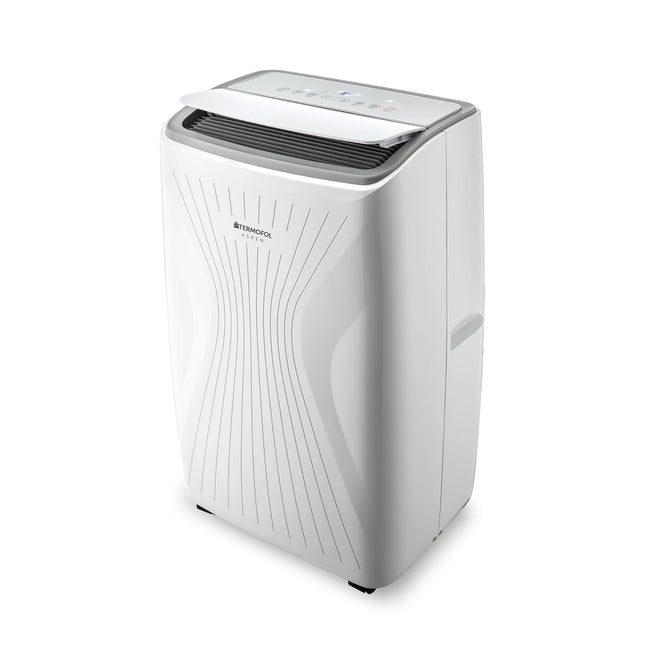
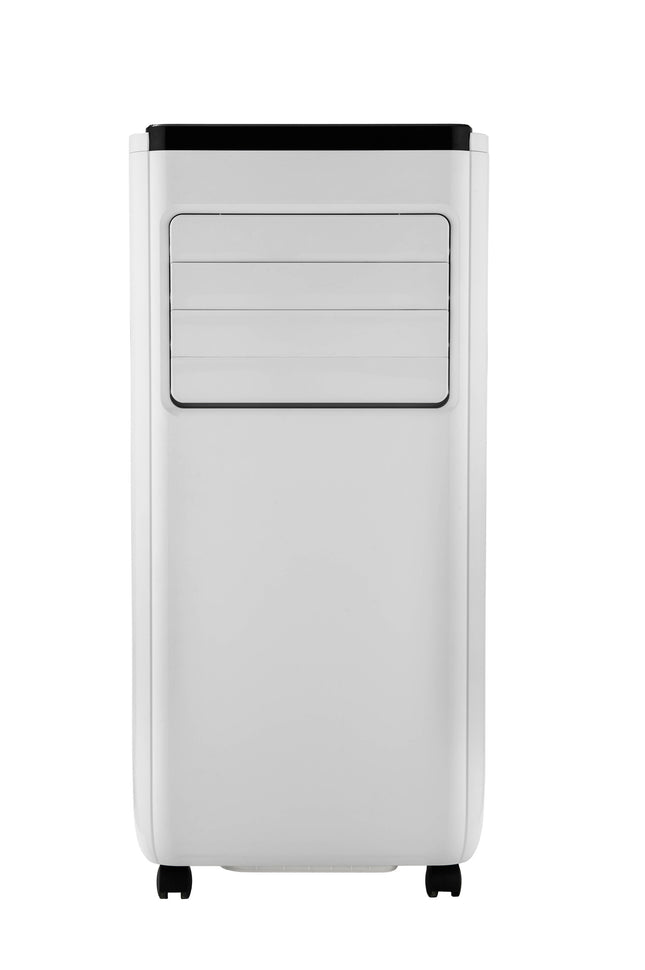
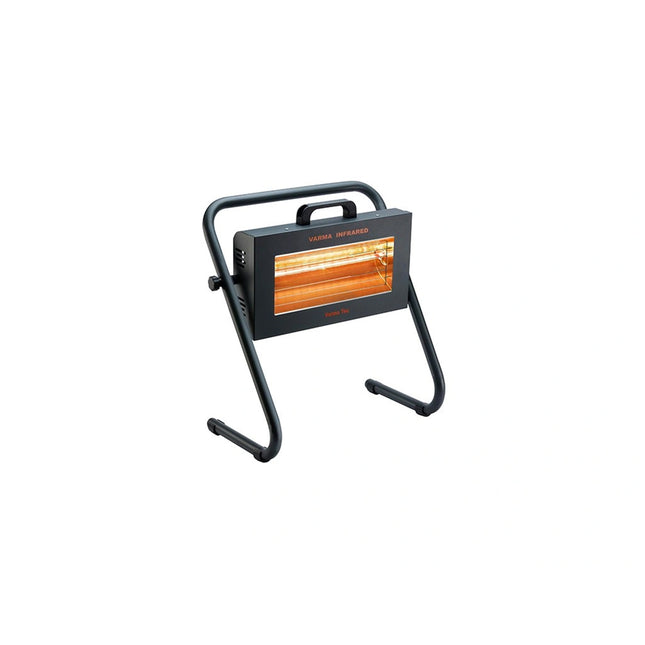

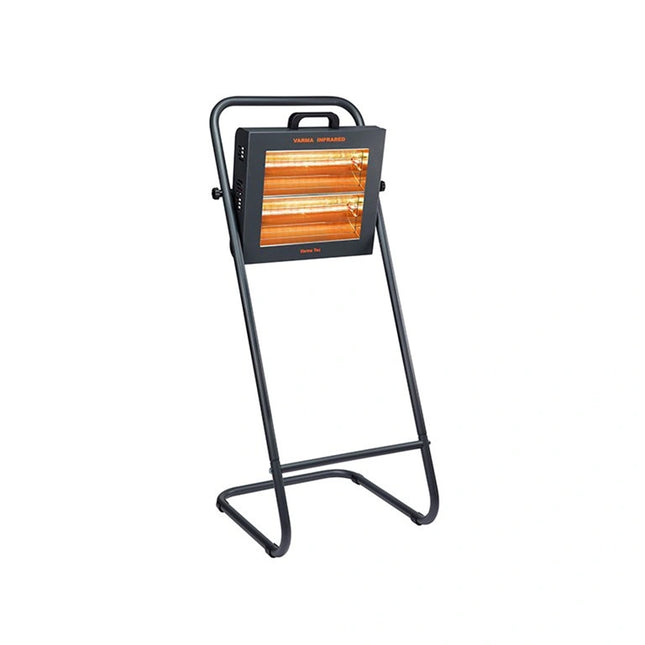

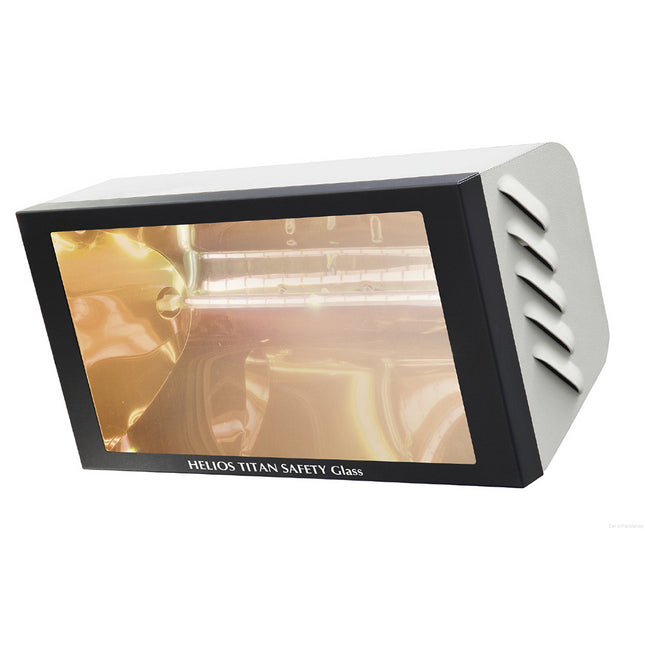

Portable infrared heating: heat where you need it
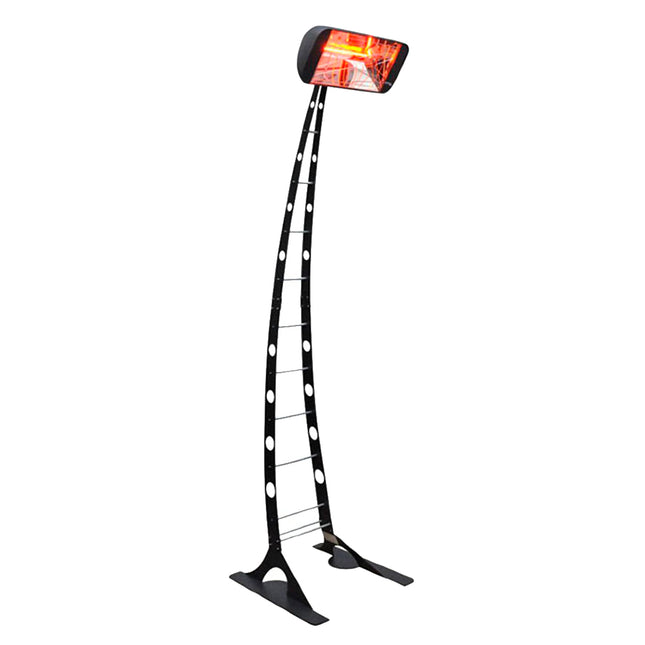
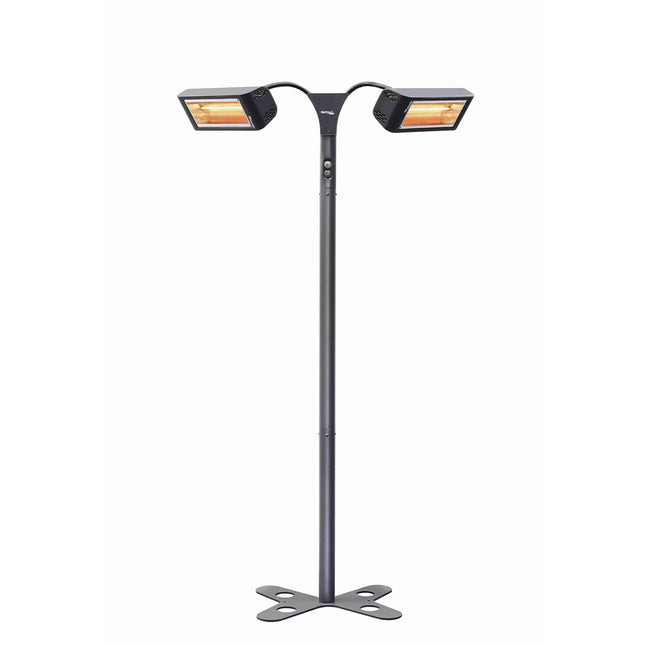
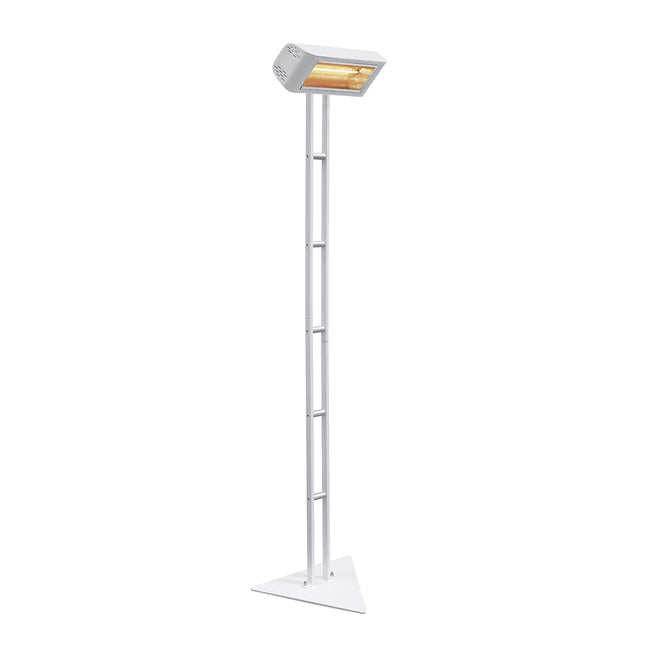
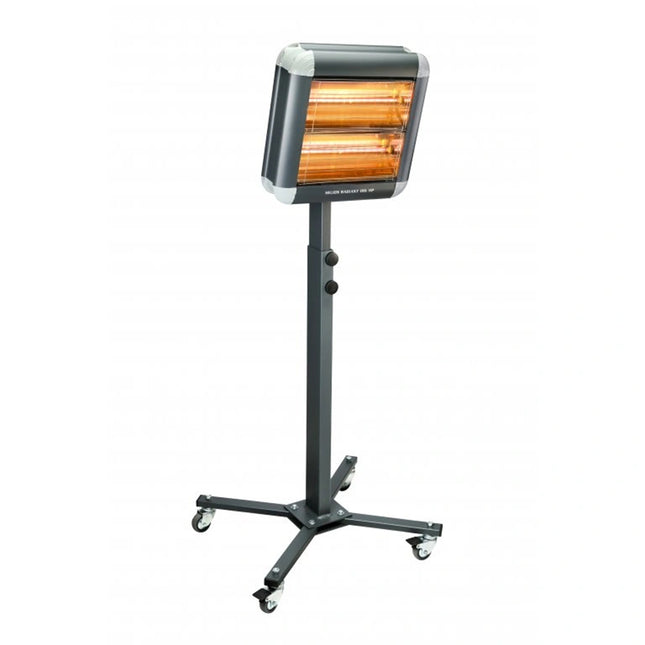
Portable infrared heating is a flexible solution for those who want to heat a specific workspace, seating area, or temporary space. The unit stands on a stable base or is easily moved and operates electrically. As a result, you do not require permanent installation and can use the heat whenever you are present.
Infrared radiation heats people and surfaces directly. As a result, the heat is quickly felt in the area in front of the device. The best choice depends on space, power, duration of use, safety, and the available connection. This guide helps customers in Belgium and the Netherlands make an informed choice regarding a portable infrared device.

The selection in brief: first, you determine the zone. Next, you choose the power output. Additionally, you check the floor and stability. Furthermore, you examine the cable routing. After that, you set the thermostat. The clearance around the unit also counts. This ensures that infrared heating remains safely portable. As a result, you prevent unnecessary consumption. Moreover, you can adjust the heat per room.
How does portable infrared heating work?
An electric element heats the panel or heater. The device then emits infrared heat towards people, furniture, and walls in the direct line of sight. These surfaces absorb the radiation and gradually release the heat. Unlike a fan heater, the device moves very little air.
The radiation works best when you sit directly or at an angle in front of the panel. A cupboard, screen, or thick curtain can obstruct the thermal image. Therefore, move the device to the zone you are actually using and check the clearance after each move.
When is a movable solution a good option?
- temporary workplaces or home offices;
- a seating area that does not use the entire living room;
- a hobby room, conservatory or garage;
- a guest room or holiday home;
- extra comfort when the fixed heating is insufficient;
- a temporary construction or renovation zone.
Additional requirements apply to damp rooms, such as a bathroom. Only use a model with the correct protection class there and have the installation checked. For a permanent solution, you can also infrared heating for the bathroom .
Movable as opposed to fixed mounting
A mobile device offers freedom and requires little installation. On the other hand, you need a power outlet, the cable may be visible, and the device takes up floor space. A fixed ceiling or wall panel has a fixed line of sight and a neat cable route, but is less flexible.
Choose movable for variable use. Choose fixed when the same zone is heated daily and you want to keep the floor clear. A combination is also possible: fixed base heating with mobile extra heat for cold spells.
Choosing the right power for portable infrared heating
The wattage determines the maximum heat the device can deliver. Consider the surface area, ceiling height, insulation, windows, drafts, and the desired temperature. A small portable device can heat a seating or work zone, but is not automatically suitable for an entire living room.
- measure the length, width, and height of the room;
- note exterior walls, windows and doors;
- determine how many hours per day you use the zone;
- check whether the heat is needed locally or everywhere;
- If in doubt, have a heat loss calculation performed.
A bedroom often requires less power than a poorly insulated garage. Place the unit closer to the user when you want to increase local comfort. For permanent or larger applications, you can infrared heating for the bedroom as a reference.
Infrared heating control is portable
A simple switch is suitable when you heat manually. A thermostat switches off automatically as soon as the set temperature is reached. Programmable models help establish a daily or weekly routine. Do not place the sensor right next to the appliance, in direct sunlight, or near a drafty door.
Check the maximum power rating of the plug, cable, and circuit. Do not use a power strip that is not suitable for the power consumption. Switch off the appliance before moving it.
Portable infrared heater, safe to use
A portable heater must be placed on a flat, stable surface. Keep curtains, paper, clothing, and other flammable materials away. Never cover the device and do not leave it operating unattended in a room with children or pets. Use only the original base, plug, and safety device.
Do not leave the cable lying on a walkway. After moving, check that the plug is fully inserted and that the device cannot fall over. Do you smell a burning odor, see damage, or does the fuse trip? Then switch it off immediately and have an electrician investigate the cause.
Realistically assess energy consumption
The maximum consumption is derived from the wattage. An 800-watt appliance consumes a maximum of 0.8 kWh per hour at full power. In practice, a thermostat switches off when the zone is warm enough. The actual costs depend on the operating time, insulation, outside temperature, and your electricity tariff.
Heat only when you are present. Furthermore, zone heating helps prevent the entire home from being heated. Keep doors closed and limit drafts. This ensures the heat remains in the used zone for longer.
Maintenance of portable infrared heating
Dust the surface and the base with a dry, soft cloth. Do not use water or harsh cleaners on electrical parts. Check the cable, plug, base, and mounting points before each season. Store the device dry when not in use for extended periods.
Applications in the office and workshop
In an office, portable infrared heating can heat a flexible workspace without affecting the entire room. In a workshop, short-wave radiation is sometimes suitable for a targeted work zone, but always check the radiation intensity, mounting height, and fire safety. For a desk zone , desk heating be a supplementary solution.
Do not use portable heating as a substitute for mandatory ventilation or source extraction. Discuss industrial applications with a specialist familiar with the environment and the process.
Why Warmteshop?
Warmteshop advises customers in Belgium and the Netherlands on portable and fixed infrared solutions. You can view various models in our showrooms . You can find independent reviews via Trustprofile .
Frequently Asked Questions
Can I use a portable infrared device in every room?
Use it only in a dry room, unless the manufacturer specifies a damp application and the correct IP class. Always observe safety distances.
Is portable infrared heating suitable as primary heating?
It is usually intended for a zone or temporary supplementary heating. For primary heating, a calculation of the total heat requirement is necessary.
Does a portable infrared panel make noise?
The panel itself usually operates silently because it does not use a fan. A thermostat, however, can switch audibly.
May I leave the device switched on while moving it?
No. Switch off, unplug the device, and do not move it until it can be placed down safely and stably.
Discover the full range
Compare models, power outputs, and mounting methods in the range of infrared panels. This way, you choose portable infrared heating that suits your space, usage, and safety requirements. Ask for advice if you are unsure about power output, thermostat, or connection.