
Buying a patio heater: how to choose the right outdoor heating
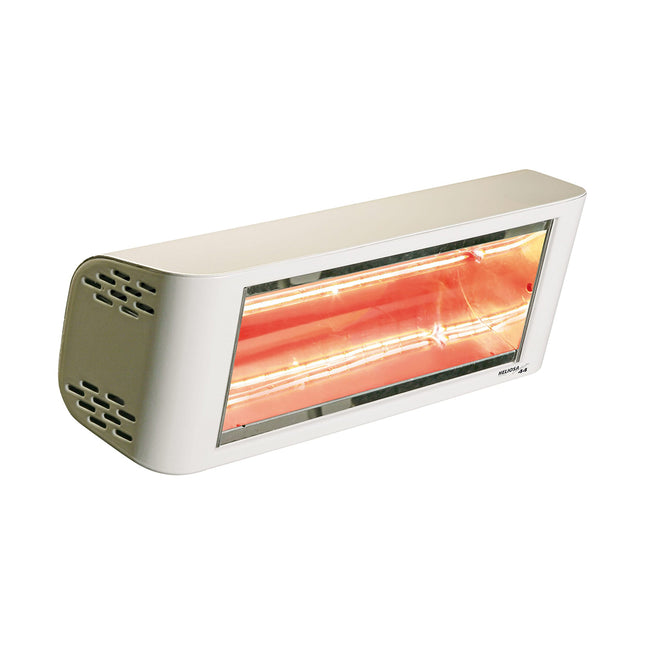
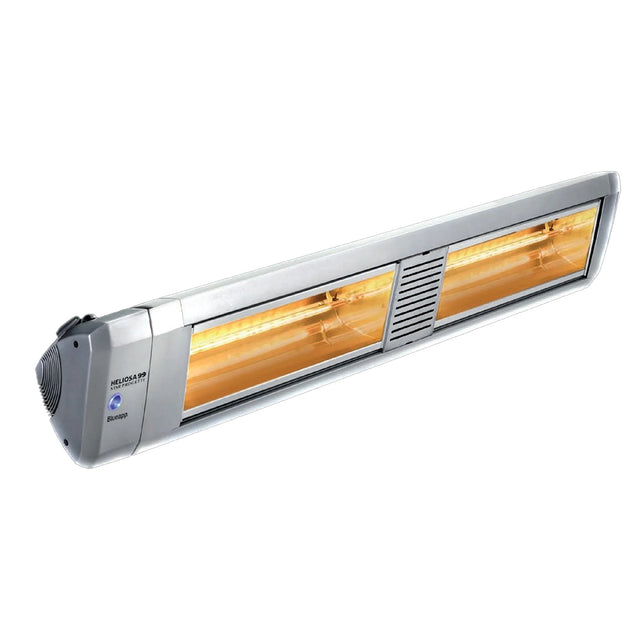
With a patio heater , you can make a seating area comfortable even on chilly days. Electric infrared heating directs heat at people and surfaces instead of first heating the entire outside air. As a result, you feel the warmth quickly. However, the best choice depends on the shelter, dimensions, and placement. At Warmteshop, you will find models for open terraces, balconies, verandas, covered areas, and the hospitality industry. Furthermore, you can choose from wall-mounted, ceiling-mounted, and freestanding models.

Which patio heater suits your outdoor space?
First, look at the area you actually want to heat. A twenty-square-meter terrace does not automatically require heating over the entire surface. Often, you primarily want to make the dining table, lounge area, or work zone comfortable. By thinking in zones, you make more targeted choices and avoid unnecessary power.
Next, assess how much wind and draft reaches the seating area. An open garden requires a different radiation intensity than a nearly enclosed veranda. Also pay attention to mounting height, radiation angle, distance to people, and the existing electrical connection.
Open and windy terrace
For an open terrace, a short-wave infrared patio heater often the most logical choice. This type delivers targeted, immediately palpable radiant heat. Wind can still affect comfort, but short-wave generally performs better in open conditions than a softer infrared heater. View our patio heaters for wall or ceiling mounting.
Sheltered veranda or canopy
In a sheltered outdoor space, heat lingers longer around the seating area. Therefore, a medium-wave model or dark radiator work well here. This provides a quiet heating experience with little to no visible glow. However, always check the minimum distances to the ceiling, walls, fabric, and flammable materials.
Balcony or compact city garden
A balcony usually requires targeted heat and a compact installation. A tiltable wall-mounted model keeps the floor clear and directs the radiation onto the chair or table. Check house rules, available space, and permissible electrical load in advance. Additionally, choose an IP rating that matches the exposure to moisture.
Short wave, medium wave, or long wave?
Not every electric heater provides the same type of heat. The wavelength, the element, and the reflector together determine how intense the radiation feels. Therefore, compare more than just the wattage on the rating plate.
- Short wave: fast and powerful heat, often with a visible glow. This type is well suited for open or semi-open terraces.
- Medium wave: a balance between direct heat and a calmer light. As a result, it often works well under a canopy.
- Long wave or dark radiator: softer heat without noticeable red light. This technique is best suited for a sheltered room.
a radiator is not automatically better than a short-wave heater. The orientation of the terrace determines which technology provides the most comfort.
Patio heater for canopy or veranda
Under a roof, ceiling height and ventilation play a major role. Position the patio heater so that the radiant beam reaches the seating area. Follow the mounting height and clearances specified in the product manual. A unit placed too high will feel less intense, while mounting it too low can be uncomfortable or unsafe.
Additionally, pay attention to the material of the canopy. Wood, plastic, textile, and glass each require appropriate spacing and mounting. Never use a random built-in frame. Choose only a frame and heater that the manufacturer has explicitly approved for built-in installation. Also, view our infrared heating for canopies.
How many watts and heating range do you need?
The required power depends on more than just the number of square meters. Wind, outdoor temperature, mounting height, beam angle, and reflector influence the result. The desired comfort level also plays a role. A universal watt-per-m² rule can therefore only serve as a first indication.
First, measure the zone where people actually sit. Next, determine whether that zone is open, semi-open, or sheltered. Then, compare the stated heating range under comparable conditions. Manufacturers can determine the range in different ways. If in doubt, request a heating plan based on photos, dimensions, and mounting points.
One powerful heater or multiple smaller models?
For a long table or wide lounge area, two units placed in a targeted manner often provide a more even result than a single central heater. Furthermore, you can switch on zones individually. One powerful patio heater, on the other hand, is simpler when you are heating only a single compact seating area.
IP rating and protection against moisture
The IP code indicates how well the housing protects against contact, dust, and water. The value you need depends on the mounting location and the direction in which rain or splashing water can reach the device. A roof over the heater does not automatically mean the spot will remain dry; wind can blow rain under the canopy.
Therefore, check the full IP code in the product specification. Also, follow the manual for the permitted mounting position. Never hang a heater in an environment wetter than it was designed for. Ensure that the socket, plug, and any dimmer are also suitable for the outdoor environment.
Wall mounting, ceiling mounting or stand
Wall or ceiling heater
Fixed mounting keeps the floor clear and provides a predictable beam angle. This makes this version suitable for a canopy, facade, or restaurant terrace. Before drilling, determine where people sit and where the cable can run safely. Compare our wall and ceiling models.
Freestanding patio heater
A patio heater on a stand offers more flexibility. This allows you to move the heat along with your seating area. Be sure to choose a stable base and position the cable out of reach. Additionally, check if the unit has tip-over protection. You can also find separate stands for a suitable combination .
Electrical connection and available circuit
A high-power heater places a significant load on the circuit. Therefore, check in advance how much power the circuit, wiring, plug, and controls can handle. Do not connect multiple powerful appliances to the same circuit without calculation. A certified electrician can assess whether a separate circuit is required.
Use only suitable connection material outdoors. Avoid coiled extension cables and protect connections against moisture and tripping hazards. In the case of permanent mounting, the switch or control unit must also be suitable for the connected power.
Operation with dimmer, remote control or app
With power control, you adjust the heat to the weather and the number of guests. As a result, a patio heater does not always have to operate at the highest setting. A remote control is convenient for ceiling mounting, while app control is suitable for fixed zones that you use regularly.
Check whether the selected controller matches the brand, element type, and total power. Using a random dimmer can cause malfunctions or overloading. View our suitable dimmers, replacement bulbs , and accessories.
How much does a patio heater cost to use?
You calculate the maximum consumption using a simple formula: power in kilowatts × operating time in hours × electricity price per kWh. A 2 kW appliance consumes a maximum of 2 kWh per hour at full power. Multiply that number by your current electricity rate for the cost per hour.
A dimmable heater uses less power at a lower setting, but the exact pattern varies depending on the control system. Therefore, heat only the occupied zone and switch off the device when no one is sitting outside. Moreover, the source of the electricity determines the indirect environmental impact. So, avoid general sustainability claims without looking at your own energy mix.
Electric or gas for patio heating?
An electric patio heater starts quickly, requires no gas cylinder, and produces no combustion gases at the point of use. As a result, it is easy to regulate. Gas offers mobile, palpable heat, but requires fuel storage, proper ventilation, and extra attention to fire safety.
The best choice depends on the application. For a fixed seating area with a suitable power supply, electric is often practical. In locations without sufficient electrical capacity, a different technology may be necessary. Always check local regulations and never use a combustion appliance in a poorly ventilated room.
Patio heating for the hospitality industry
On a hospitality terrace, comfort revolves around an even distribution across occupied tables. Therefore, divide the terrace into adjustable zones. This way, you only heat areas where guests are seated. Additionally, pay attention to vandal-resistant mounting, service by staff, and the load on the electrical installation.
A heating plan prevents cold spots and unnecessary overlap. Note down dimensions, open sides, wind direction, ceiling height, and desired table arrangement. This allows an advisor to better determine the number of heaters, the mounting angle, and the required circuits.
Safe assembly and use
- Read the product manual before assembly and maintain the prescribed clearances.
- Attach the heater to a load-bearing surface using suitable mounting hardware.
- Direct the radiation at the seating area, not at fabric, plants, or other sensitive materials.
- Regularly check cables, plugs, and fasteners for wear or damage.
- Never cover a patio heater that is switched on or warm.
- Have a permanent or heavier electrical connection carried out by a qualified professional.
Buy a patio heater at Warmteshop
Start your selection by considering the heated zone, degree of shelter, and desired installation. Then compare radiation type, IP rating, power, and operation. This way, you choose a solution that fits the actual situation. For a sheltered space, you can also view our veranda heating . Do you specifically want to compare direct radiant heat? Then take a look at the infrared patio heaters .
Frequently asked questions about patio heaters
Which patio heater is suitable for an open terrace?
A short-wave infrared model is often suitable for an open or windy location, because the radiation is directed directly at people and objects. However, calculate the required power based on the heated zone, wind, mounting height, and product specifications.
Which heater fits under a canopy?
In a sheltered canopy, you can often choose between short-wave, medium-wave, and an infrared heater. The desired heat intensity and visible glow determine the preference. Additionally, check the clearance distances, ventilation, IP rating, and permitted mounting position.
How high should a patio heater be hung?
The correct height varies per device and beam angle. Therefore, follow the product manual rather than a general measurement. Mounting it too high reduces the palpable intensity, while mounting it too low can be uncomfortable.
Can a patio heater be left hanging in the rain?
Only if the IP rating and manual permit this for the chosen mounting location. Take driving rain and splashing water into account. Also protect plugs, cables, and control equipment in accordance with applicable regulations.
How much power does an electric patio heater use?
The maximum consumption is determined by the power output. A 2 kW heater consumes a maximum of 2 kWh per hour at full power. Your actual costs depend on the electricity price, duration of use, and selected power setting.
Can I connect multiple heaters to one circuit?
This is only possible if the total power remains within the capacity of the circuit, wiring, and control system. Have this calculated in advance. For multiple high-power models, a separate distribution or additional circuit is often required.