









Infrared panels emit electric radiant heat to people, walls, floors, and furniture within their range. As a result, the heat feels different from that of a radiator, which first heats the air. The panels operate quietly, take up little space, and are suitable for targeted supplementary heating. With proper heat calculations, they can also be part of a complete electric main heating system.
The right choice depends not only on size or price. Power, placement, material, surface temperature, IP rating, and thermostat all combine to determine comfort. On this page, you can read how infrared heating works, how much power is needed, and which type suits your space.
How do infrared panels work?
An electric heating element brings the front surface up to temperature. That surface emits long-wave infrared radiation. People and objects absorb that energy and release a portion of it later. As a result, an occupied zone can quickly feel comfortable, even before all the air in the room has been heated.
For good results, the radiation must be able to spread freely into the room. A cupboard, thick curtain, or large piece of furniture can block the range. Therefore, place the panel facing the zone where people are present. Additionally, observe the clearances specified in the installation manual.
Main heating or targeted supplementary heating?
As supplementary heating, infrared panels are suitable for a bathroom, home office, hobby room, or seating area. You primarily heat the area and hours when comfort is needed. This can prevent an entire home from needing to be heated for just one room being used.
For primary heating, the total output must cover the calculated heat loss of each room. Distribution also matters. Multiple well-placed panels can provide a more uniform radiant field than one large unit. Insulation, glazing, ceiling height, and outdoor temperature must therefore be included in the calculation.
Infrared heating per room
Bathroom
In the bathroom, radiant heat quickly provides comfort around the shower, bath, or sink. An infrared mirror heater combines warmth with a functional mirror. If you also want to heat towels, compare an electric towel radiator. Additionally, view the complete bathroom selection.
Check the IP rating and permitted bathroom zone for each model. A rating such as IP44 does not automatically mean that every mounting point is safe. Distance to water, mounting height, and electrical connection remain important.
Living room
In a living space, infrared panels can be distributed across the wall or ceiling. Direct the radiation towards seating areas and open parts of the room. With a suitable thermostat, you can program the temperature and operating times. View the living room sets for a complete solution .
Bedroom
A panel without a fan operates silently. This makes electric radiant heating suitable for a bedroom. Program a lower night temperature and heat primarily around waking up and going to sleep. Compare our bedroom solutions for.
Desk and office
A desk panel provides targeted heat around the legs or workspace. For offices with a suspended ceiling , LED panels with heating combine light and heat. However, check whether the size, ceiling construction, and light output are suitable for the space.
Key benefits and points to consider
- Targeted heat without a fan or forced airflow.
- Quiet operation and little regular maintenance.
- Space-saving mounting on wall or ceiling.
- Individually adjustable per room with a suitable thermostat.
- Available in metal, glass, mirror, print, and hybrid versions.
- Suitable for temporary zone heating and, after calculation, primary heating.
There are also points to consider. Electricity is the only energy source, so the power rate and usage time determine the costs. Furthermore, a panel heats primarily within its radiation range. An incorrect position or insufficient power therefore results in less comfort. Some surfaces become hot and must not be covered.
Wall, ceiling, or movable?
Ceiling mounting
An infrared panel on the ceiling keeps walls clear and can distribute the radiation widely downwards. This placement is convenient in the living room, kitchen, bathroom, and office. Always check whether the chosen model allows ceiling mounting and whether the structure can support the weight.
Wall mounting
A wall-mounted model is suitable for targeted heat next to a seating or work zone. View our wall panels. Do not place tall furniture directly in front of the surface. Also, take into account contact by children and pets.
Standing and movable
A freestanding infrared panel is flexible in a rental home, guest room, or temporary workspace. For localized heat around a chair or sofa, you can also desk and sofa heaters . Place a mobile device on a stable surface and maintain the prescribed distance from textiles.
What materials and versions are available?
Metal panels
Metal infrared panels often have a clean white or black finish. They are available in a wide range of sizes and power outputs. Check for each product whether wall mounting, ceiling mounting, or both are possible.
Glass panels
Glass infrared panels have a smooth and pronounced surface. Glass is generally heavier than metal. As a result, these models place different demands on mounting and the substrate. An IP rating for damp rooms remains product-dependent.
Mirror heating
A heated infrared mirror combines two functions. The heated mirror surface can limit condensation when the panel is active. Check dimensions, power, IP rating, and any LED lighting.
Panels with lighting
LED infrared panels combine ceiling lighting and heating. In addition to heating output, compare lumens, dimmability, color temperature, and controls. Not every model can switch light and heat separately.
Photo and design panels
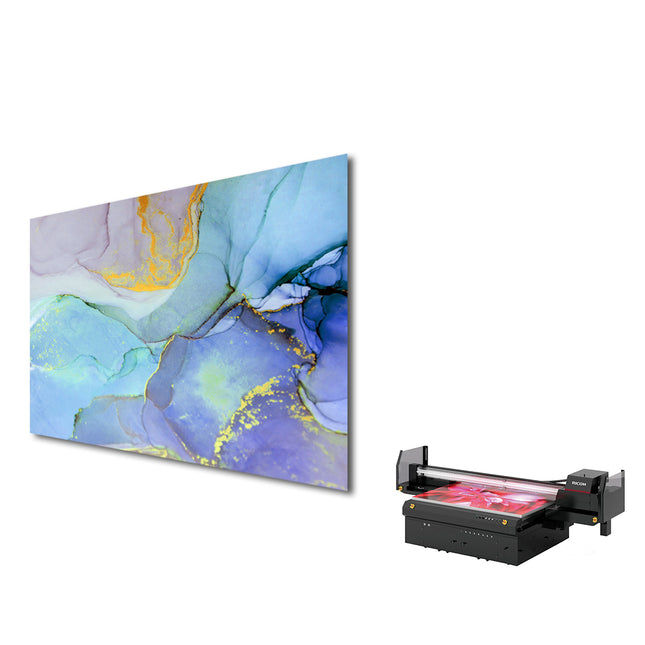
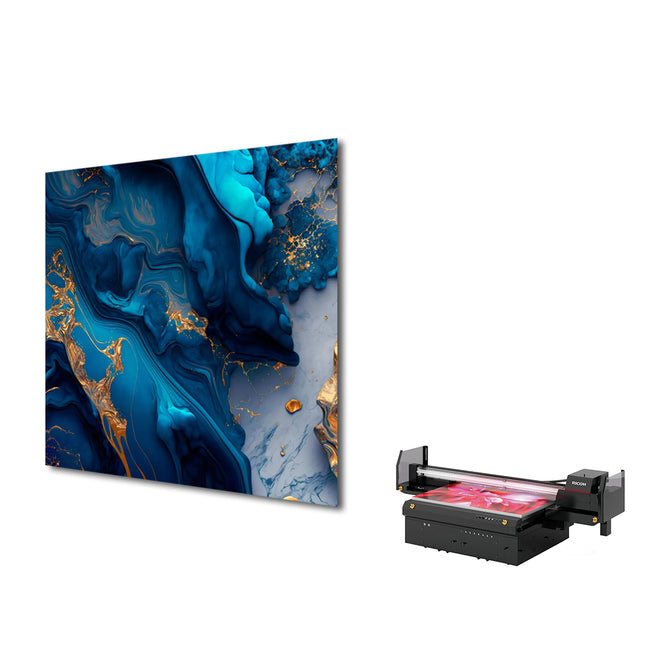
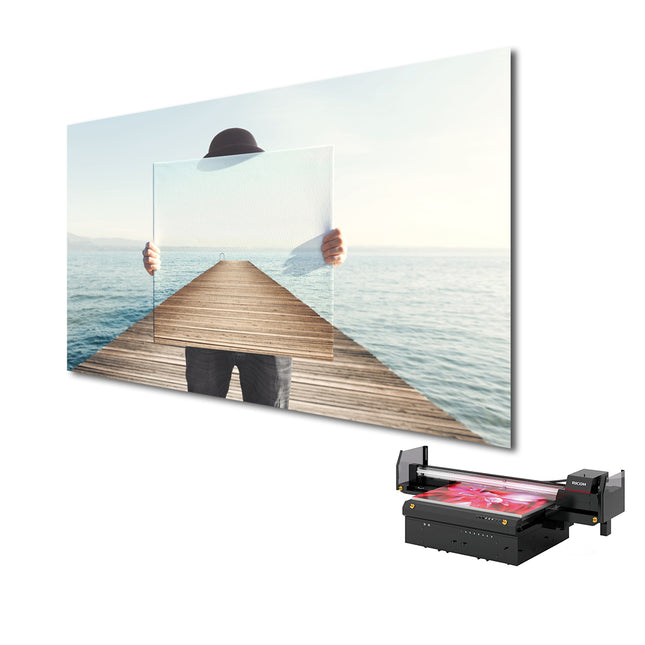
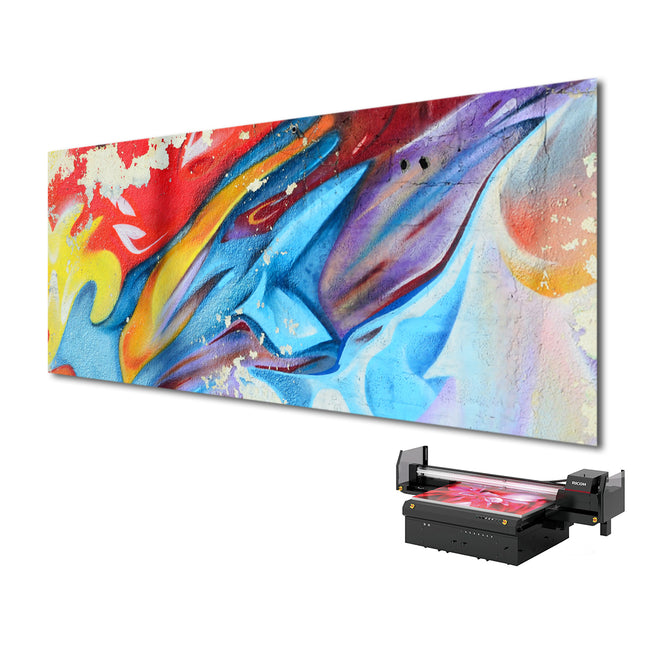
With a photo print panel, the heat source becomes part of the interior. In addition to the image, pay attention to the technical performance. After all, the print does not change the required power or the safe mounting distance.
Hybrid heating panels
Hybrid panels combine infrared radiation with additional heat transfer to the air. This can be interesting when you want both direct heat and a broader room temperature. However, the ratio between radiation and convection varies by model.
How do you calculate the required power?
Start with the heat loss of the room. An accurate calculation takes into account floor area, ceiling height, insulation values, glazing, exterior walls, ventilation, and the desired indoor temperature. Therefore, using only a fixed number of watts per square meter is too crude for primary heating.
For an initial indication, watts per cubic meter are often used. A well-insulated room requires less power than an older room with drafts or a lot of glass. Bathrooms generally have a higher desired temperature. Therefore, have the power checked per room.
Next, distribute the result across logical radiation zones. Two smaller panels can sometimes provide more even comfort than one large panel. Take windows, cabinets, and doors into account. Also, choose a location where the thermostat sensor measures a representative room temperature.
Thermostat, Wi-Fi and zone control
A thermostat prevents the heating from continuing to operate after the desired temperature has been reached. Simple controllers switch on at a single set value. Programmable models use daily and weekly schedules. Smart thermostats can offer control via an app and insight into usage.
Zone control is important for multiple rooms. Each room then gets its own sensor and schedule. This way, you heat a bedroom differently from a bathroom or living room. Always check the maximum switching capacity and compatibility with the panels.
Calculate consumption and costs
The basic calculation is simple. Divide the connected load in watts by 1,000 and multiply this by the number of active hours. A 1,000-watt panel consumes a maximum of 1 kWh during one hour of continuous heating. A thermostat reduces the actual switch-on time once the room has reached the desired temperature.
The final costs depend on the electricity rate, insulation, set temperature, and usage pattern. Solar panels can supply a portion of the electricity, but production and heat demand do not always coincide. Therefore, do not perform a savings calculation without a consumption profile.
Is infrared heating suitable for a well-insulated home?
In a well-insulated home, heat loss is low. As a result, electric heating with a lower total output may suffice. Furthermore, room-by-room control is well-suited to homes where not all rooms are used continuously. A correct heat calculation remains necessary.
In a poorly insulated building, the heat demand can become high. The panels then run longer and electricity consumption increases. First improve drafts, glazing, or the building envelope if cost-effective. Only then compare the heating system.
Safety, IP class and installation
Check the surface temperature and minimum distances. Never cover a hot panel and do not hang clothing over it. Use mounting hardware suitable for concrete, stone, wood, plaster, or a suspended ceiling. The substrate must safely support the full weight.
For damp rooms, the IP rating and bathroom zone are determining factors. Have a fixed connection installed in accordance with the applicable regulations. The professional installation service can assist with placement, connection, and inspection.
Buying infrared panels: practical checklist
- Will the system be primary heating or supplementary heating?
- Is there a heat loss calculation per room?
- Does the capacity match the insulation and desired temperature?
- Does the panel have a clear view of the comfort zone?
- Is wall, ceiling, or freestanding mounting permitted?
- Do the material and weight suit the surface?
- Is the IP rating suitable for the chosen room?
- Which thermostat, receiver, or Wi-Fi controller is needed?
- Are the cable, plug, and mounting hardware included?
- Which warranty and safety instructions apply?
Why choose Warmteshop?
Warmteshop has specialized in electric infrared heating since 2006. Our advisors compare room specifications, power output, installation, and controls. As a result, you receive a proposal that goes beyond just the number of square meters.
If you want a complete solution per room, take a look at the complete heating sets. For ease of operation, you can also panels with a thermostat . For main heating, always request a heat calculation before ordering.
Frequently asked questions about infrared panels
How many infrared panels do I need?
That depends on the total heat loss and the desired distribution. Multiple smaller panels can provide a more even radiation field. Therefore, have the power per room calculated first.
Can infrared panels serve as primary heating?
Yes, provided the total capacity covers the heat demand and the home is suitable for it. View the complete systems. Have the insulation, glazing, and installation assessed in advance.
Are infrared panels healthy?
Long-wave infrared heating for indoor use provides heat without a fan. As a result, there is less forced air circulation than with some convection systems. However, it is not a medical treatment and does not replace ventilation or moisture control.
How quickly does a panel heat up?
That varies by material, construction, and power. Many models emit noticeable heat within a few minutes. The entire room only reaches the set temperature later.
Which thermostat do I need?
Choose a controller that can safely switch electrical power and suits your desired functions. For home automation, for example, you can Shelly solutions . Additionally, view the complete thermostat collection.
Do infrared panels need maintenance?
There is no burner, pump, or moving fan to maintain annually. Turn off the panel and allow it to cool before removing dust. Check mounting, cable, and thermostat according to the manual.