


Infrared heating for the hospitality industry for more comfort indoors and outdoors
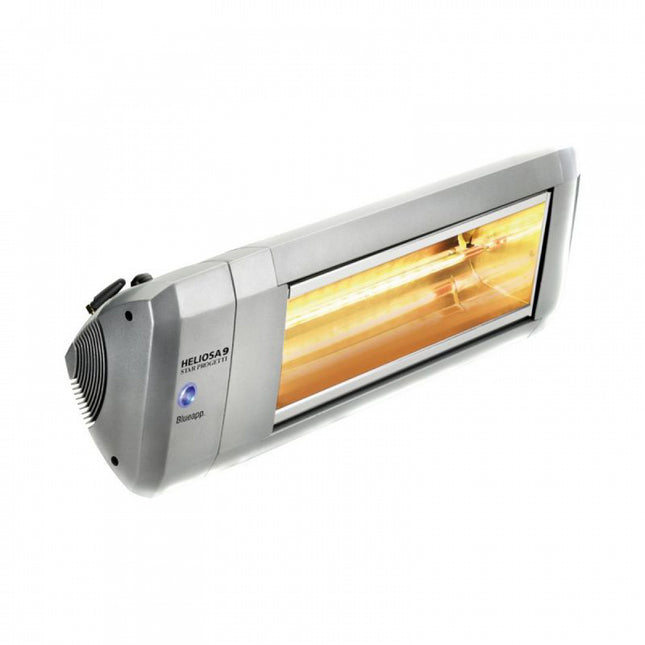
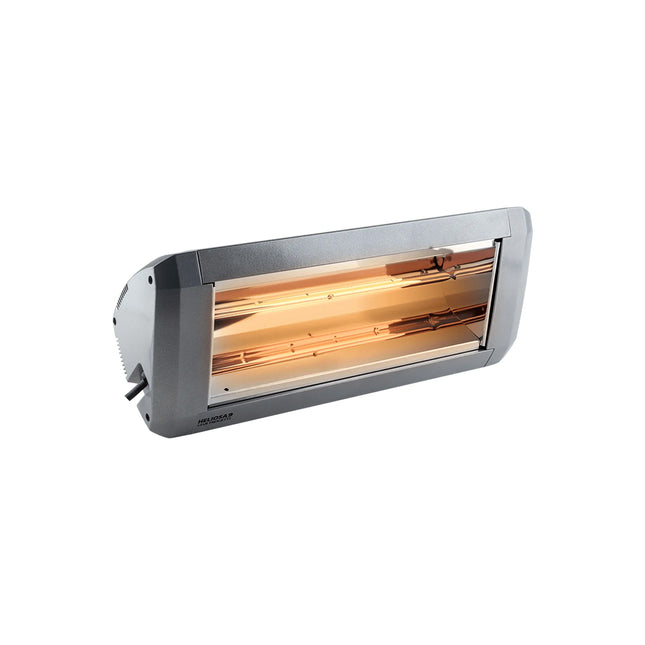
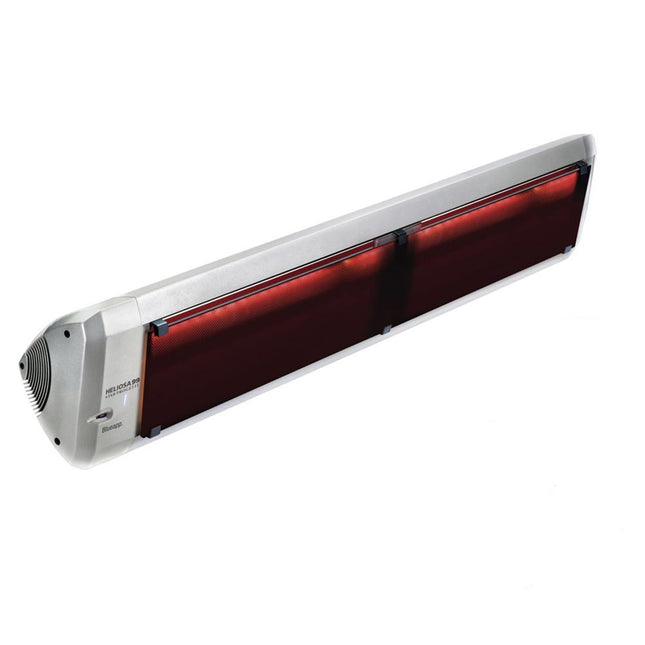
Infrared heating for the hospitality industry helps restaurants, cafes, hotels, and event venues provide targeted comfort to guests and staff. The radiation heats people and surfaces directly. This allows you to heat a terrace, waiting area, or table zone without conditioning the entire volume. Warmteshop advises hospitality businesses in Belgium and the Netherlands on capacity, installation, control, and safety.
A hospitality establishment has fluctuating occupancy and often multiple usage zones. Therefore, a good solution requires more than just high wattage. Take into account wind, ceiling height, glazing, opening hours, noise, service, and local regulations. This guide helps you compare the options.

The approach in brief: first, map out the zones. Next, determine the desired temperature. Additionally, check the wind and ventilation. Furthermore, examine the electrical capacity. Then, choose short-, medium-, or long-wave technology. The mounting height also plays a role. This ensures that infrared heating in the hospitality industry remains comfortable, thereby preventing unnecessary consumption. Finally, test the control system during a busy service.
To get off to a good start, first create a floor plan. Next, mark tables and walking routes. Additionally, note the opening hours. Furthermore, check the groups present. Then select the control zones. Maintenance is also included. This ensures that infrared heating in the hospitality industry remains manageable, allowing staff to make adjustments easily. Finally, evaluate the comfort after the first few weeks.
In short, start by measuring. Next, test a zone. Additionally, ask for feedback from staff and guests. Then, adjust the direction. A schedule can also help. This ensures the heat remains focused. Finally, save the settings.
Why choose infrared heating for the hospitality industry?
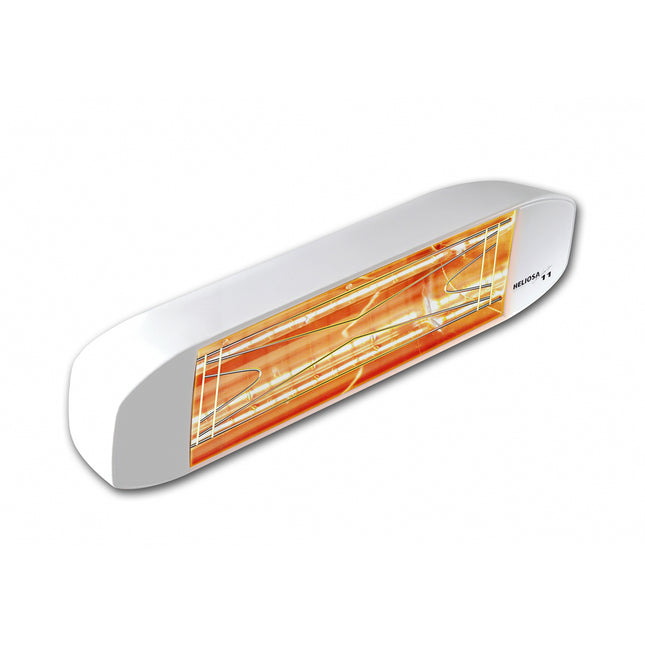
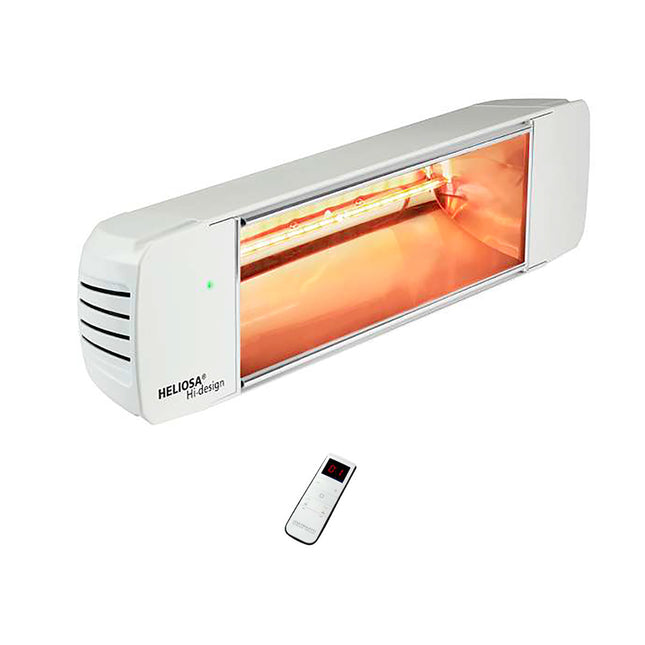
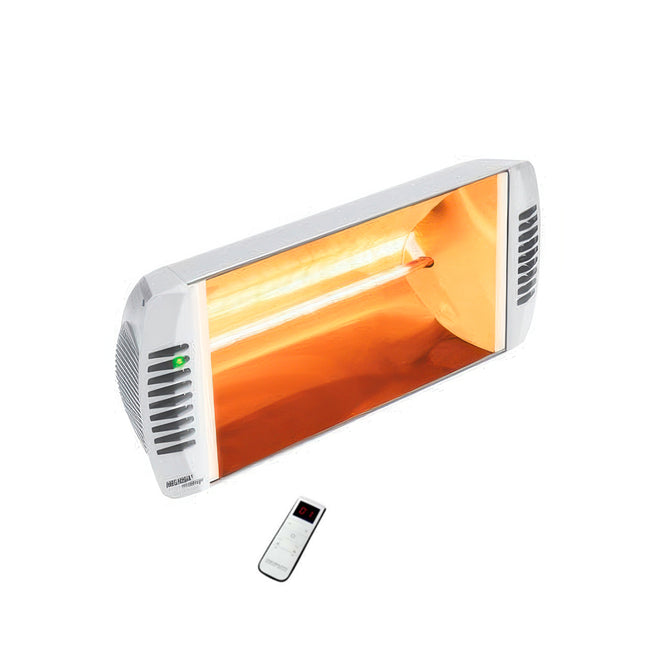
Restaurant and bar guests often sit still and quickly experience drafts. Infrared radiation emits heat directly onto the seating area. This allows a terrace or table zone to become more comfortable without heating the entire outside air. Indoors, the same technology works as targeted zone heating in an entrance, breakfast room, bar, or meeting room.
- targeted heat for occupied zones;
- silent operation with fanless panels;
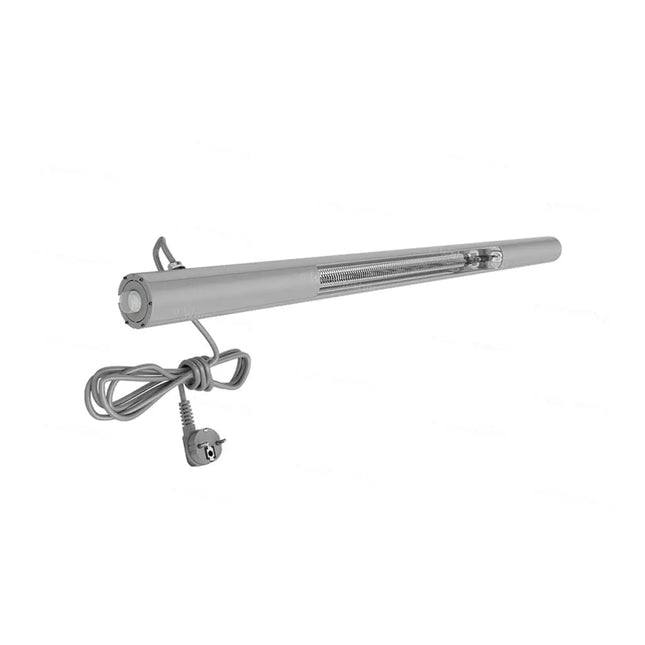
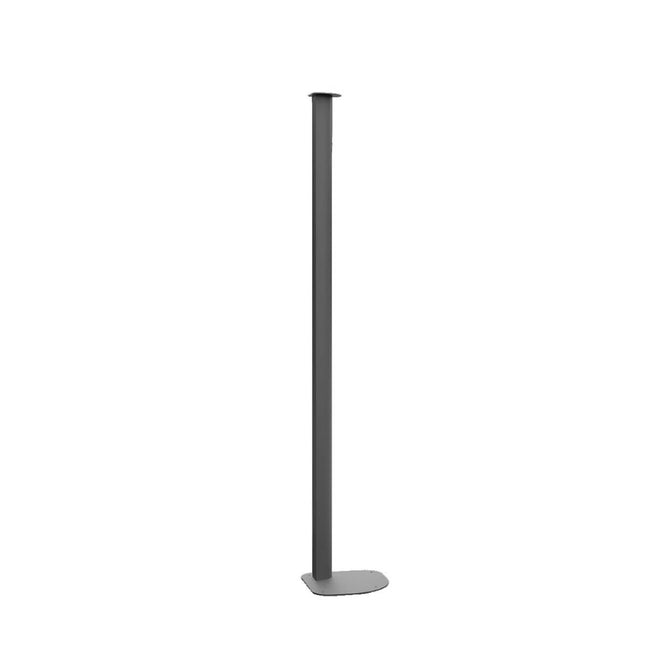
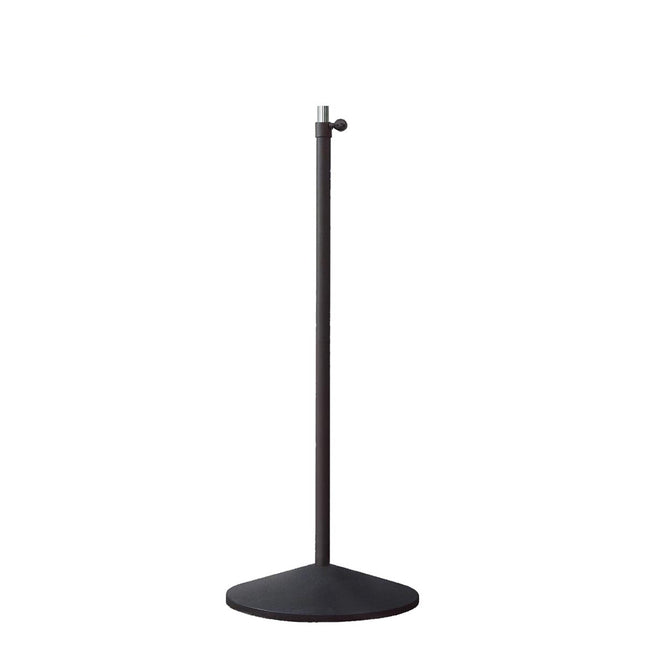
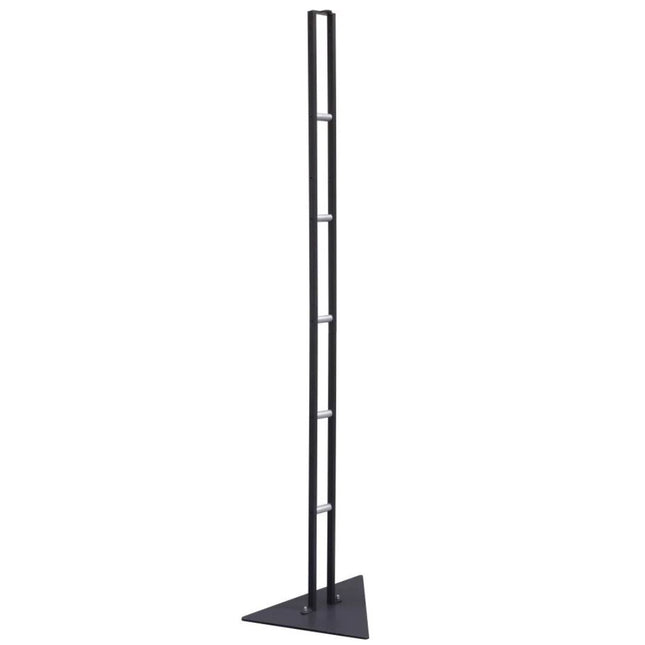
- options for wall, ceiling, and parasol mounting;
- service per table, zone, or schedule;
- no burning at the point of use for electrical appliances;
- integration into a modern interior or terrace concept.
The comfort result depends on the appliance type, distance, wind, and layout. Therefore, have a field test or heating plan drawn up before equipping a large terrace.
Heating terraces with hospitality infrared heating
Outdoors, the choice of radiation wave is important. Short- and medium-wave heaters provide targeted heat that is less dependent on air movement than warm-air units. Long-wave panels are particularly suitable for sheltered locations and covered areas. Position a heater so that the radiation reaches the table and is not blocked by a wall or screen.
Consider separate switches for each terrace section. This way, you only heat occupied tables. Additionally, you can use a lower power setting during a quiet shift. Always check the installation for fire safety, wind load, and the distance to the parasol canopy, wood, and other materials.
Infrared heating for the hospitality industry, for restaurants, bars, and hotels
Indoors, infrared heating can be used as primary or zone heating, depending on insulation and calculated heat demand. A ceiling panel above a table group keeps walls and walkways clear. A wall panel can accentuate an entrance or waiting area. Combine comfort heating with mandatory ventilation and any source extraction; infrared does not replace fresh air.
In a kitchen or dishwashing area, you must take moisture, grease, and cleaning into account. Choose only a model suitable for the environment and plan the service zone out of the risk of splashing or impact.
Power and zone configuration for infrared heating in the hospitality industry
The required capacity depends on surface area, ceiling height, insulation, glass, doors, occupancy, and desired temperature. Outdoors, wind and shading play a major role. An installer translates these factors into the number of heaters, the distance, and the radiation range.
- create a floor plan with tables, walking routes, and heat sources;
- note interior and exterior parts separately;
- determine which zones are occupied simultaneously;
- check electrical circuits and connection points;
- Provide a system that can switch per zone.
An appliance that is too small provides insufficient comfort. An appliance that is too large increases purchase and operating costs. Therefore, a calculation and a test setup are valuable.
Operation of infrared heating in the hospitality industry during service
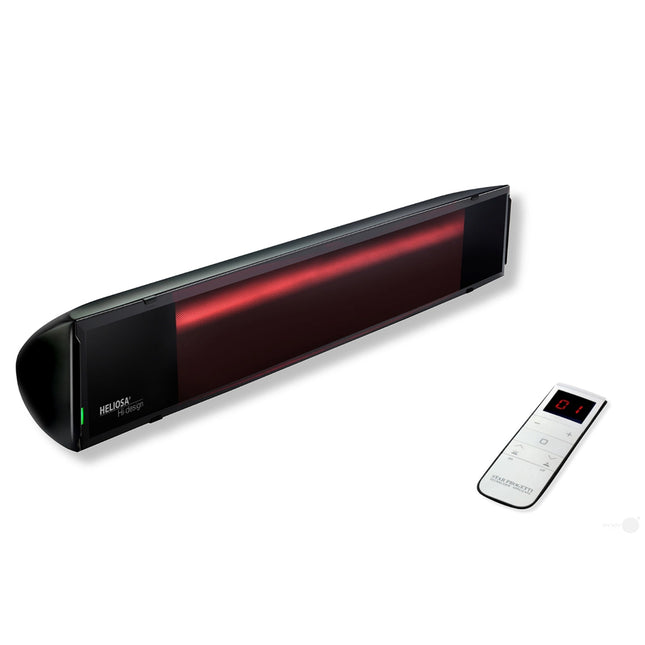
A hospitality employee must understand the control system quickly. Choose a simple switch for a small terrace or central zone control for multiple areas. With a time schedule, the heating starts before opening and switches off after closing. Motion or presence detection can help in quiet zones, but test the response speed and reliability.
For larger locations, you can connect the system to building management. Set clear maximum temperatures and shutdown times. This ensures operation remains practical and controllable.
Safety and regulations for infrared heating in the hospitality industry
Have electrical connections and fixed installation carried out by a qualified installer. Adhere to the distances specified in the manual and shield hot surfaces from guests and staff. Check cables, plugs, fixings, and emergency shutdowns regularly.
For terraces, municipal regulations may apply regarding facades, awnings, noise, fire safety, and energy consumption. In Belgium and the Netherlands, requirements vary by municipality and building type. Therefore, inquire in good time about which notifications, inspections, or permits are required.
Controlling the energy and costs of infrared heating for the hospitality industry
An electric heater only consumes power when it is switched on. The cost depends on wattage, operating time, electricity rate, and the number of active zones. Do not heat empty tables and combine the installation with windbreaks, closed doors, and good insulation. Record usage hours and evaluate seasonally whether the settings are still suitable.
A business calculation considers not only energy but also installation, maintenance, lifespan, and potential additional revenue from a longer terrace season. Do not establish a fixed payback period without knowing your own occupancy and rates.
Maintenance and operational reliability
Dust, grease, and dirt reduce performance and can pose a safety risk to patio heaters. Clean according to the manufacturer's instructions and schedule an inspection before the season. Additionally, check the mounting after storms or renovations. Keep spare parts and a breakdown procedure available when comfort directly impacts service.
Why Warmteshop for hospitality projects?
Warmteshop helps hospitality businesses in Belgium and the Netherlands with a plan tailored to each room, table zone, and usage occasion. You can experience various solutions in our showrooms . You can find independent reviews and company information via Trustprofile.
Also compare business applications
For a workshop or warehouse, view infrared heating for the workshop. Do you want to control zones remotely? Then view infrared panels with Wi-Fi. For insight into consumption and investment, read more about infrared heating costs. You can complement a warm atmosphere in the lobby or lounge with a decorative fireplace.
Frequently asked questions about infrared heating for the hospitality industry
Can infrared heating heat an entire terrace?
A terrace is usually heated in zones. The number of heaters and the arrangement depend on wind, shading, tables, and the desired comfort zone.
Is infrared heating suitable for a restaurant?
Yes, if the system is calculated correctly and combined with ventilation and appropriate control. Choose materials that suit the cleaning and the environment.
Can I operate a patio heater with a timer?
This is possible with suitable models and systems. Have an installer correctly configure the timer, circuits, and emergency shutdown.
How do I prevent overheating?
Work with zoning, schedules, and a thermostat. Maintain clearance distances and have the installation checked periodically.
Choosing a suitable hospitality solution
Start with your terrace plan, occupancy, and opening hours. Next, choose the type of radiation, power, and installation. Finally, tailor the operation and maintenance to your daily service. In this way, infrared heating provides hospitality-oriented comfort for guests and staff, with control over usage and costs.